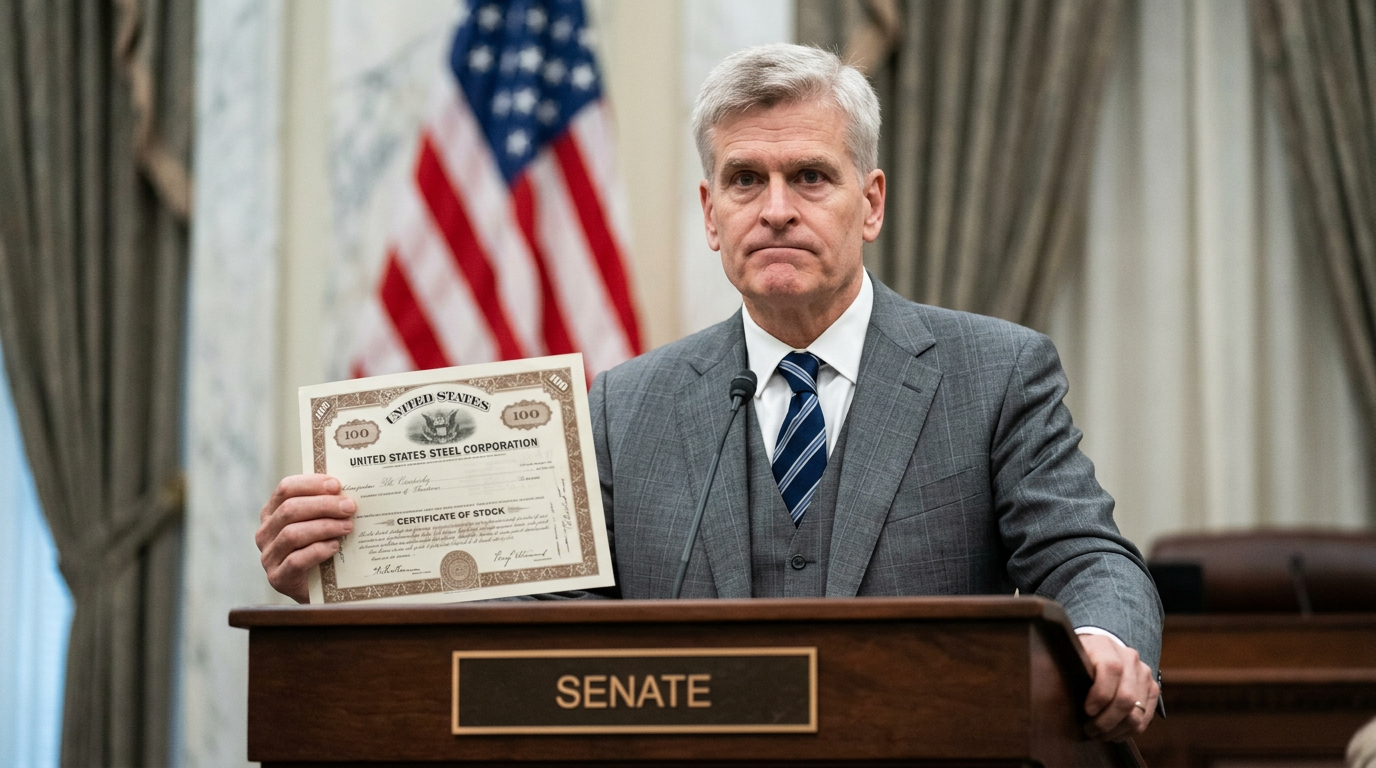
Sen. Bill Cassidy (R-La.) is going down swinging. The Louisiana Republican, who lost his state's GOP primary last month, is making a final push for a $1.5 trillion Social Security reform proposal as the retirement trust fund barrels toward a projected depletion date of 2032.
In a CNBC interview published Tuesday, Cassidy outlined a plan that would create a separate investment fund to buy equities, aiming to cover Social Security's long-term liabilities without the usual political bloodbath of raising taxes or cutting benefits.
Cassidy also took to X late Tuesday to hammer home the urgency. "The longer Congress does nothing, the larger the tax increase workers will face and the deeper the benefit reductions retirees will endure," he wrote. "I have a plan to save Social Security. Congress cannot wait any longer. Let's get it done."
The Clock Is Ticking
Social Security's latest trustees report shows the Old-Age and Survivors Insurance trust fund can pay full scheduled benefits only until the fourth quarter of 2032—one quarter earlier than last year's estimate. After that, the fund would cover just 78% of scheduled benefits.
That translates to potential benefit cuts of roughly 22% to 24%, or about $500 a month for the average beneficiary. With more than 71 million Americans relying on Social Security, the stakes are enormous.
Earlier this month, Sen. Elizabeth Warren (D-Mass.) warned that raising the retirement age by two years—a common conservative proposal—could effectively slash benefits by 17% to 35%, hitting lower-income workers and those in physically demanding jobs hardest.
Cassidy's Big Idea: Let the Market Help
Cassidy's proposal tries to sidestep the usual tax-vs-benefits debate. Instead, it calls for investing $1.5 trillion in a separate fund over five years. That money would go into equities and, Cassidy says, could grow over 65 to 70 years to cover about 60% to 65% of Social Security's unfunded liabilities.
The model? The National Railroad Retirement Investment Fund, created in 2001 to let railroad pension assets invest in private securities. Cassidy argues that all market risk would be borne by the fund, not beneficiaries, who would still receive their promised benefits.
Cassidy's office did not immediately respond to a request for comment.
Political Reality Check
The proposal faces steep political and economic hurdles. Cassidy himself is a lame duck: he lost Louisiana's GOP primary last month to candidates backed by Donald Trump, after years of tension stemming from Cassidy's vote to convict Trump following the Jan. 6 Capitol attack.
Still, Cassidy says he plans to keep pushing the proposal through hearings and legislation before leaving office in January 2027. If it doesn't pass this Congress, he hopes lawmakers in the next Congress will carry the torch.
Whether that torch will be picked up—or whether Cassidy's equity-investment idea can overcome skepticism about market risk and political will—remains to be seen. But with the trust fund running out of time, the conversation isn't going away.