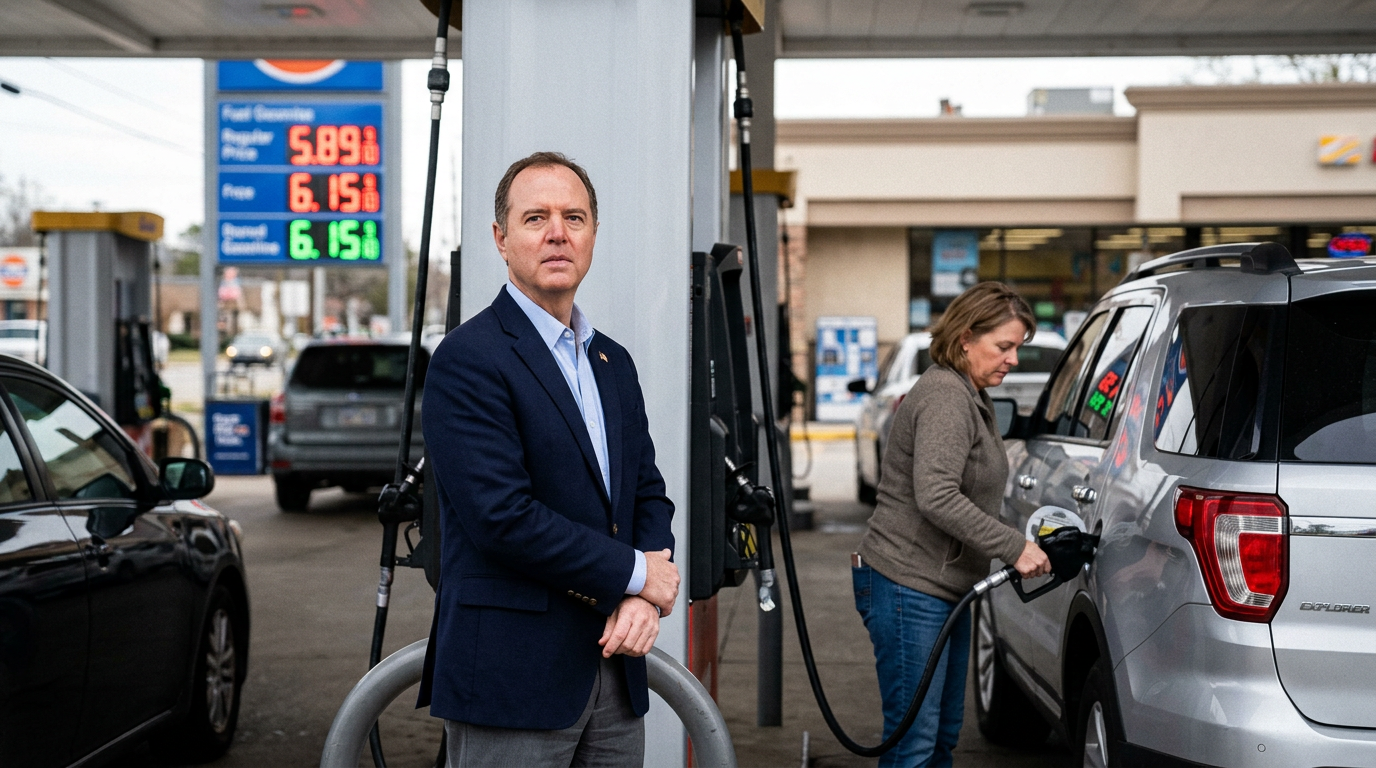
Sen. Adam Schiff (D-Calif.) is making the case that the ongoing conflict with Iran is hitting Americans right in the wallet. In a post on X Saturday, alongside a clip of a speech, Schiff wrote that since the war started, costs at home have only climbed higher. He accused President Donald Trump of doing little to ease the pressure, instead offering Iran a $300 billion reconstruction fund. "This is hardly what people were expecting from a president promising America first," Schiff added.
In the clip, Schiff laid out the numbers: Americans have paid "$60 billion more for gas" during the conflict. But it's not just at the pump. "High gas prices are just one of the costs… the price of Americans' grocery bills has been much higher. The cost of fertilizer for farmers is much higher. The price of the energy bill is higher… everything is going up, up, up," he said. He tied the economic strain to broader consequences, including rising living costs and U.S. military casualties, framing it all as a failure to deliver on promises to reduce household expenses.
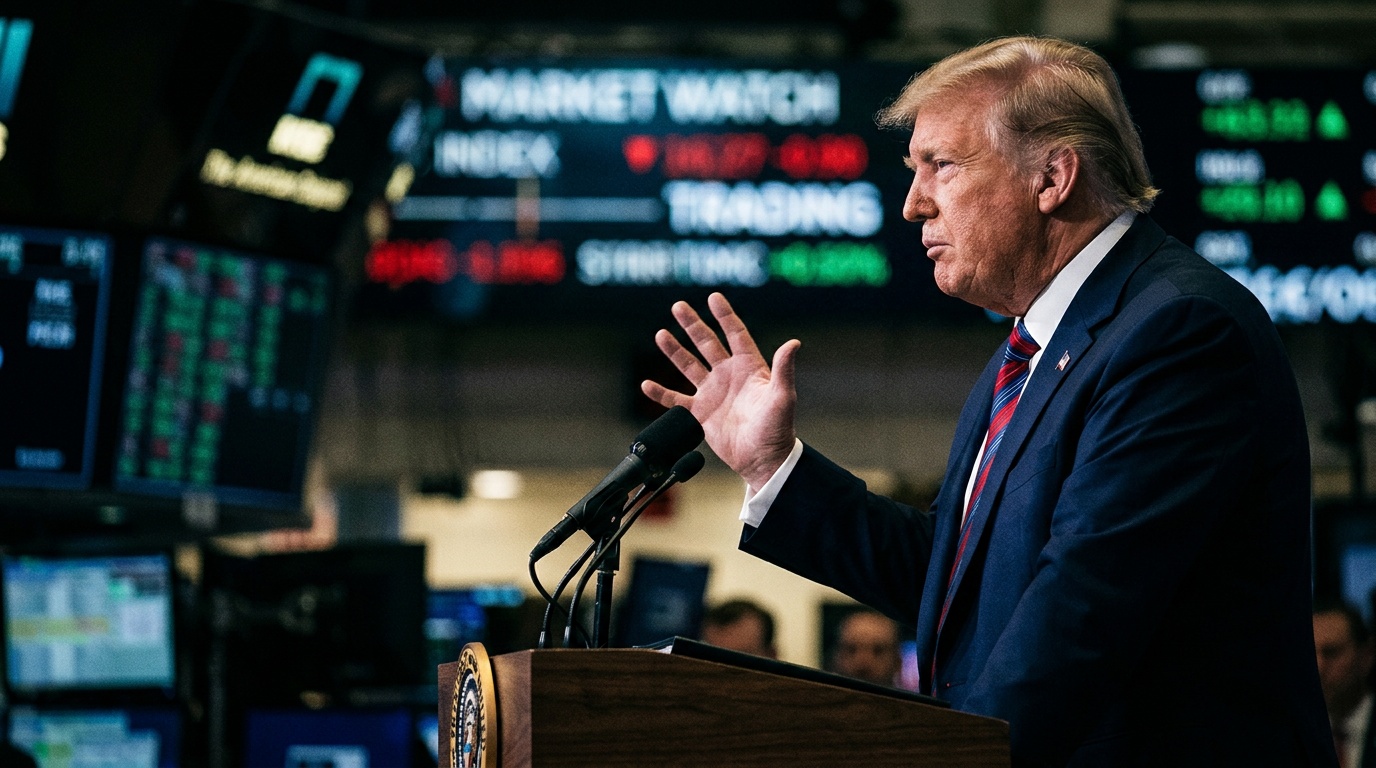
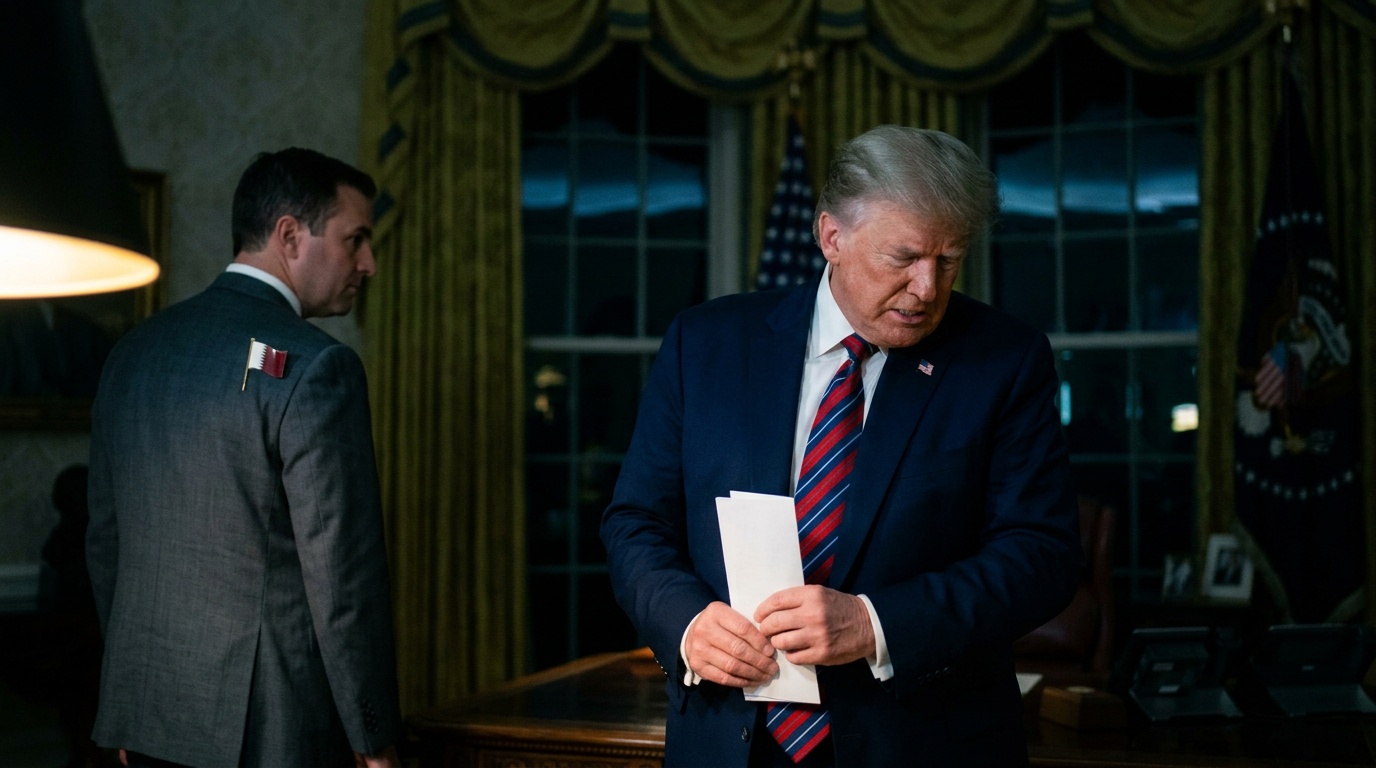
Trump, meanwhile, has warned that the U.S. could resume military strikes if Iran violates a newly signed interim agreement. He expressed hope the deal would bring peace and lower oil prices. But not everyone is convinced. Investor Ross Gerber said the war highlights an opportunity to accelerate the global shift toward alternative energy and reduce reliance on oil. He argued that even a small cut in oil consumption could weaken strategic chokepoints like the Strait of Hormuz, adding that cleaner energy is cheaper and being adopted too slowly.
Schiff isn't alone in his criticism. Sen. Elizabeth Warren (D-Mass.) said the war is driving up fuel prices, costing Americans hundreds of millions of dollars daily, while accusing oil companies of profiting from the conflict. Former House Speaker Nancy Pelosi argued that withdrawing from the Iran nuclear deal worsened tensions and increased both fuel prices and taxpayer burdens.
The message from Democrats is clear: the Iran war is costing Americans real money, and they want to know what the administration plans to do about it.