House Minority Leader Hakeem Jeffries (D-NY) didn't hold back on Sunday, blaming President Donald Trump for the current conflict with Iran and the pain at the pump. His argument? It all started when Trump scrapped the nuclear deal negotiated under former President Barack Obama.
In a post on X, Jeffries shared a clip from an NBC News interview and wrote: "President Obama built a global coalition that constrained Iran's nuclear ambitions." He accused Trump of suffering from "Obama Derangement Syndrome," noting that the original deal had brought countries like Japan, Great Britain, China, and Russia together to "limit their nuclear ambition."
"Donald Trump recklessly ripped that agreement up and took us to war," Jeffries said, calling it a "war of choice." The consequences, he argued, are clear: "Gas prices are through the roof," Iran is "stronger," and Americans are "less safe."
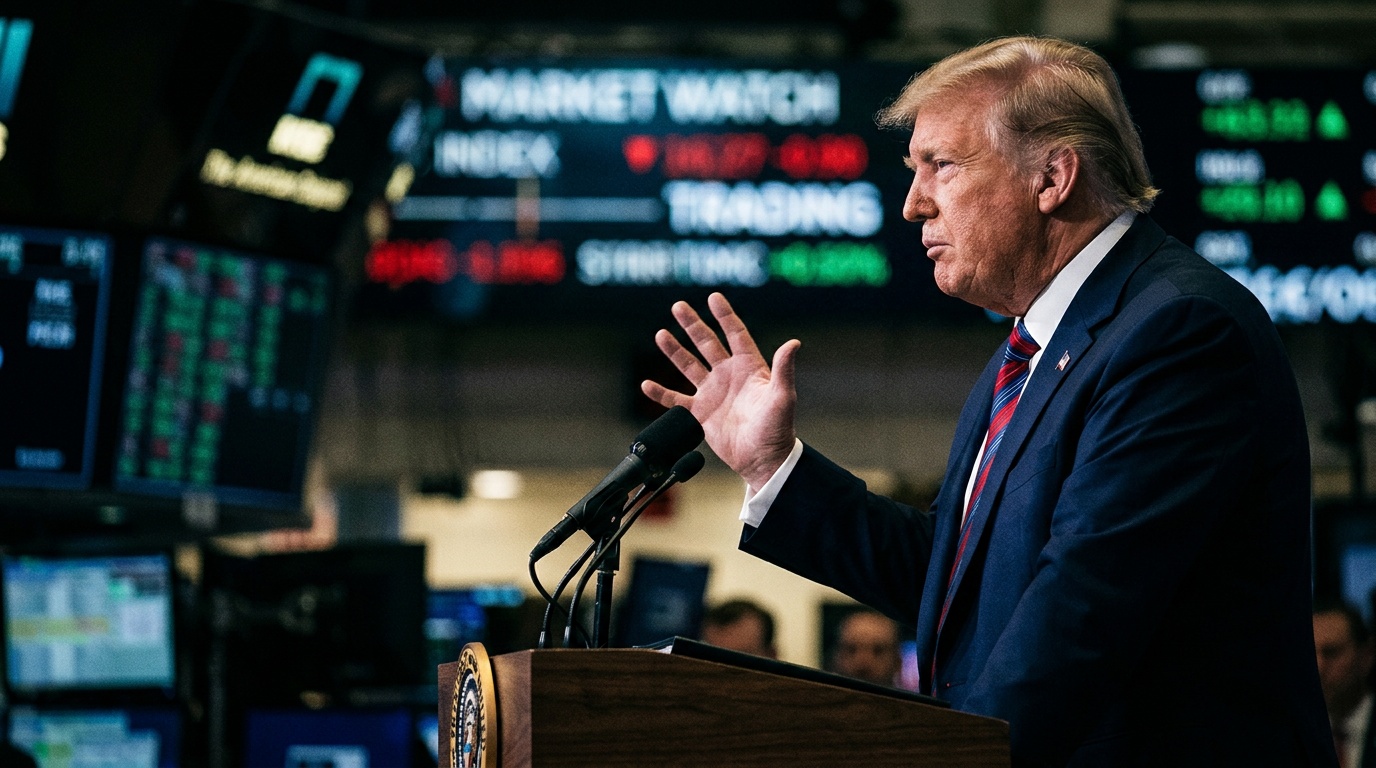
Jeffries' comments come at a pivotal moment. Over the weekend, Trump announced that the U.S. and Iran had reached an agreement to end the war and reopen the Strait of Hormuz — a critical chokepoint for global oil shipments, handling more than a fifth of the world's supply. "Ships of the World, start your engines. Let the oil flow!" Trump wrote on Truth Social.
But not everyone is ready to celebrate. GasBuddy analyst Patrick De Haan warned that the situation could unravel with a "single misstep." Still, he predicted that U.S. gas prices could dip below $3.75 per gallon by the Fourth of July if the truce holds.
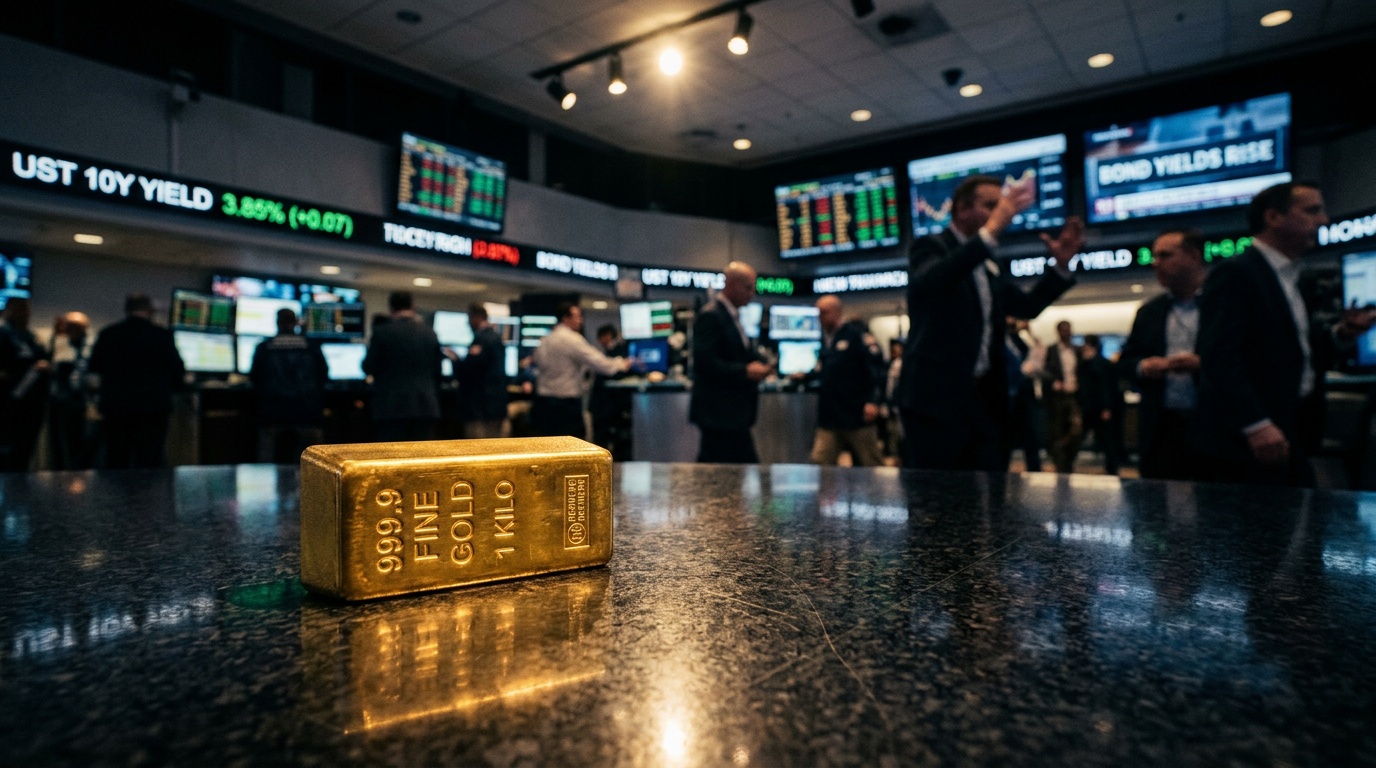
Markets are already reacting. On Monday, the national average gas price fell to $4.065 per gallon, according to AAA. In California, drivers are still paying $5.741 per gallon on average. Oil prices also dropped sharply: West Texas Intermediate crude fell 5.61% to $80.12 per barrel, while Brent crude slid 5.23% to $82.76 per barrel.
Whether the new deal sticks — or whether it's just another chapter in a long, costly saga — remains to be seen. But for now, Jeffries and the administration are locked in a battle over who's to blame for the war and its economic fallout.