Sen. Bernie Sanders (I-VT) doesn't like the idea of one person controlling both CBS and CNN. And on Saturday, he made it clear that the proposed merger between Paramount Skydance Corp. (PSKY) and Warner Bros. Discovery Inc. (WBD) is, in his words, “not acceptable.”
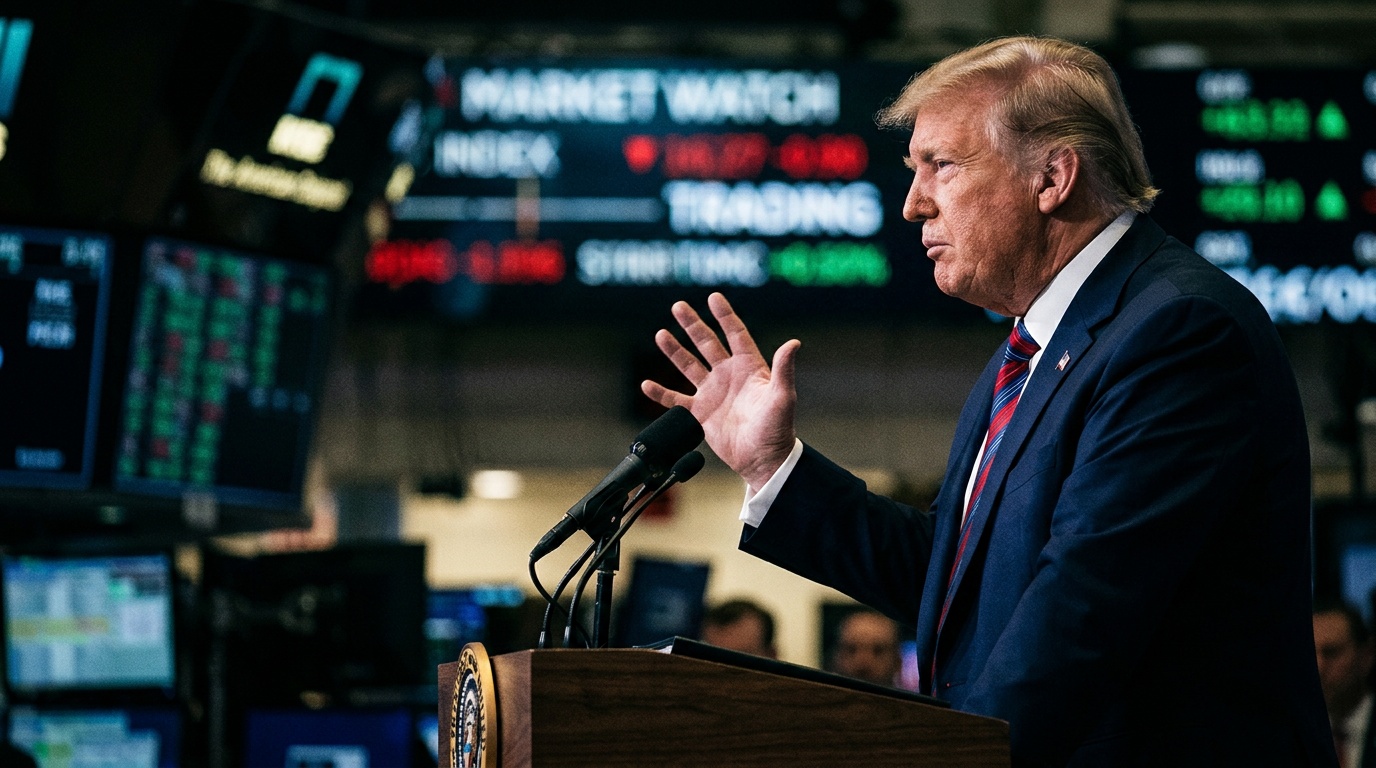
The merger would put David Ellison—a close ally of President Donald Trump—in a position to direct two of the most influential news networks in the country. Sanders, never one to mince words, framed the deal as part of a broader trend: wealthy interests extending their reach from business and politics into news distribution.
“Not content to controlling our economy and our political system, the Oligarchs are now consolidating control over the media,” Sanders wrote on social media. “Trump's ally David Ellison is poised to control both CBS and CNN. Not acceptable. This merger must be opposed.”
Sanders isn't alone in his concerns. Sen. Elizabeth Warren (D-Mass.) has also been sounding the alarm on media consolidation, though her focus has been on a different angle: foreign money. Warren has warned that sovereign wealth funds tied to Saudi Arabia, Qatar, and Abu Dhabi could end up with a near-majority stake in a major U.S. media company, giving them access to personal data and leverage over coverage.
The shared thread in both lawmakers' warnings is trust. Who controls major networks shapes what audiences see and how confidently they can rely on it. Warren's objections to a separate proposed combination centered on the idea that ownership structure can translate into influence over coverage. She argued that the arrangement could create both access to personal data and pressure points over American media, and she urged regulators to block that merger.
Sanders' message zeroed in on domestic consolidation and the political connections he attributes to Ellison. Warren's critique adds a second axis: even when the corporate logic is framed as scale, the financing and shareholding mix can raise security and privacy alarms.
So, can regulators stop this? The Paramount Skydance and Warner Bros. Discovery merger has drawn scrutiny over its potential knock-on effects. Discussions about approval have been continuing, with the Department of Justice's staff attorneys described as receptive to Paramount's argument that the transaction would not harm rival studios or creative talent. That regulatory posture matters for Sanders' call, because both debates turn on whether government agencies treat media concentration as a special case or as another corporate combination. Sanders is asking for an outright political effort to stop a deal he says would concentrate editorial power across major brands.
Warren has also linked consolidation to what viewers can watch. In May 2026, she warned that series such as “Severance” could vanish if one studio gains too much control in Hollywood. Her point was that fewer decision-makers can mean fewer greenlights for riskier projects. She previously criticized the Trump administration's role in approving an $8 billion merger of Paramount Global and Skydance in September 2025, and called for an investigation into what she suggested might have involved a “big fat bribe.” That earlier episode is part of why she has kept pressing on how media deals get approved and who benefits.
Warren's latest warning put user data at the center of the merger debate, arguing that ownership can translate into access to sensitive information about Americans. She also described the same structure as a pathway to influence, saying it could hand outsiders leverage over U.S. media.
For now, the merger's fate rests on a combination of antitrust review and political pressure. Sanders and Warren are making it clear that they see this as more than just a business deal—it's a test of whether policymakers will resist concentrated power in mass media. Whether the DOJ or Congress steps in remains to be seen, but the debate is far from over.