It's been a wild week for anyone following the U.S.-Iran peace talks. On Friday, Pakistani Prime Minister Shehbaz Sharif dropped a bombshell: a "final, agreed upon text" of a peace deal has been reached. Pakistan has been acting as a mediator, and Sharif warned of an "incessant misinformation campaign" by those trying to sabotage the agreement. He didn't name names, but the message was clear: don't believe everything you hear.
So what's actually in this deal? According to a senior Trump administration official who spoke to CNBC, the memorandum of understanding would require Iran to dismantle its nuclear program, submit to an inspection regime, and end its funding of regional proxies. In return, Iran would get significant economic relief, the easing of long-term sanctions, and access to previously frozen assets. But—and this is a big but—"those benefits only accrue if they actually deliver," the official said. The official put the odds of a signature at 80-85% within days, up from 75% earlier Friday, but cautioned that Iran's system is "very complicated" with internal fractures. They haven't even decided where the deal would be signed yet.
The deal also aims to reopen the Strait of Hormuz, a critical chokepoint for global oil shipments, and "guarantees a long-term peace in the region." That's a big promise, but if it holds, it could reshape energy markets and reduce geopolitical risk premiums.
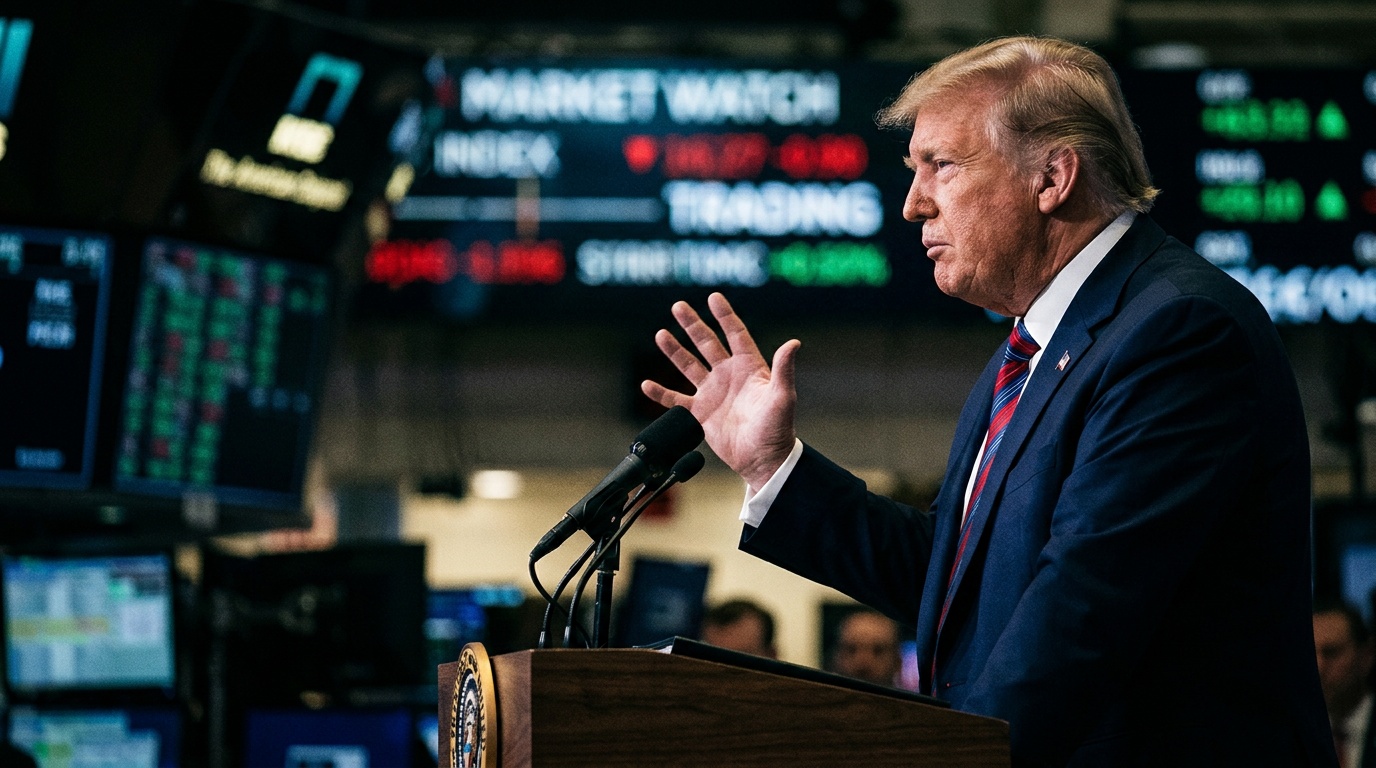
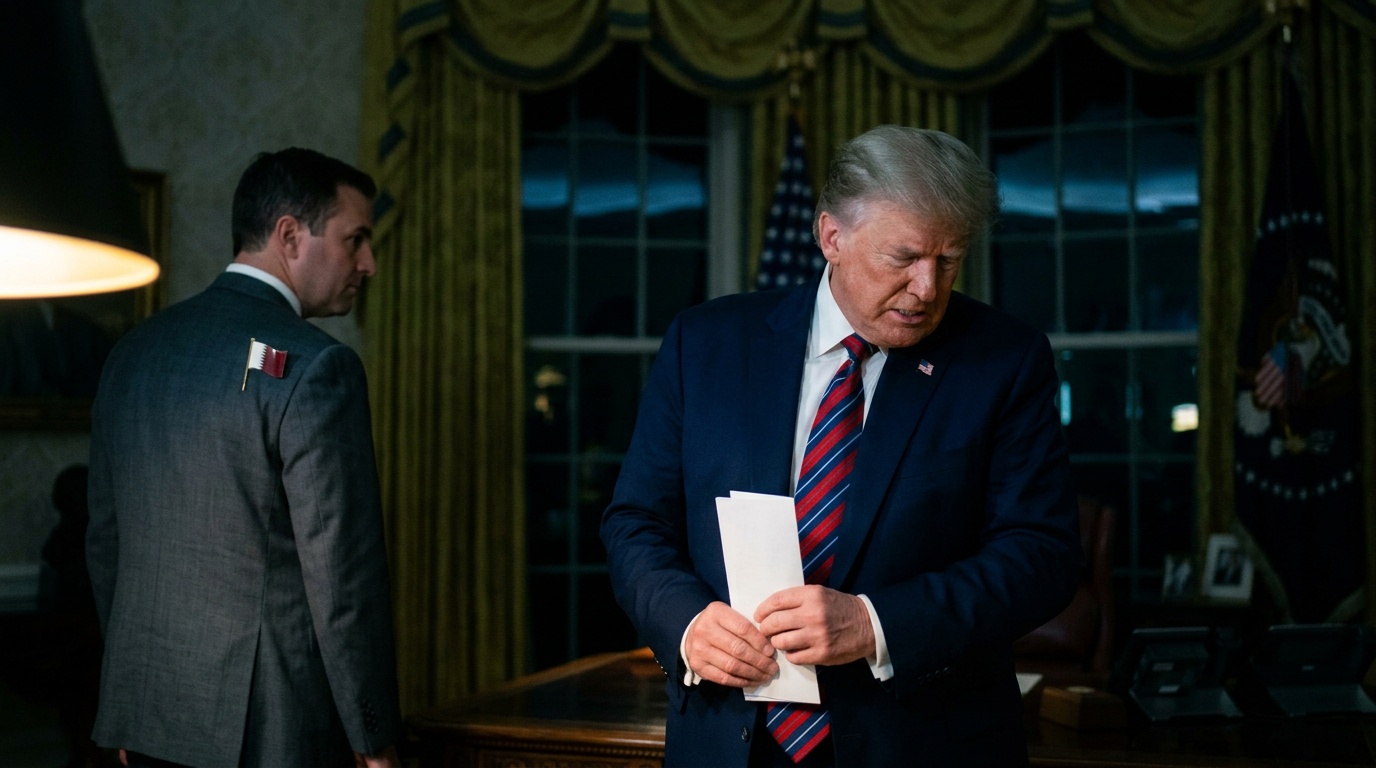
Momentum had been building all week. On Thursday, President Donald Trump posted on Truth Social that he had canceled planned strikes against Iran after negotiations were approved by the country's highest leadership. He called it a framework backed by several regional allies and, from the Oval Office, described it as a "great settlement of the war with Iran," subject to "finalization of documents." Iranian Foreign Minister Abbas Araghchi echoed the optimism on X, writing that a deal "has never been closer."
But then came the leaks. Iran's Mehr News Agency reported 14 purported provisions in the draft deal, including U.S. commitments to lift oil sanctions, end its naval blockade, and release frozen funds. Trump fired back on Truth Social, calling the leaked terms "NOTHING to do with the terms that were agreed to, in writing," and described Iran as "very dishonorable people to deal with." Vice President JD Vance also weighed in, directly addressing what he called "fake information." In a post on X, Vance wrote: "the Iranians are not receiving any cash, and no funds are being released for simply signing a deal or attending a meeting." He emphasized that economic benefits would only flow if Tehran meets its obligations.
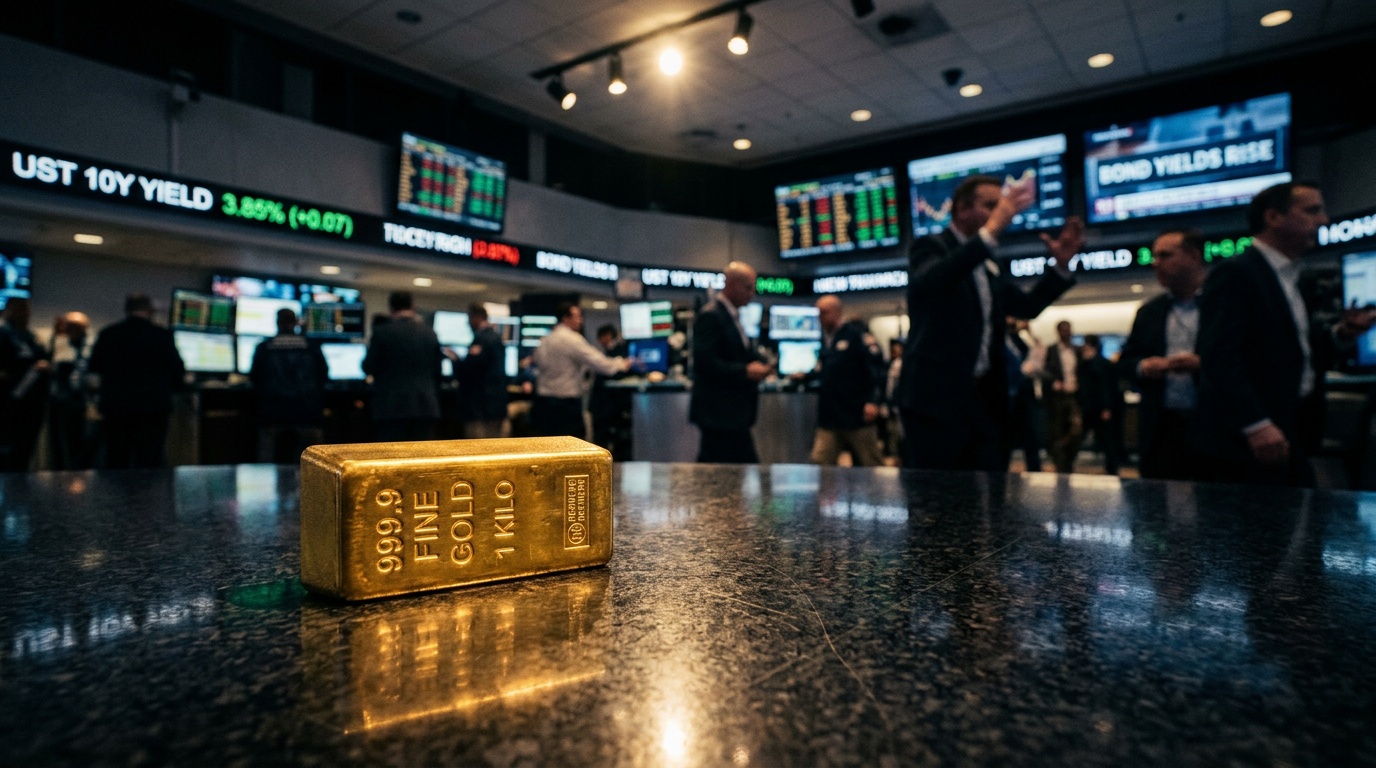
So where does that leave us? The deal is closer than ever, but the noise is deafening. For investors, the key takeaway is that any agreement will be conditional and phased—no upfront cash, no immediate relief without verified compliance. If the deal goes through, expect volatility in oil prices and defense stocks as markets digest the implications. If it falls apart? Well, we've been here before.