Oil Surges, Tech Tumbles as Iran Strikes and Hot Inflation Rattle Markets
MarketDash
Crude jumps 3% on renewed U.S.-Iran strikes in the Gulf, while a 4.2% CPI print and tech selloff drag Wall Street lower. Gold slides, airlines get crushed, and Super Micro plunges 18% on dilution fears.
Get Alcoa Alerts
Weekly insights + SMS alerts
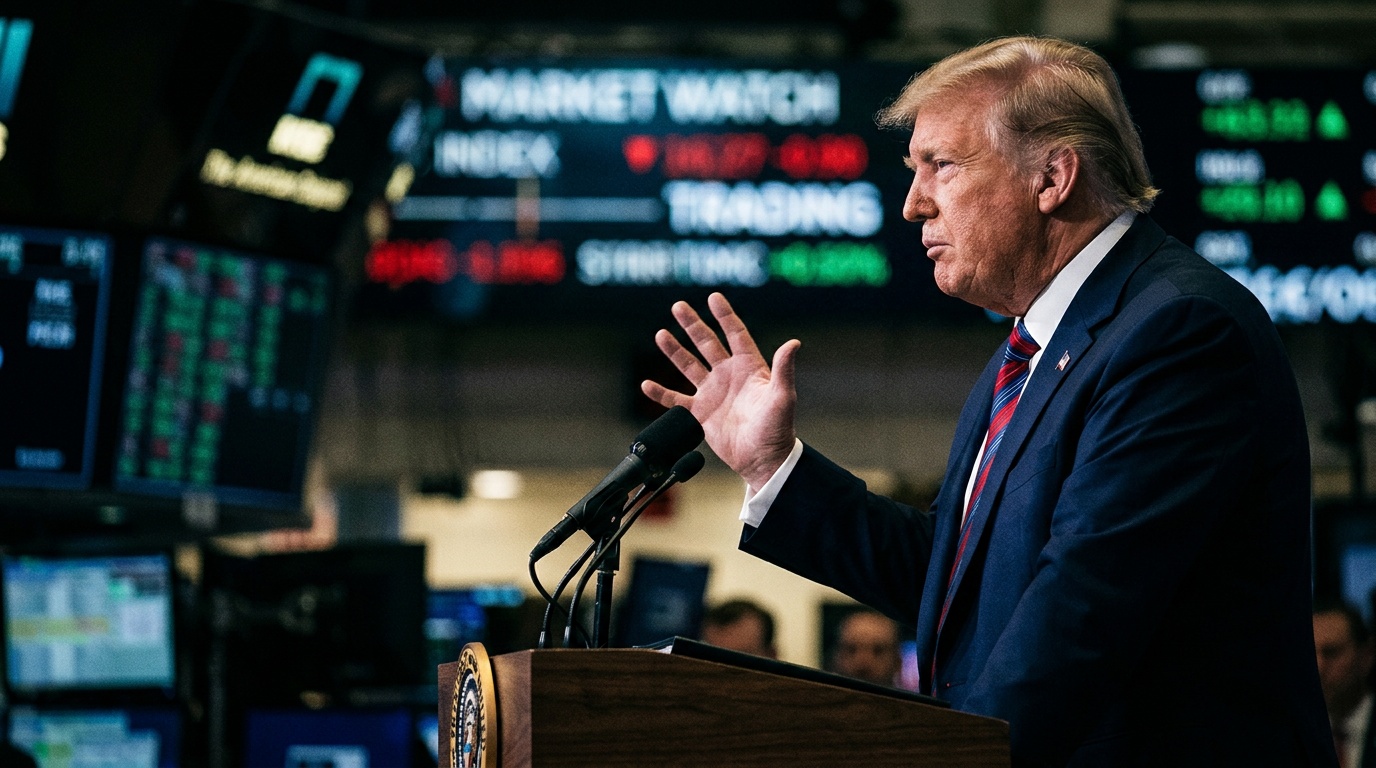
Oil prices jumped and U.S. stocks fell on Wednesday as renewed U.S.-Iran strikes in the Strait of Hormuz reignited supply concerns, sparking a broader selloff in high-valuation technology shares. The move came after President Donald Trump threatened additional strikes against Iran.
West Texas Intermediate crude climbed 3.3% to around $91.07 a barrel, while Brent rose 2.9% to roughly $94.10.
On Wall Street, losses were broad-based but concentrated in technology, as concerns over elevated AI-related valuations resurfaced.
The S&P 500 fell 0.9% to 7,319.63, while the Dow Jones Industrial Average dropped about 592 points, or 1.2%, to 50,280.
The Nasdaq 100 was the day’s laggard, sliding 1.4% to 28,670. The small-cap Russell 2000 proved more resilient, slipping just 0.3% to 2,858.65.
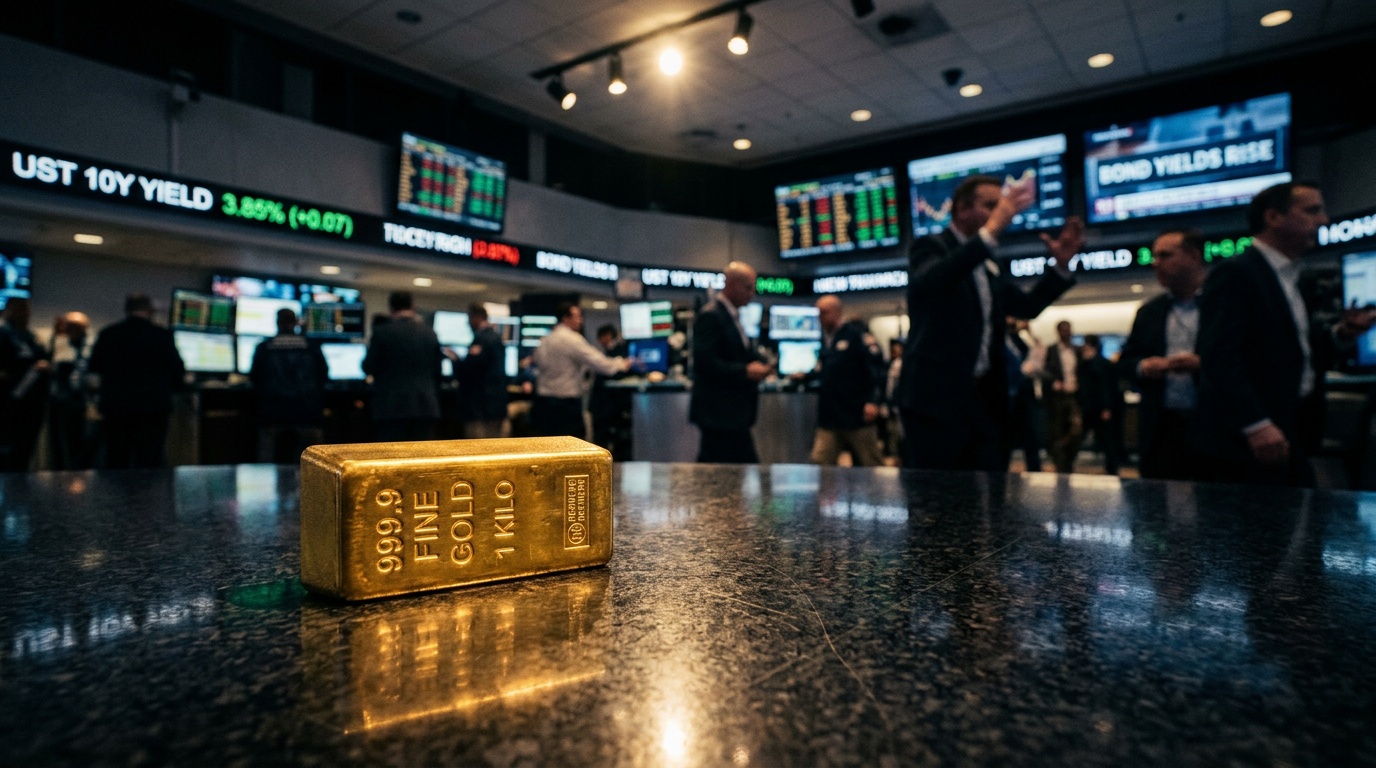
Gold extended its sharp pullback, falling 3.1% to around $4,128 an ounce and leaving the metal down nearly 13% so far this month.
In macro news, the annual inflation rate climbed from 3.8% to 4.2% year over year in May, matching expectations and reaching the highest level since April 2023.
Money markets now fully price in a 25-basis-point Fed rate hike by year’s end.
Wednesday’s Performance In Major US Indices
Index
Last
% Change
S&P 500
7,319.63
-0.9%
Dow Jones
50,280
-1.2%
Nasdaq 100
28,670
-1.4%
Russell 2000
2,858.65
-0.3%
Updated by 12:15 PM ET
According to market data:
The Vanguard S&P 500 ETF (VOO) fell 0.9%.
The SPDR Dow Jones Industrial Average ETF Trust (DIA) slid 1.2%.
The Invesco QQQ Trust (QQQ) dropped 1.4%.
The iShares Russell 2000 ETF (IWM) eased 0.3%.
Oil & Gas Stocks Power Up As Airlines Get Crushed
The Energy Select Sector SPDR Fund (XLE) led all 11 S&P sectors, up 2.6%, as crude’s surge lifted producers and Middle East supply risk returned to the fore. The SPDR S&P Oil & Gas Exploration & Production ETF (XOP) topped the industry tables with a 3.7% gain.
The selling was led by the Industrials Select Sector SPDR Fund (XLI), down 2.5%, followed by the Consumer Discretionary Select Sector SPDR Fund (XLY), down 1.7%, and the Technology Select Sector SPDR Fund (XLK), off 1.6% as semiconductors buckled.
Higher oil prices punished airlines, dragging the U.S. Global Jets ETF (JETS) down 3.8%, while rate-sensitive renewables slumped, with the Invesco Solar ETF (TAN) tumbling 4.1%. The VanEck Gold Miners ETF (GDX) fell 3.7% alongside bullion, and the VanEck Semiconductor ETF (SMH) lost 2.9% as Broadcom Inc. (AVGO), down 4.5%, and Micron Technology Inc. (MU), down 3.5%, weighed on the group.
Large-Cap Gainers
Casey’s General Stores Inc. (CASY) surged 14.3% after fiscal fourth-quarter results released Tuesday evening showed diluted EPS of $4.37, up 66% year-over-year and a sizable beat, capping a year in which the convenience-store chain was added to the S&P 500.
Murphy USA Inc. (MUSA) rose 9.0% as the spike in crude and pump-price volatility tied to the Iran conflict promised to fatten fuel margins, with KeyBanc recently lifting its price target to $600 at Overweight.
E.l.f. Beauty Inc. (ELF) jumped 7.8% in a relief bounce after its quarterly report, even as it issued cautious fiscal 2027 guidance and flagged a $15-$20 million potential hit from higher oil prices, with JPMorgan, Raymond James and BofA all keeping bullish ratings while trimming targets.
Devon Energy Corp. (DVN) gained 6.5%, riding the oil rally alongside its post-Coterra-merger outlook, an $8 billion buyback and a 33% dividend increase.
On The Downside
Super Micro Computer Inc. (SMCI) cratered 17.9% after announcing roughly $7 billion of equity and equity-linked financing to fund component purchases for some $39 billion of AI-server orders, stoking dilution fears amid the broader chip selloff.
Summit Therapeutics Inc. (SMMT) slid 10.4% in a “sell-the-news” reaction to its ASCO ivonescimab data, after H.C. Wainwright cut the biotech to Neutral and Bernstein reiterated Underperform.