SpaceX just dropped a bombshell that could supercharge its already highly anticipated IPO. The company disclosed a cloud services agreement with Google worth more than $30 billion — a deal that one analyst says could be the perfect catalyst for its public market debut.
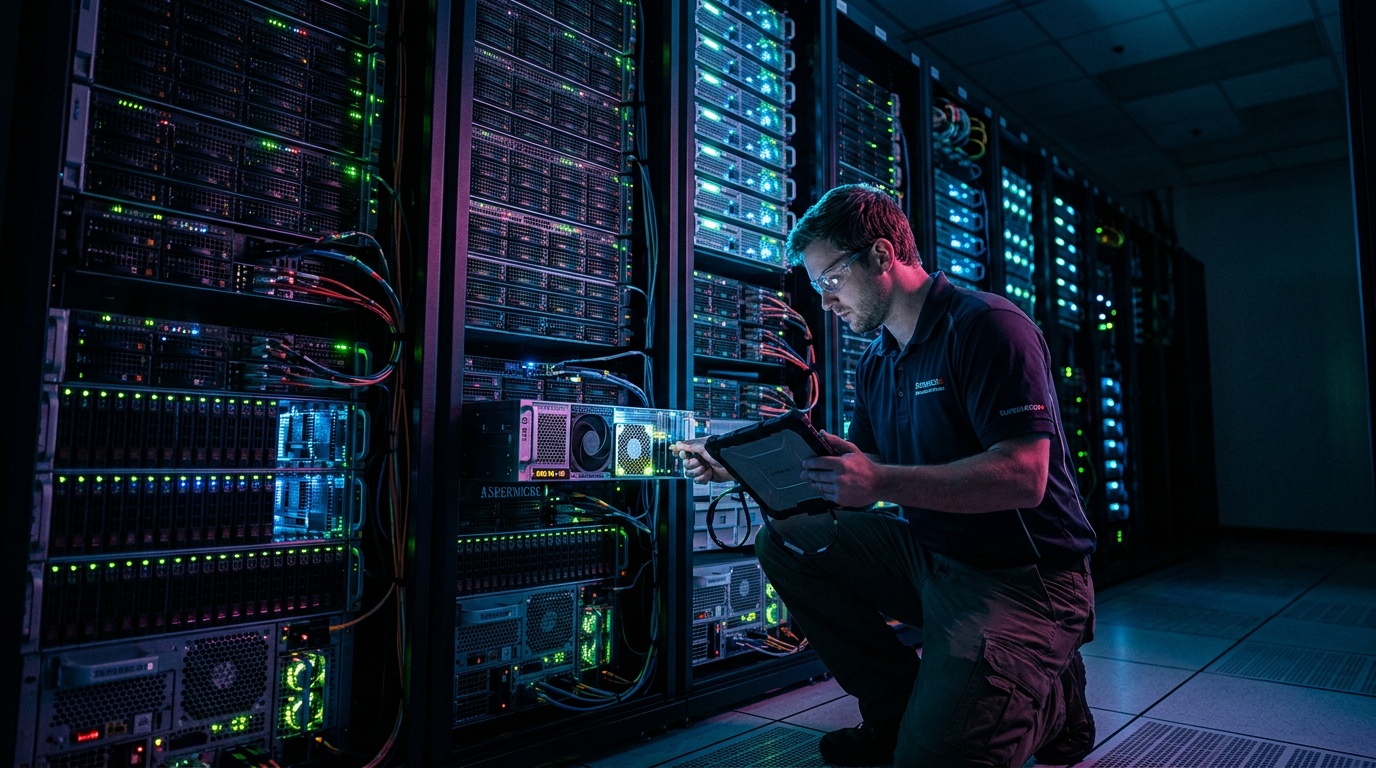
The agreement, detailed in an SEC filing tied to SpaceX's IPO process, provides Google with access to massive computing capacity, including approximately 110,000 NVIDIA Corp. (NVDA) graphics processing units, along with CPUs, memory, and related components. Under the terms, Google will pay SpaceX $920 million per month from October 2026 through June 2029, with a reduced fee during a ramp-up period before October 2026.
Counterpoint Research analyst Neil Shah said the deal reflects the growing shortage of large-scale AI infrastructure as demand for generative AI services accelerates. "This agreement gives Google immediate access to computing resources for its Gemini models, AI-powered search products, and Google Cloud customers without waiting for new data center capacity to be built," Shah said.
The analyst also believes Google could use part of the infrastructure to serve enterprise cloud customers that prefer NVIDIA's CUDA ecosystem while reserving its in-house Tensor Processing Units for internal AI workloads. That's a smart hedge — Google gets to keep its proprietary chips for its own AI models while using NVIDIA's popular GPUs to attract enterprise clients who are already comfortable with that ecosystem.
For SpaceX, the deal is a massive vote of confidence. Shah said the arrangement could provide Google with a faster path to additional AI capacity while giving SpaceX a significant source of recurring revenue ahead of its expected stock market debut. He estimated that Google could package the computing infrastructure with software and cloud services for enterprise customers, potentially generating attractive margins.
But here's the really interesting part: Shah said the agreement could encourage investors to view SpaceX as an AI infrastructure provider in addition to its aerospace and satellite businesses. That's a big deal. If SpaceX can convince the market it's not just a rocket company but also a player in the AI compute game, its valuation could get a serious boost.
The SEC filing also spells out some key terms. SpaceX must have the committed GPU capacity operational and accessible by Sept. 30, 2026. If it misses that deadline, Google can terminate the agreement after a one-month grace period or accept fewer GPUs with a proportional reduction in payments. Google will retain ownership of its content, AI models, and related data processed on the infrastructure. After Dec. 31, 2026, either party can terminate with 90 days' notice.
Shah described the partnership as an example of increasing cooperation among major AI companies seeking access to scarce computing resources. "The arrangement benefits both companies by matching Google's demand for AI capacity with SpaceX's expanding infrastructure business," he said.
As for Alphabet (GOOGL), shares were down 1.57% at $362.54 during premarket trading on Monday, according to market data. But the long-term story here is about more than one day's price action — it's about how two giants are reshaping the AI landscape together.