The S&P 500's nine-session winning streak came to an end on Wednesday, and if Polymarket traders are right, the benchmark index is in for another rough open on Thursday. The prediction market contract for the June 4 open implies just a 14% chance that the index will start the day in the green.
Wednesday's selloff saw the S&P 500 fall 0.74% to 7,553.68, retreating from the record highs it touched earlier this week. The culprit? A familiar cocktail of rising oil prices, climbing Treasury yields, and geopolitical jitters.
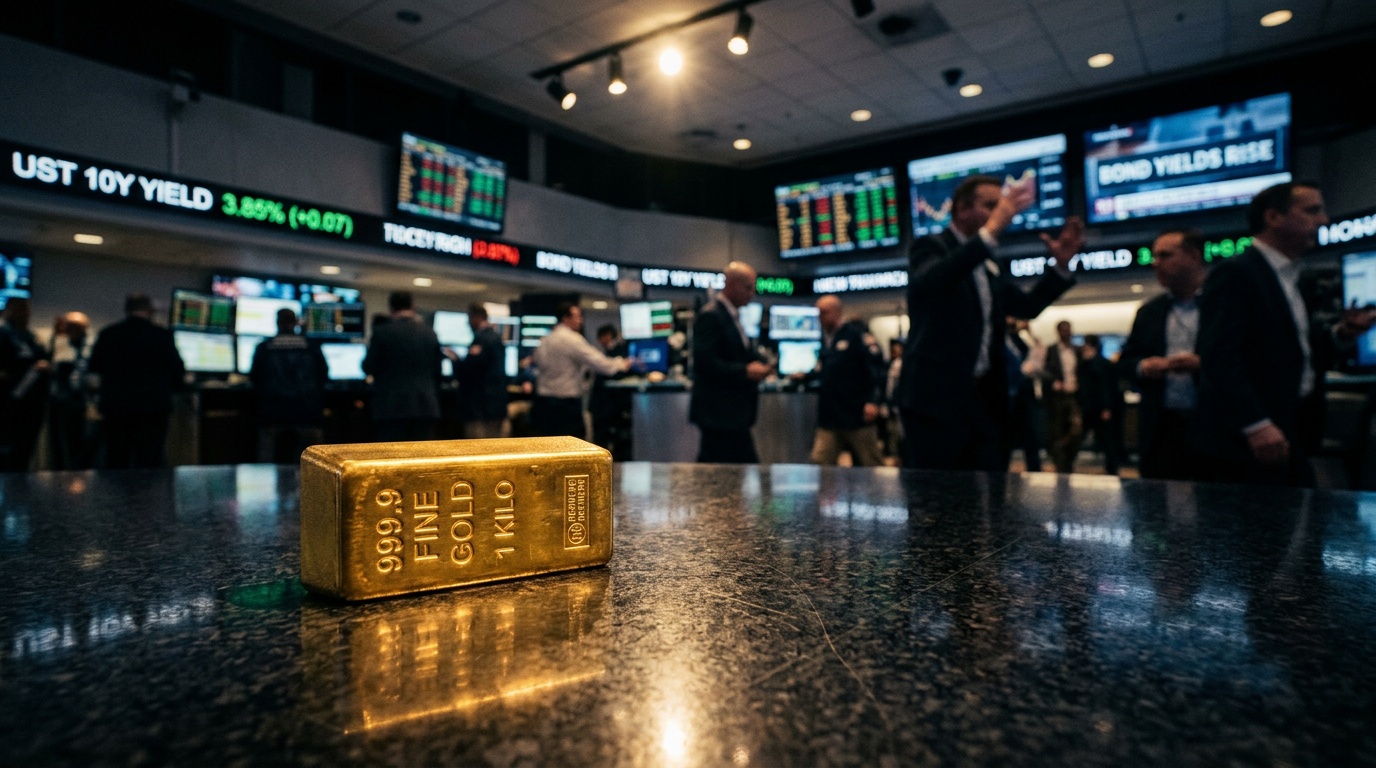
Oil prices surged after Iran struck Kuwait International Airport and the U.S. carried out additional "self-defense strikes" on Qeshm Island. West Texas Intermediate crude rose 2.41%, while Brent crude gained 1.89%. That pushed the 10-year Treasury yield toward 4.5% and the 30-year yield near 5%, reigniting fears that inflation could stay sticky and limit the Federal Reserve's ability to cut rates.
Investors will also be watching Thursday's initial jobless claims data, along with first-quarter productivity and unit labor cost readings, for further clues on the economy's direction.
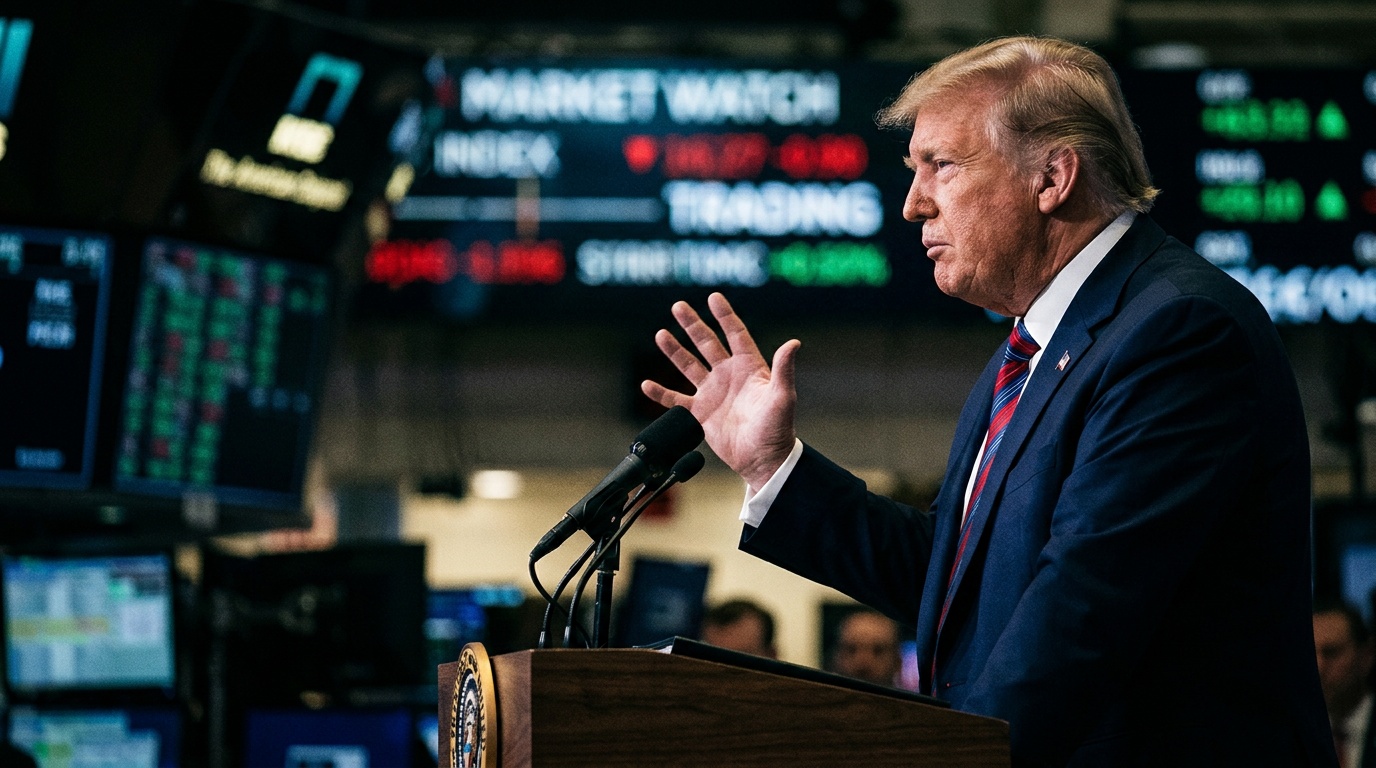
But before you go full bear, consider the bull case. The S&P 500 had just come off nine straight winning sessions and remains close to its all-time highs. President Donald Trump said Wednesday that Iran had agreed not to pursue nuclear weapons, though he cautioned that Tehran could still reverse course. And corporate earnings and AI-related investment trends continue to provide longer-term support for equities, bulls argue.
Still, the after-hours earnings action wasn't pretty. Broadcom (AVGO) shares fell 13% after reporting a fiscal second-quarter revenue miss, while CrowdStrike (CRWD) dropped 10% after issuing weaker-than-expected revenue guidance. S&P 500 futures were down 0.43% early Thursday, suggesting the weakness could carry over.
For context, Wednesday's Polymarket bet resolved "Down" after the S&P 500 opened at 7,605.31, below Tuesday's close of 7,609.78. That contract saw about $66,215 in traded volume before settling. Thursday's contract suggests traders expect more of the same.