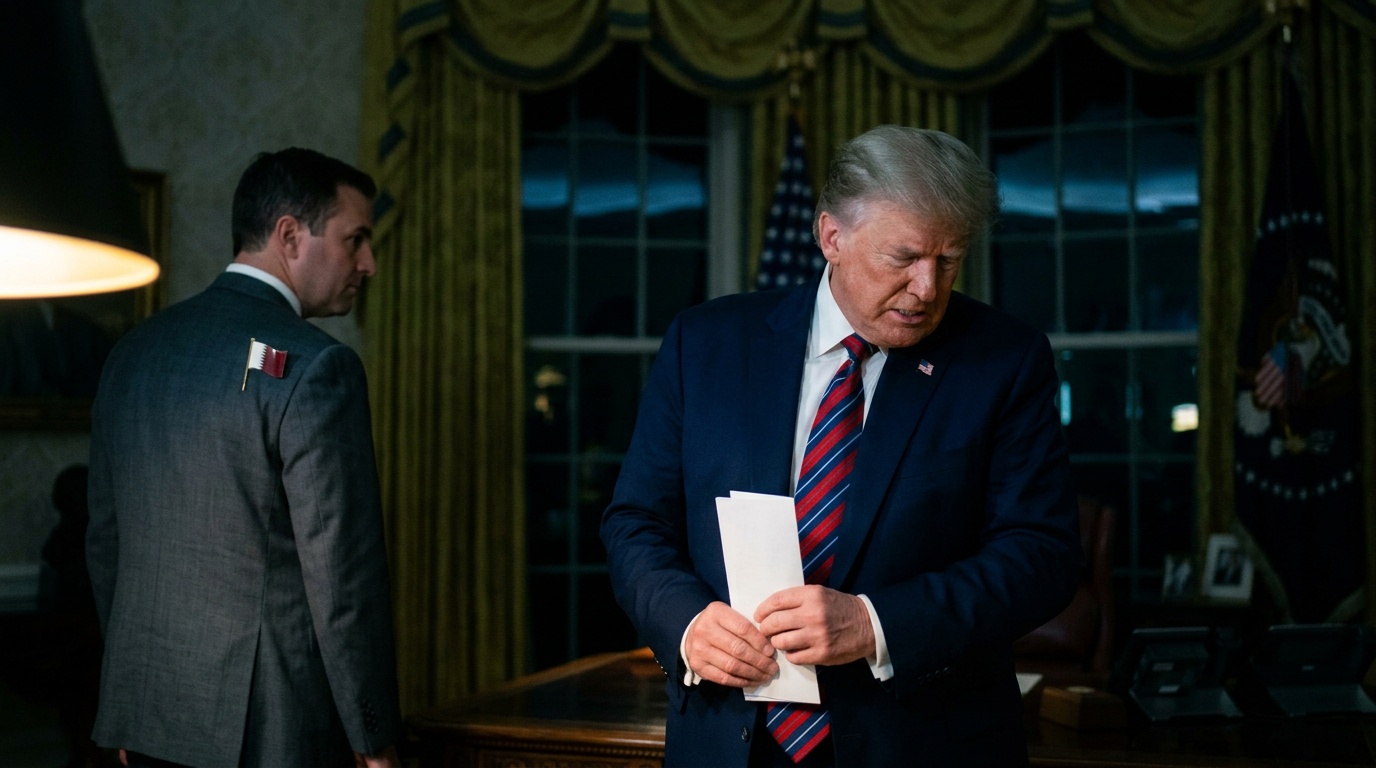
President Donald Trump signed an executive order on Wednesday that makes it easier to fire senior federal employees who influence government policy. The order revives a workforce reform effort that reclassifies about 8,000 policy-influencing positions into a new category called Schedule Policy/Career.
The White House says these are employees involved in developing, directing, or advocating administration policies—people who shape regulations, guidance, grant decisions, and other government actions. About 97% of the positions covered are GS-15 or Senior Level roles, which are among the highest-ranking career positions outside the Senior Executive Service.
Speaking at a White House signing ceremony, administration officials argued that existing personnel rules make it too hard to discipline or remove employees in senior policymaking roles. The order is designed to make the federal workforce more accountable and improve agency performance.
Office of Personnel Management Director Scott Kupor told reporters ahead of the order's release that the administration needs employees willing to carry out its policy priorities. According to Reuters, Kupor said workers could hold any political views, but those views should not interfere with carrying out lawful orders and policy directives.
Reuters also reported that James Sherk of the Domestic Policy Council said agencies have historically faced difficulty removing employees in policy-influencing positions and argued that the new order would allow agencies to address poor performance more quickly.
The administration emphasized that employees placed in Schedule Policy/Career remain career federal workers—they're not political appointees. But they can be removed more quickly for poor performance, misconduct, corruption, or failure to carry out presidential directives.
This executive order is the latest step in Trump's broader effort to reshape the federal workforce. Earlier this year, the administration proposed changes that would shift oversight of certain federal layoff appeals from the Merit Systems Protection Board to the Office of Personnel Management. The administration says this would streamline review procedures, while labor unions argue it could reduce independent oversight of employee terminations.
The administration has also pursued workforce reductions across multiple federal agencies this year. Those efforts have drawn legal challenges from unions and employee groups, while the White House has said the changes are necessary to reduce bureaucracy and improve government efficiency.
The 8,000 positions affected by this order are well below earlier estimates that suggested as many as 50,000 federal employees could eventually fall under similar workforce reforms. For now, the order focuses on the senior policy-influencing roles that the administration says are most critical to implementing its agenda.