Intel Corp.'s (Intel (INTC)) turnaround story is picking up steam, and it's getting help from some unlikely places: the White House, Apple, and even Elon Musk's SpaceX. The chipmaker's stock was up 1.30% in premarket trading Tuesday at $121.40, continuing a rally that has turned the U.S. government's investment into a massive windfall.
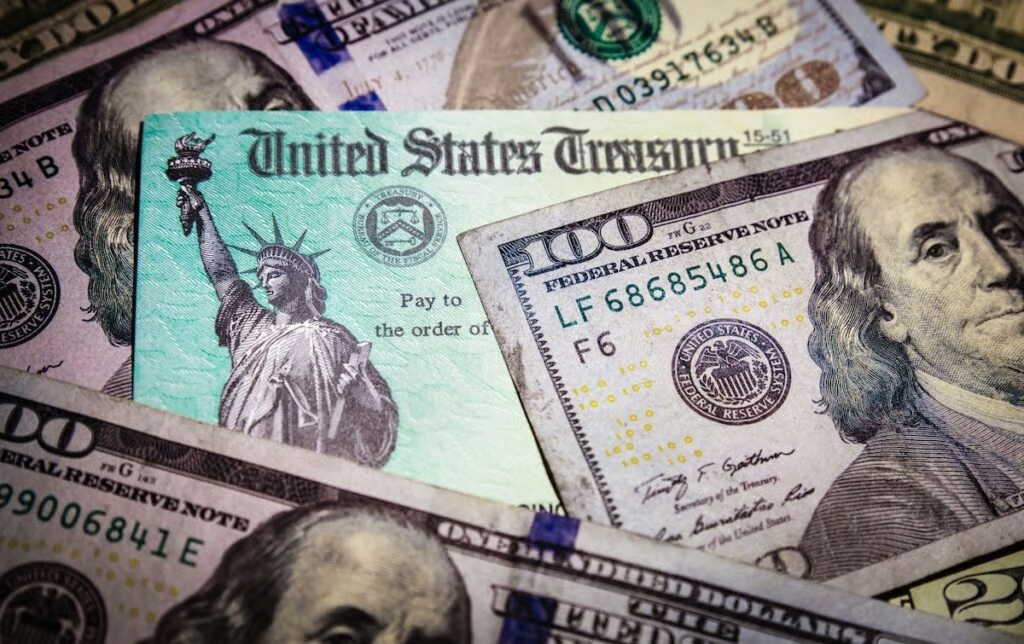
Let's start with the government's stake. Last August, the U.S. bought a 9.9% stake in Intel at $20.47 per share as part of a broader effort to shore up domestic semiconductor manufacturing. With Intel shares now trading around $121, that stake is worth an estimated $43 billion more than the government paid. Not a bad return for a taxpayer-funded bet.
Commerce Secretary Howard Lutnick has been actively supporting potential commercial partnerships between Intel and large tech customers, according to Bloomberg. The idea is to strengthen U.S. chip manufacturing by making Intel a viable foundry for the world's biggest chip designers. And it seems to be working.
Trump Wishes He'd Asked for More
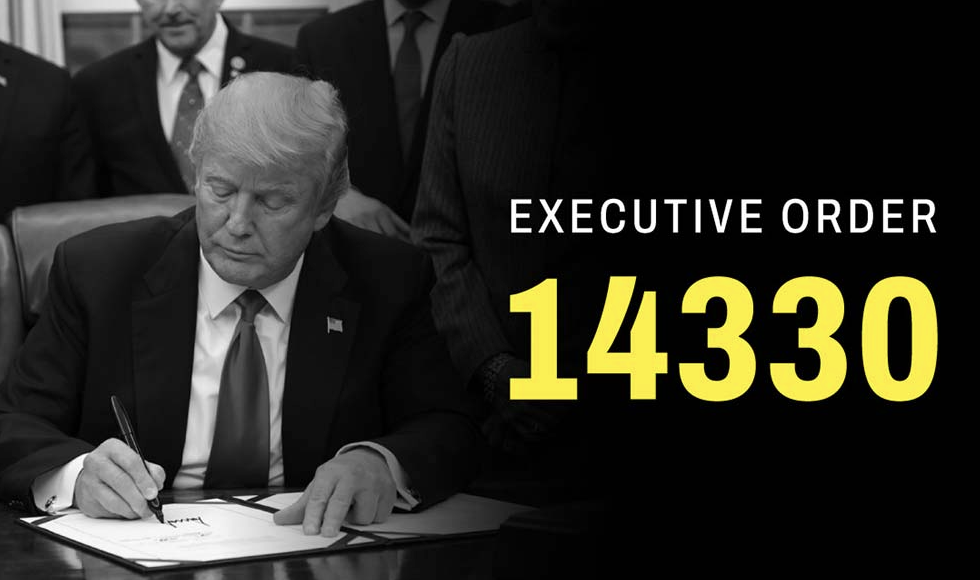
In an interview with Fortune, President Donald Trump said he regretted only asking for a 10% ownership stake in Intel as part of the deal. Trump recalled proposing that the government receive the stake for free and joked that he "should have asked for more" after Intel agreed. He framed the idea as part of a larger economic strategy combining tariffs, trade deals, and strategic investments to bring capital and manufacturing back to the U.S.
Trump also pointed to the nation's $38 trillion debt as justification for unconventional government involvement in corporate and industrial policy. The comments have only added to investor focus on Intel's central role in U.S. semiconductor production and Washington's push to reduce reliance on foreign chip manufacturing.
Apple, Nvidia, and SpaceX: The Foundry Dream Team
The biggest news for Intel's foundry ambitions is that Apple is reportedly exploring a partnership. According to reports, Apple could shift some chip manufacturing work to Intel's foundry business under a preliminary agreement. TF International Securities analyst Ming-Chi Kuo said Apple has already started moving some low-end or legacy iPhone, iPad, and Mac chip production to Intel.
This is a notable reversal. Apple relied on Intel chips for Macs until 2020, when it transitioned to its own "Apple Silicon" processors manufactured by Taiwan Semiconductor Manufacturing Co. Ltd. (TSMC (TSM)). Now, Intel is trying to win back some of that business as a foundry partner.
Beyond Apple, Intel is reportedly in advanced talks with Nvidia Corp. (Nvidia (NVDA)) and SpaceX. If Intel can secure deals with these marquee customers, it would be a huge validation of its foundry strategy and a major step toward competing with TSMC.
Analysts See Potential, but Caution
Bernstein analyst Stacy Rasgon said Intel could attract substantial customer demand if the company successfully manufactures advanced chips at scale. He added that political pressure and supply-chain concerns may prompt companies to test Intel's foundry services sooner than they otherwise would.
Still, Kuo cautioned that TSMC would likely retain more than 90% of Apple's supply share even if Intel secures some production work. So Intel's foundry business is more of a complementary play than a full-on replacement for TSMC—at least for now.
Earnings and Analyst Outlook
The next major catalyst for Intel stock is the July 23, 2026 (estimated) earnings report. Analysts expect earnings per share of 19 cents, up from a loss of 10 cents a year ago, and revenue of $14.40 billion, up from $12.86 billion.
The stock carries a Hold rating with an average price target of $77.65, but recent analyst moves suggest growing optimism. Citigroup raised its forecast to $130 on May 18, Benchmark to $140 on the same day, and Mizuho to $124 on May 12. All three analysts see upside, though Mizuho remains neutral on the stock.
Intel's turnaround is far from guaranteed, but with the White House in its corner and some of the biggest names in tech knocking on its foundry door, the chipmaker is making a compelling case that it can be a major player in the next chapter of semiconductor manufacturing.







.jpeg)