Sen. Bernie Sanders (I-VT) isn't buying Elon Musk's sunny predictions about artificial intelligence creating a world of "universal high income." In fact, he has a pretty straightforward question for the Tesla and SpaceX CEO: How exactly are you planning to pay for it?
On Saturday, Sanders took to X to call out Musk's vision. "You tell us not to worry about the jobs that'll be wiped out by AI & robotics because the government will provide everyone with 'universal high income,'" Sanders wrote. Then came the punchline: "How will that be paid for when you can't even support a 5% tax on your $817 billion in wealth?"
It's a classic Sanders move — poking at the gap between Musk's futuristic promises and his real-world politics. Musk has long opposed wealth taxes, arguing they stifle innovation. But Sanders sees a contradiction: if you're rich enough to fund a universal income, why fight a tiny tax on your own fortune?
The debate isn't just theoretical. AI is already reshaping the job market, and not in a gentle way. Meta Platforms Inc. (META) just announced it's laying off over 8,000 employees — more than 10% of its workforce — as it doubles down on AI investments. The Mark Zuckerberg-led company also scrapped plans to fill 6,000 open positions, even as it reported a massive $56.31 billion in revenue and $26.8 billion in net income for the first quarter of 2026.
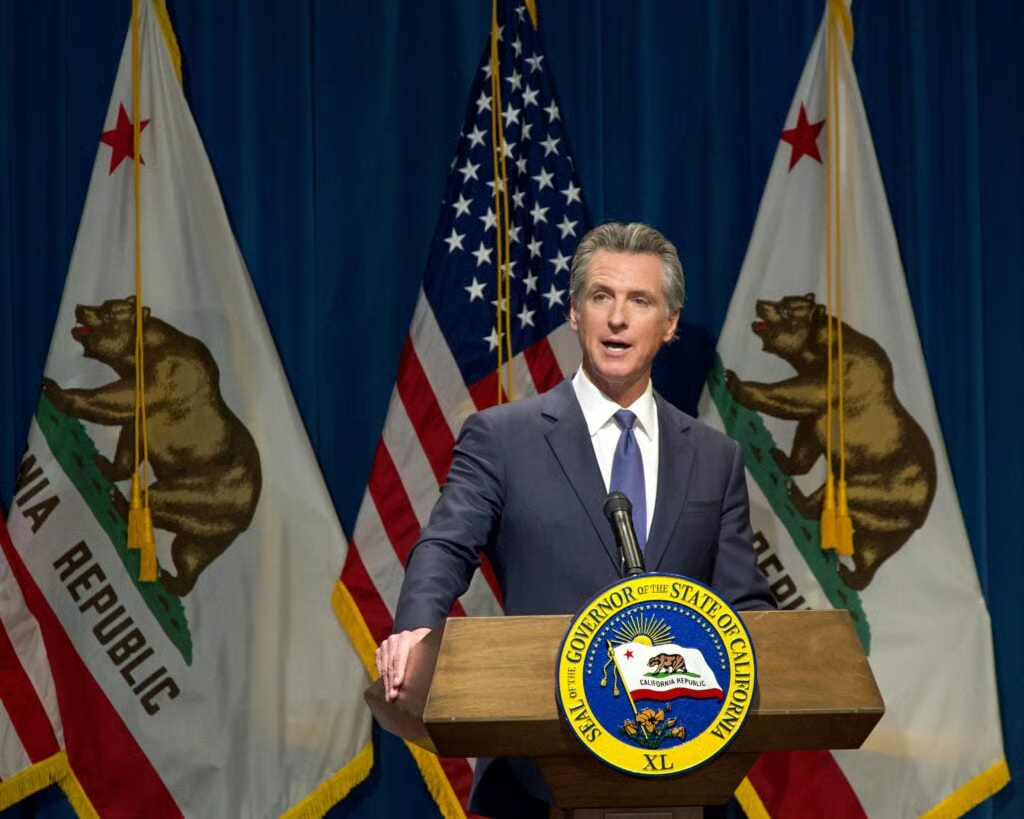
Lawmakers are starting to sweat. New York City Comptroller Mark Levine shared a report warning that AI could wipe out about 110,000 private-sector jobs in the city by 2027. Meanwhile, California Governor Gavin Newsom launched a worker protection plan aimed at shielding jobs as tech companies pour money into automation.
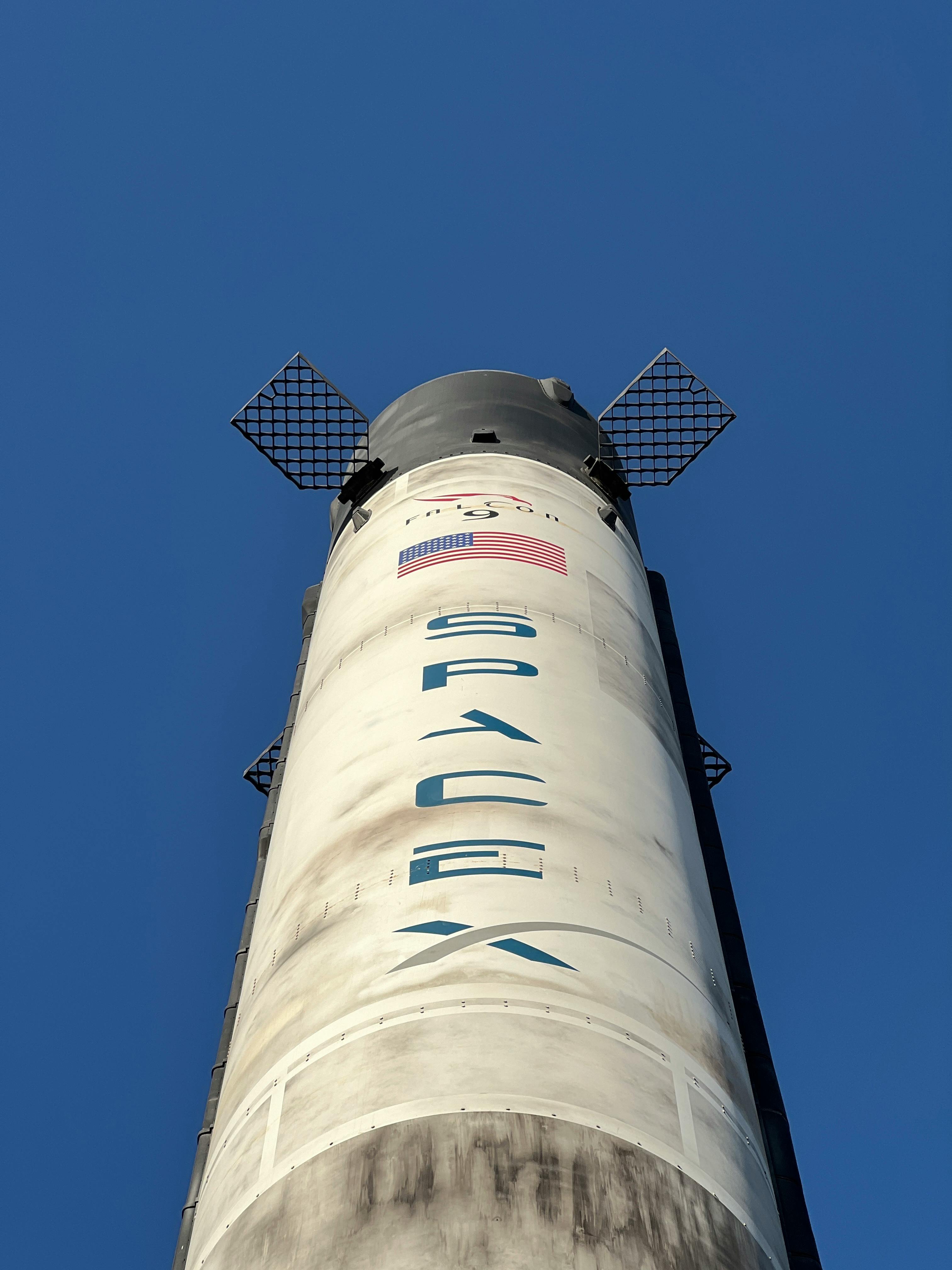
Musk, for his part, isn't backing down. He's argued that AI and robotics will actually boost productivity, and that Tesla plans to expand its human workforce, not shrink it. SpaceX is even hiring engineers with "zero AI experience" as it gears up for its IPO, expected in June.
So who's right? Sanders is asking the hard question about funding, but Musk's track record of betting on humans — even as he builds robots — suggests he sees a future where both coexist. For now, the only universal thing might be uncertainty.