Buying shares in Space Exploration Technologies Corp SpaceX (SPCX) may give investors a chance to own a piece of Elon Musk's vision for Mars. What it may not give them is much say in how the company is run.
Buried within SpaceX's sprawling S-1 filing is one of the most management-friendly governance structures to hit public markets in years—one that effectively asks investors to provide capital while leaving control firmly in Musk's hands.
Musk's Voting Power Stays Intact
Like Meta Platforms, Inc. (META) and Alphabet Inc. (GOOGL) before it, SpaceX will debut with a dual-class share structure.
Public investors will receive Class A shares carrying one vote per share. Musk's Class B shares will carry 10 votes per share. More importantly, Class B shareholders will retain the right to elect a majority of SpaceX's board of directors regardless of the outcome of broader shareholder voting.
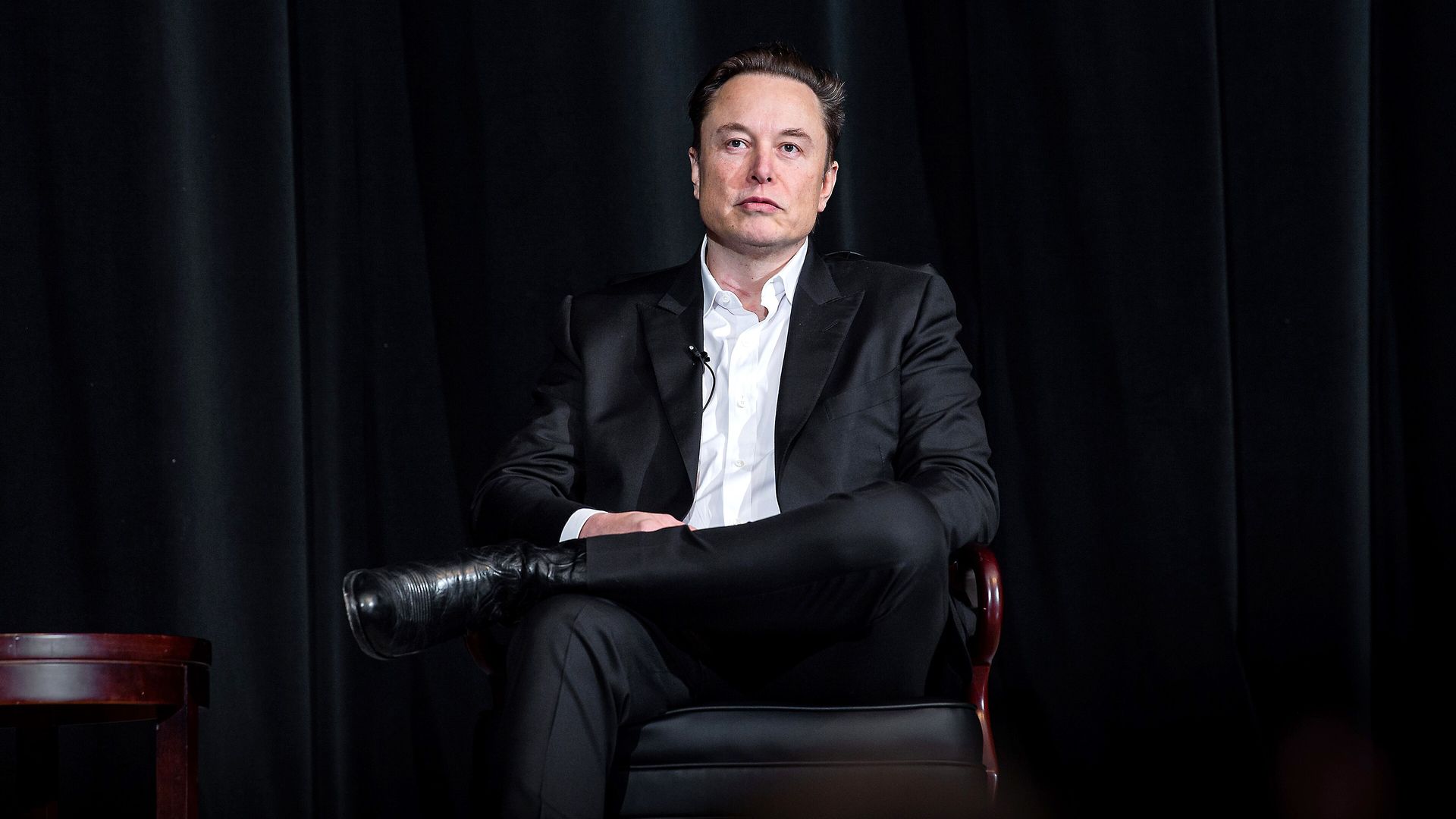
The filing explicitly notes that Musk will serve as CEO, Chief Technical Officer and Chairman, while the dual-class structure concentrates voting control with Musk and other Class B holders, limiting the ability of Class A shareholders to influence corporate matters or director elections.
SpaceX also expects to qualify as a Nasdaq "controlled company," allowing it to rely on exemptions from certain corporate governance requirements.
Suing Management Could Be A Tall Order
The filing goes even further on shareholder rights.
SpaceX's bylaws will require a shareholder or group of shareholders to own at least 3% of the company's outstanding common stock to institute or maintain a derivative lawsuit on behalf of the company.
At the valuation levels discussed around the IPO, that threshold could translate into tens of billions of dollars worth of stock—effectively placing such actions beyond the reach of retail investors and many institutional funds.
The company also outlines an elaborate dispute-resolution framework that channels many shareholder disputes into Texas courts, requires mandatory arbitration, permits jury-trial waivers, and imposes restrictions on class-action-style proceedings. Internal disputes generally cannot be brought as class actions, and shareholders are deemed to waive jury-trial rights.
In addition, Texas law provisions adopted by SpaceX create a presumption that directors and officers acted in good faith and in the company's best interests, raising the bar for shareholders seeking to challenge management decisions.
Don't Expect Dividend Checks
Investors looking for income won't find much encouragement either.
SpaceX states that it does not anticipate paying cash dividends "in the foreseeable future" and intends to retain earnings to fund future initiatives.
That growth agenda is ambitious. The company says IPO proceeds will help fund AI compute infrastructure, satellite constellation expansion, launch systems and the broader mission of building the technologies needed to make humanity multiplanetary.
In other words, SpaceX's message to prospective investors appears straightforward: if you want exposure to Musk's vision of Mars, orbital AI data centers and the future of space infrastructure, you're welcome aboard.
Just don't expect a dividend—or much influence over the flight plan.