Micron Technology (Micron (MU)) shares jumped more than 5% in premarket trading Wednesday, joining a broader semiconductor rally as traders digested the latest twist in U.S.-China AI-chip diplomacy: NVIDIA CEO Jensen Huang is now on President Trump's plane to Beijing.
The move comes as the Nasdaq tracks higher and risk appetite returns, but the real story is the high-stakes dance between Washington and Beijing over AI chip exports — a dance that directly impacts memory makers like Micron.
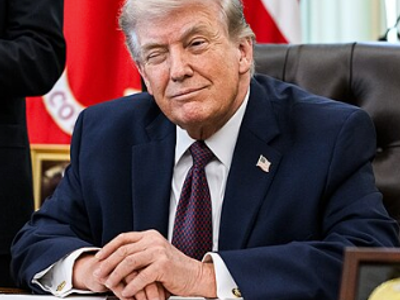
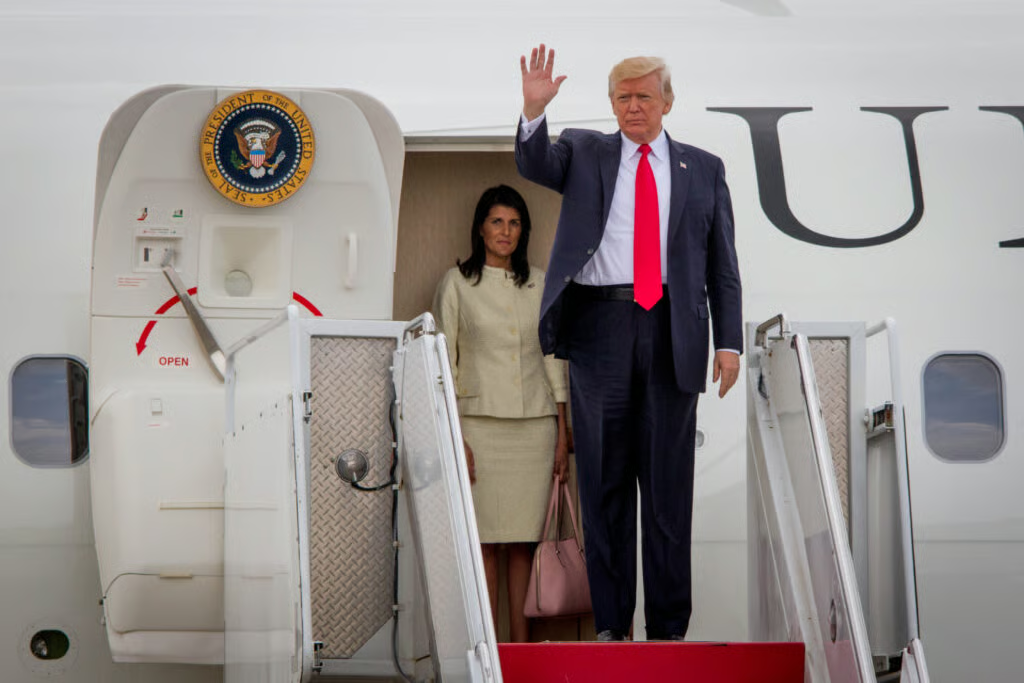
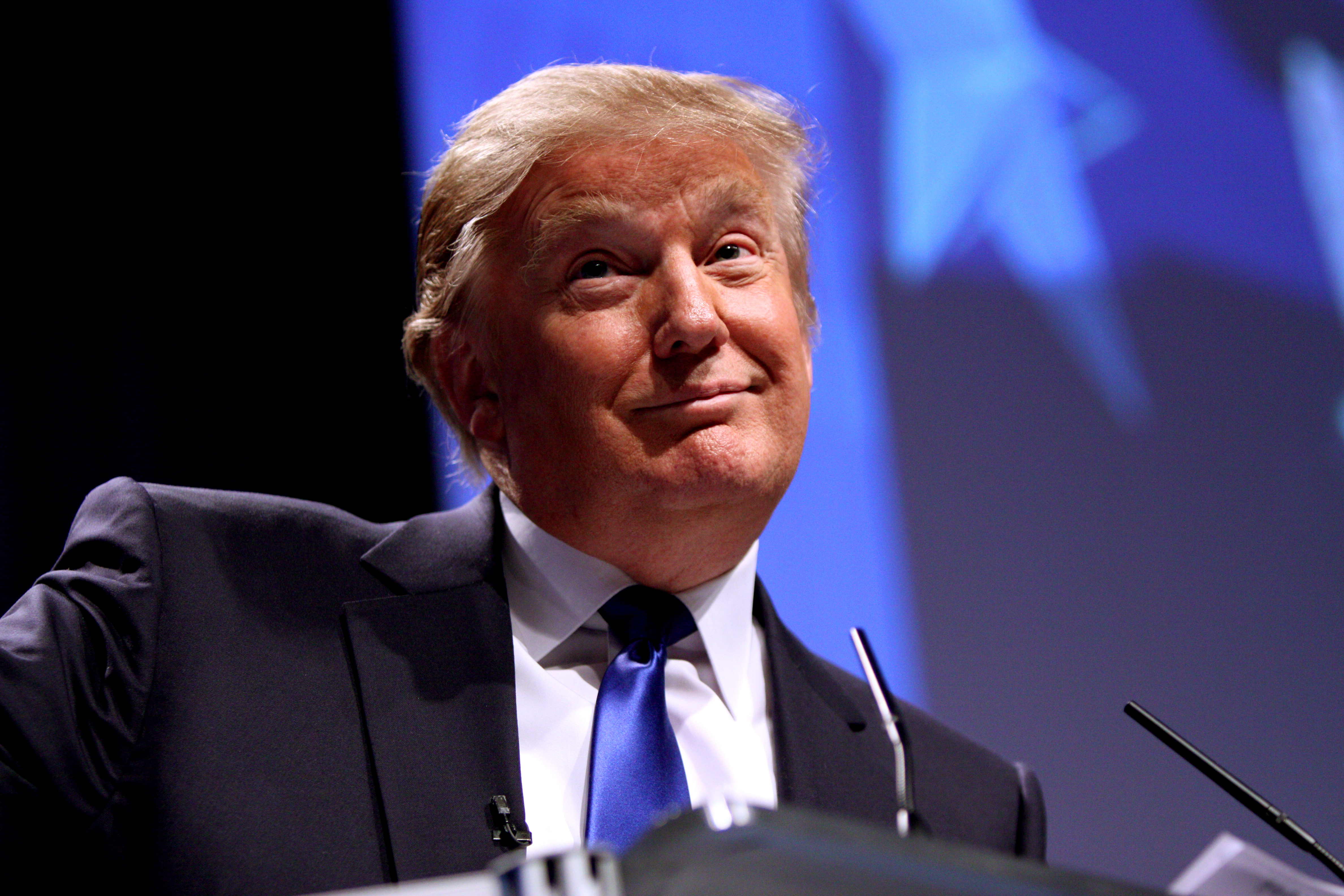
President Trump personally called NVIDIA (NVDA) CEO Jensen Huang and invited him to join the China trip after reports highlighted his absence. A source familiar with the matter said Huang flew to Alaska to board Air Force One. NVIDIA later confirmed that Huang joined the administration at Trump's invitation to support its goals.
At the same time, Trump said he planned to ask President Xi Jinping to further open China to U.S. businesses during meetings in Beijing.
But don't expect a quick thaw. NVIDIA said in February that U.S.-approved versions of its chips still hadn't received clearance for sales in China. Former U.S. Commerce Secretary Carlos Gutierrez said the U.S. remained far from any agreement on AI chip export controls. Washington has imposed semiconductor technology restrictions on China to limit its access to AI technology from companies like NVIDIA, Micron, and ASML (ASML), citing national security concerns.
China is a key market for Micron — but it's a complicated one. Last October, Micron shares fell after reports said the company planned to exit China's data center market following Beijing's 2023 ban on its products in critical infrastructure systems. Micron reportedly decided to stop selling server chips to Chinese data centers after the business failed to recover from the restrictions. However, the company will continue supplying chips to Chinese customers with overseas data center operations, including Lenovo, while maintaining business with China's automotive and smartphone sectors. The report said Micron generated about $3.4 billion, or roughly 12% of total revenue, from mainland China last year.
So the China narrative is a mixed bag: potential upside from diplomatic breakthroughs, but real constraints on the ground.