Senator Lindsey Graham (R-S.C.) has cast doubt on Pakistan's neutrality as a mediator in the ongoing conflict between Iran and the United States. In a post on X Monday, Graham reacted to a CBS report suggesting that Pakistan allowed Iranian military aircraft to park on its airfields, even as it played the role of diplomatic intermediary.
"If this reporting is accurate, it would require a complete reevaluation of the role Pakistan is playing as mediator between Iran, the United States and other parties," Graham wrote. He added that he wouldn't be surprised if the report were true, pointing to past anti-Israel remarks by Pakistani defense officials—specifically, Defence Minister Khawaja Muhammad Asif calling Israel "evil and a curse for humanity" in an X post in April.
According to the CBS report, while Pakistan hosted the first round of peace talks in Islamabad, it also allowed Iranian military aircraft to be stationed at Pakistani airfields, potentially shielding them from American strikes. Iran also reportedly sent civilian aircraft to Afghanistan, though it was unclear if any were military. U.S. officials told CBS that shortly after a ceasefire was announced in early April, Iran moved aircraft, including an RC-130 reconnaissance plane, to Pakistan's Nur Khan Air Base near Rawalpindi. This suggests an effort to protect key military assets amid rising tensions, even as Pakistan publicly supported de-escalation efforts.
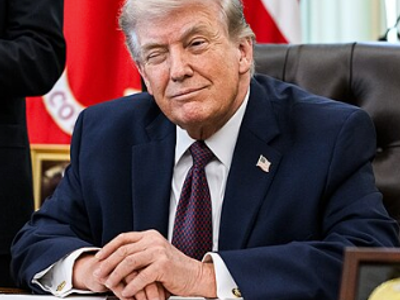
Meanwhile, the broader U.S.-Iran stalemate continues. On Monday, President Donald Trump said Iran's response to a U.S. ceasefire proposal has put the truce "on life support," calling it the weakest stage so far and rejecting Tehran's conditions as unacceptable. Iran, however, insists its demands are non-negotiable, including an end to military operations, compensation for war damages, restoration of oil exports, and recognition of its authority over the Strait of Hormuz. Iranian officials defended their stance as legitimate, while also warning that the military is prepared to respond firmly to any further escalation.