On Monday, investor Kevin O'Leary alleged that a spike in online misinformation is directly tied to U.S. plans to expand the electrical grid and build out artificial intelligence computing infrastructure. He took to X to air his concerns, arguing that the pushback against these national projects looks coordinated.
"Who would want us to stop building our electrical grid? Who would wanna stop us from having compute capacity to develop AI? Which adversary would want that? There's only one. It's China," O'Leary wrote.
He claimed there has been "an immediate spike in misinformation" across platforms like Instagram and X following announcements about national AI infrastructure development. "Why is this happening across America? Why every time we announce national defense in terms of giving us compute power do we get pounded by all of these IP addresses?" he said, suggesting many of the accounts are bots or coordinated actors using proxy networks.
O'Leary didn't mince words about who he thinks is behind it. "These are proxies for the Chinese government… This is the CCP at work here. There's no question about it."
This isn't the first time O'Leary has sounded the alarm on AI infrastructure. He previously proposed a massive AI data center project in Utah called "Stratos," which was planned as a multi-gigawatt facility spanning tens of thousands of acres. But the project hit a snag—local opposition delayed its approval. O'Leary said the facility would rely on on-site natural gas power generation linked to the Ruby Pipeline.
He's also warned that U.S. AI policy discussions should not include Chinese researchers, arguing that China is rapidly expanding its own power and data center capacity and poses a strategic challenge in the global AI race. "America could lose the AI race to China over energy constraints," he has said.
Meanwhile, the U.S. and China had been considering formal talks on AI amid rising competition. AI was expected to be a key topic during a possible Trump–Xi summit in Beijing, which would have marked the first structured AI engagement between the two countries. The talks would have focused on risks such as autonomous weapons, system instability, and misuse of advanced AI.
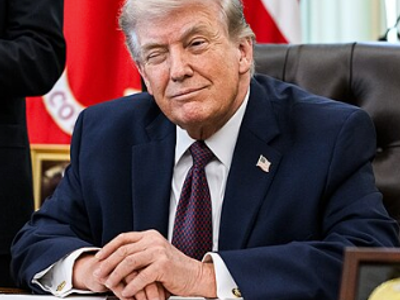
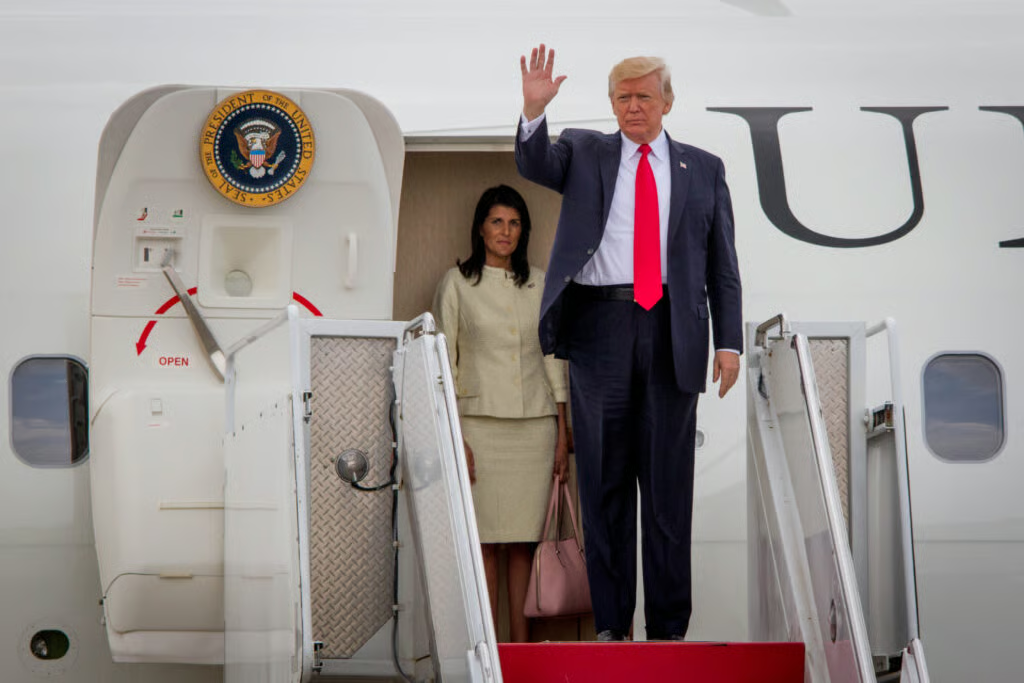
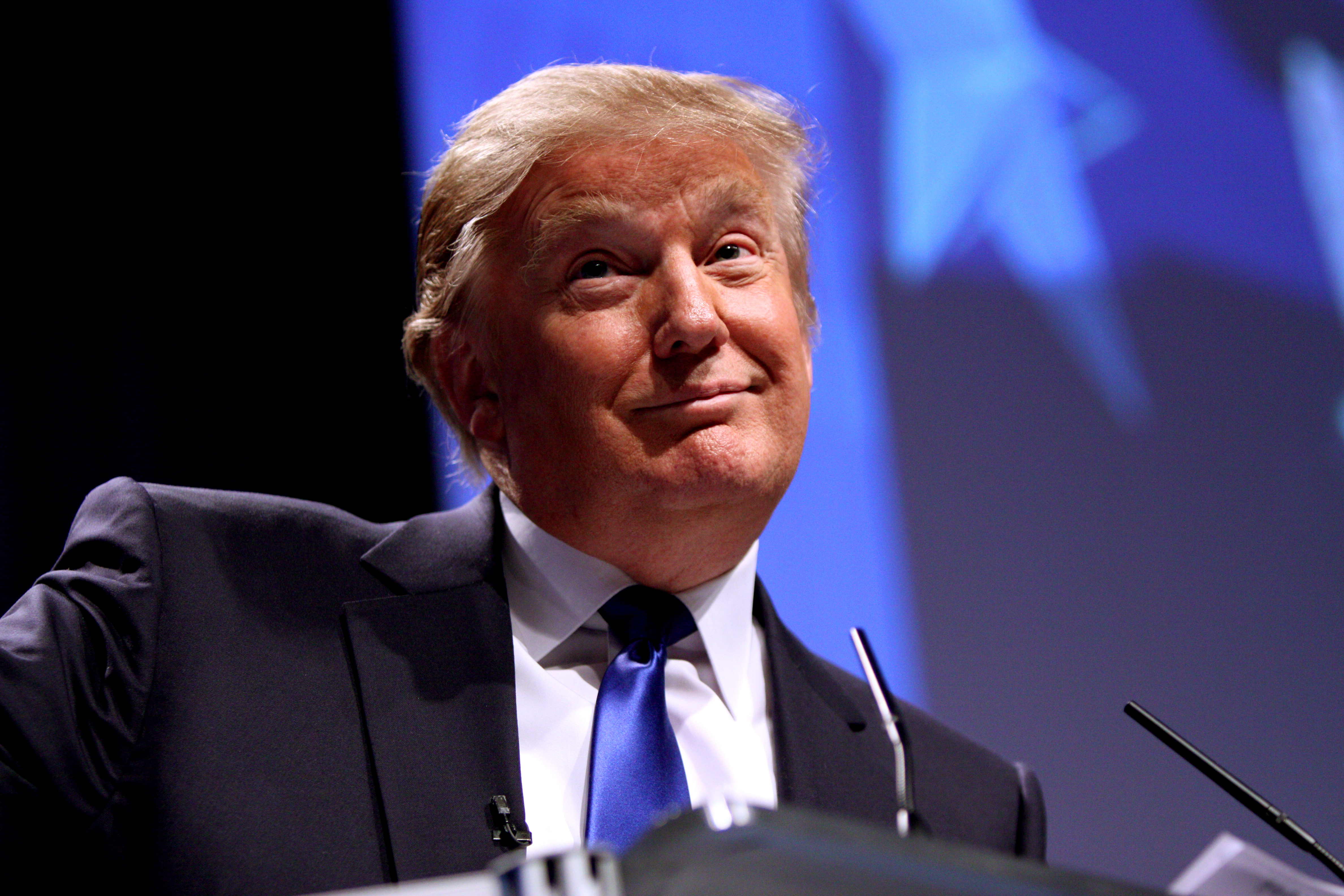
President Donald Trump is expected to arrive in Beijing on Wednesday for the meeting with Chinese President Xi Jinping.
Disclaimer: This content was partially produced with the help of AI tools and was reviewed and published by MarketDash editors.