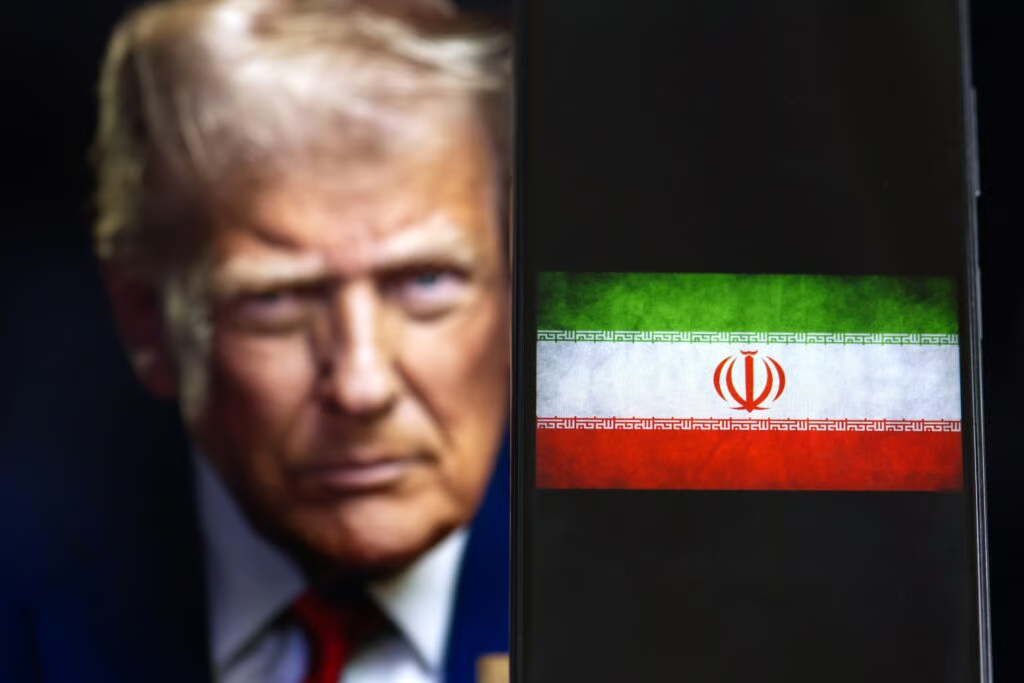
Late Tuesday, markets got a jolt of optimism after President Donald Trump announced a temporary pause in the U.S. military operation to escort commercial ships through the Strait of Hormuz — but made clear the blockade on Iran would stay. The result? Oil prices slipped, and futures pointed higher.
Dow futures rose 104 points, or 0.21%, to 49,519.00, while S&P 500 futures gained 18 points, or 0.25%, to 7,305.25, and Nasdaq 100 futures climbed 144.25 points, or 0.51%, to 28,280.25 as of 8:27 p.m. EDT. The moves suggest investors see the pause as a step toward de-escalation, even if the underlying standoff remains.
In commodities, the reaction was immediate. WTI crude oil fell 1.23% to $101.01 per barrel, and Brent crude dropped 1.05% to $108.72. RBOB gasoline futures slipped 0.59% to $3.5992 per gallon, while natural gas futures eased 0.57% to $2.772 per MMBtu. Only ULSD heating oil managed a tiny gain, up 0.12% to $4.0352 per gallon. The U.S. dollar index edged down 0.22% to 98.274.
Asian markets mostly cheered the news. South Korea's KOSPI surged 5.09% to 7,290.35, a massive rally for an economy heavily dependent on Gulf oil. Japan's Nikkei 225 rose a more modest 0.38% to 59,513.12.
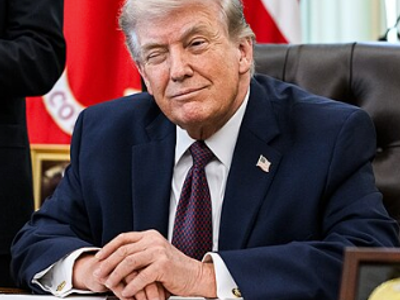
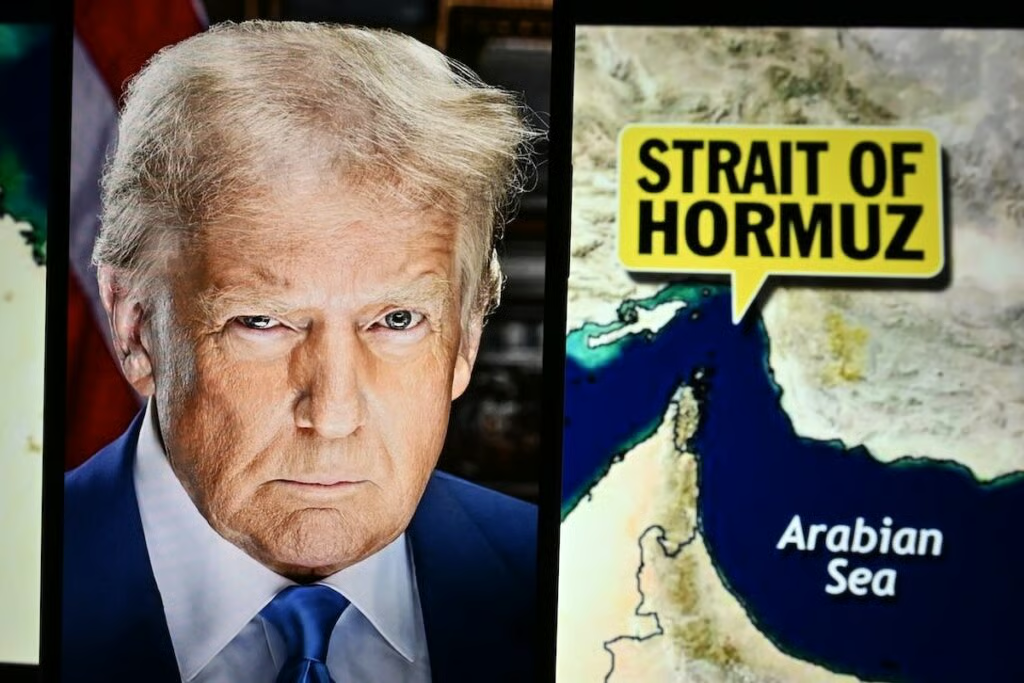
Trump announced the move on Truth Social, writing: "We have mutually agreed that, while the Blockade will remain in full force and effect, Project Freedom … will be paused for a short period of time." The operation, launched just Sunday, was meant to secure commercial transit through the Strait of Hormuz after months of Iranian disruptions to Gulf shipping.
The pause doesn't mean the crisis is over. Earlier Monday, U.S. Central Command said American naval forces destroyed six Iranian small boats and intercepted drones and missiles during recent clashes. Adm. Brad Cooper said U.S. forces had cleared an "effective pathway" through Iranian mines for global shipping.
Iranian Foreign Minister Abbas Araghchi responded on X with cautious openness to diplomacy, noting that recent events prove "there's no military solution to a political crisis." He added, "Project Freedom is Project Deadlock."
The Strait of Hormuz handles roughly a fifth of the world's oil shipments, so any disruption there ripples through inflation, fuel costs, and market volatility worldwide. For now, the pause is a welcome breather — but the blockade remains, and the underlying tensions are far from resolved.