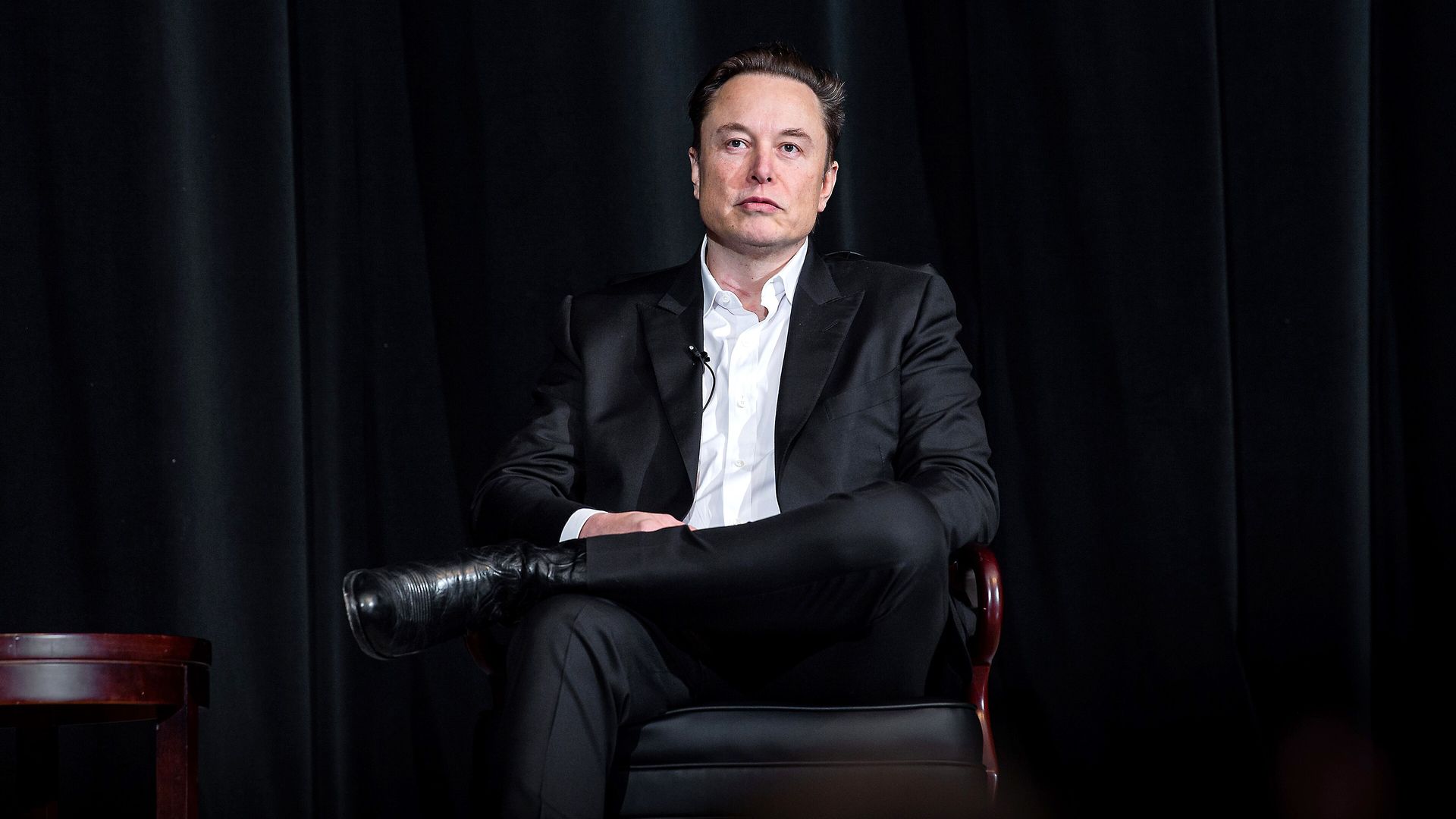
Three of the biggest names in AI — Microsoft (MSFT), Alphabet's Google (GOOGL), and Elon Musk's xAI — have signed up to let the U.S. government take a peek under the hood of their latest artificial intelligence models before they hit the market. The goal? To figure out if these models pose any national security risks before they're unleashed on the public.
The deal was announced Tuesday by the Center for AI Standards and Innovation (CAISI), a unit within the Department of Commerce. Under the agreement, CAISI gets early access to the companies' frontier AI models so it can study their capabilities and potential dangers. The center has already run more than 40 evaluations, including on advanced models that aren't even publicly available yet. And here's a telling detail: developers often submit versions of their models with safety guardrails removed, so the center can really stress-test them for national security risks.
Chris Fall, the director of CAISI, stressed the importance of independent, rigorous measurement science in understanding how frontier AI affects national security. It's a classic case of "trust, but verify" — and in this case, the verification is done by an independent body with no commercial interest in the outcome.
This isn't the government's first rodeo with AI safety. The new agreements build on similar deals struck in 2024 with OpenAI and Anthropic, back when CAISI was known as the U.S. Artificial Intelligence Safety Institute under the Biden administration. So the government has been quietly building a network of AI companies willing to submit to early scrutiny.
The timing is interesting. Just last week, the Pentagon's tech chief, Emil Michael, raised red flags about the security risks of Anthropic's Claude models and highlighted the advanced cyber capabilities of another AI model called Mythos, which could potentially identify and fix cyber vulnerabilities. That same day, the Defense Department announced agreements with seven companies — including Google, OpenAI, Nvidia (NVDA), Microsoft, Amazon (AMZN), SpaceX, and a startup called Reflection — to deploy their technology on the agency's classified networks for approved operational use. The Pentagon is clearly trying to diversify its AI toolkit while keeping a close eye on security.
Kent Walker, Alphabet's president of global affairs, confirmed Google's commitment to supporting defense agencies with AI, saying the company's approach to military uses of AI is in line with other major AI labs. That's a diplomatic way of saying Google is comfortable with its AI being used for defense purposes, as long as everyone plays by the same rules.
So what's the takeaway? The U.S. government is getting serious about AI safety, and the biggest players are lining up to cooperate. Whether it's voluntary pre-release assessments or classified deployments, the message is clear: AI is too powerful to be left entirely to the private sector, at least when national security is on the line.