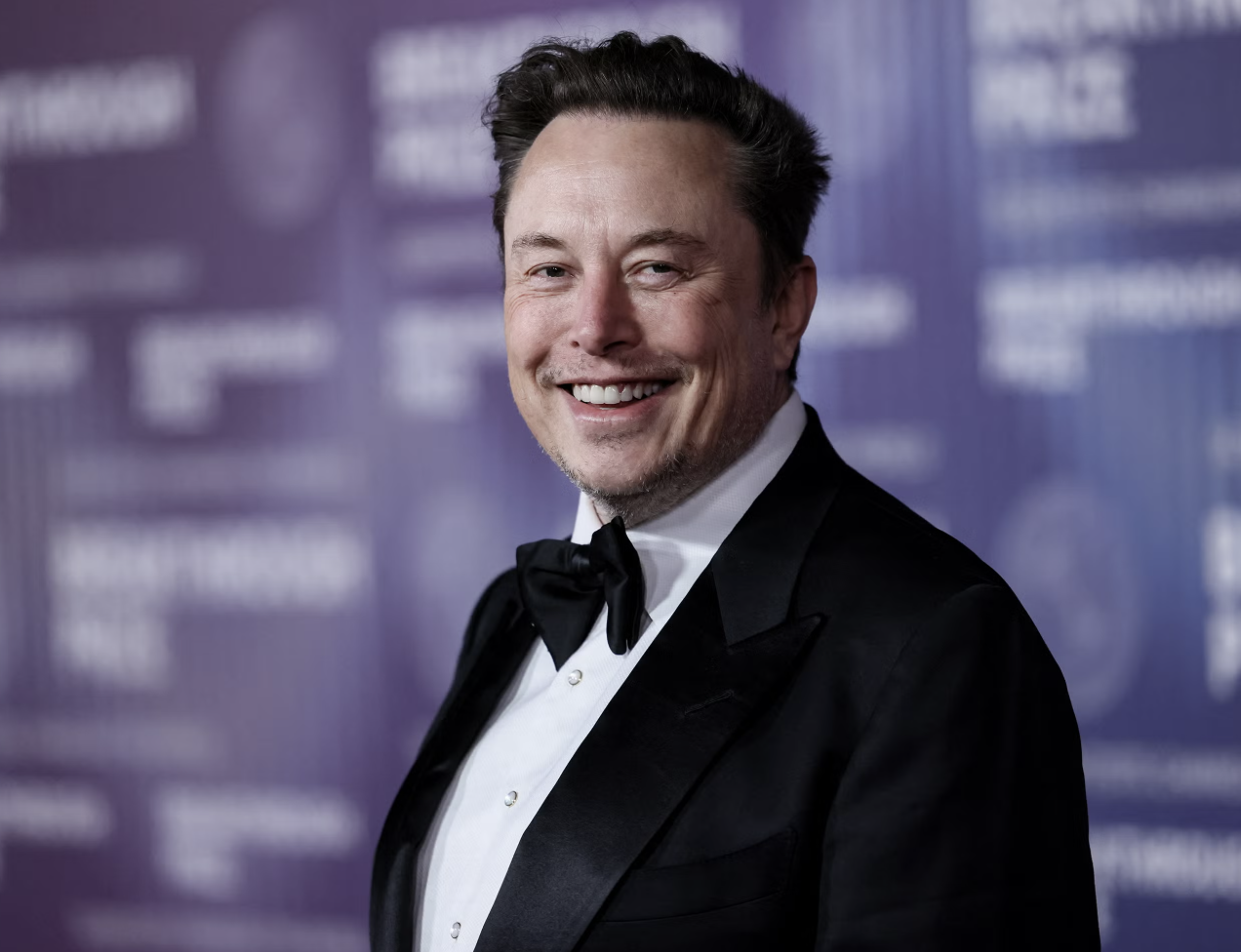
So, Donald Trump (DJT) has picked Kevin Warsh to replace Jerome Powell as chair of the Federal Reserve. If confirmed, Warsh wouldn't just bring a new policy outlook to the central bank—he'd bring a whole lot of money. Like, a lot.
His 69-page financial disclosure lists personal assets somewhere between $192 million and roughly $226 million. And that's just him. His wife, Jane Lauder—yes, of the Estée Lauder (EL) fortune—is estimated to be worth about $1.9 billion. So, we're talking about a Fed chair who'd be among the richest in history, which is fine, I guess, if you're into that sort of thing. But here's the thing: it's not the wealth itself that's the problem. It's what's in the portfolio.
Immense Power, Opaque Holdings
Warsh's disclosure shows more than $100 million parked in funds that don't reveal their underlying assets. They're hidden behind pre-existing confidentiality agreements. Think of it as a financial black box. For the head of the Federal Reserve—the guy who'll be influencing everything from stablecoin regulation to bank crypto-custody rules, tokenized deposits, and any future U.S. central bank digital currency—that's a bit of a red flag. How can the public judge where his private incentives might bump into public decisions if we don't even know what he's invested in?
Now, Warsh has promised to divest these holdings, and once he does, he should be in compliance. But divesting isn't as simple as hitting "sell" on a stock app. A bunch of those positions seem to be in illiquid ventures tied to crypto and AI firms. Unloading that stuff could take time, and federal ethics rules might require a cooling-off period for matters affecting recent financial interests. So, even after he sells, there's a lingering question: how quickly can a Fed chair truly distance himself from sectors he might soon be regulating? That first year could be a bit murky.
Front-Stage Distraction
This whole situation fits neatly into what Dr. Dieter Zinnbauer calls "Plutocracy 2025." In his analysis, today's plutocracy isn't hiding in smoke-filled rooms anymore. It's moved to the front stage, where massive wealth is flaunted and reframed as proof of competence. "Working through stealthy meetings and backroom deals has been replaced by bragging about having an actual office in the White House. Massive conflicts of interest are reframed as both signaling competence and a legitimate mandate for taking control," he wrote.
It's a kind of "competence trap"—where financial success gets mistaken for democratic legitimacy. When you consistently pick people with vast wealth to oversee the industries that made them rich, a public office starts to look like just another asset in their portfolio. Zinnbauer warns that all this visibility doesn't erase underlying influence; instead, it can distract from the quieter, backroom deals that keep happening with less oversight.
Oxfam's recent report backs this up, showing how the super-rich build power by buying politics, legitimizing elite rule, and gaining direct access to institutions. Their most striking stat: billionaires are 4,000 times more likely to hold political office than ordinary people. That's not a typo.
So, Warsh's confirmation hearing on April 21 isn't just about one nominee's fortune. It's a test for the Federal Reserve. Can it stay credibly independent when immense wealth, opaque funds, and regulatory authority all land in one office? Will it serve the economic needs of the many, or become another institution shaped by the net worth of the few? We're about to find out.