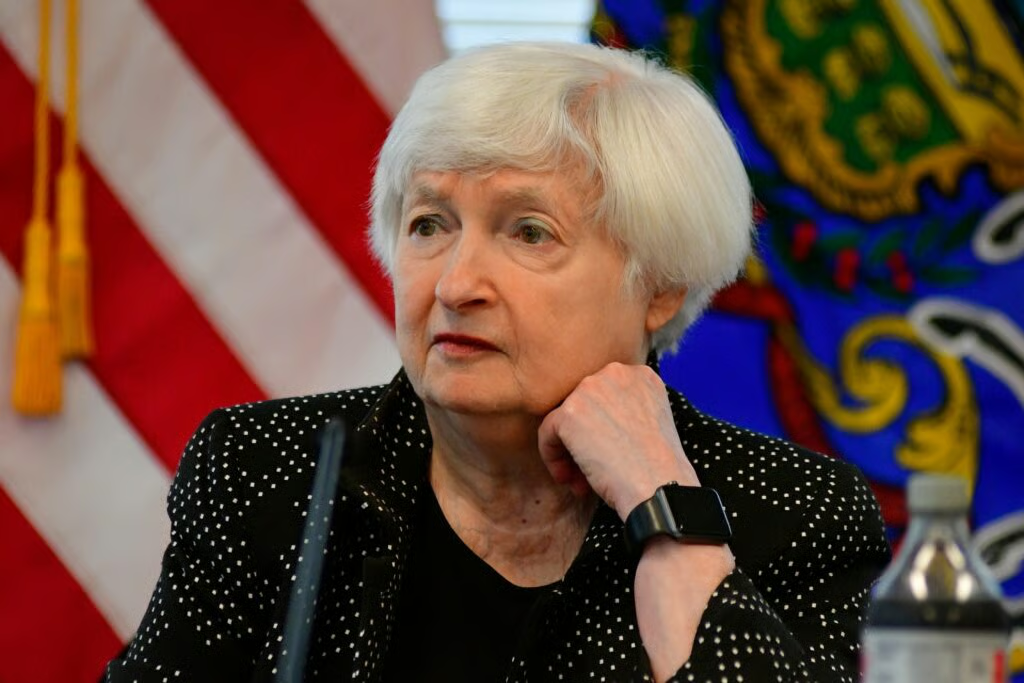
So, here's the thing about the Federal Reserve's interest rate plans: they're trying to thread a needle while the room is on fire. Former U.S. Treasury Secretary Janet Yellen, who knows a thing or two about this, just placed her bet. Speaking in Hong Kong on Wednesday, she said that despite a war-fueled oil shock complicating everything, she still sees a path for one rate cut later this year.
"If I had to write one thing down on a piece of paper… I suppose my guess would be that maybe there would be a cut later in the year," Yellen said. It's a classic central banker move—hedged, conditional, but keeping hope alive for markets that are desperately looking for any sign of relief.
The big complication, of course, is the war in Iran. It's not just a geopolitical event; it's a full-blown economic supply shock. "This is really a broad supply shock," Yellen noted, pointing to ripple effects in gasoline, LNG, fertilizers, food, shipping, and even semiconductors. Crude oil prices have jumped more than 30% since the conflict began, and that helped push U.S. consumer prices up in March by the most in nearly four years.
Normally, that kind of inflation spike would have the Fed slamming on the brakes. But Yellen suggested the central bank might still have room to maneuver because long-term inflation expectations—what people and businesses think prices will do years from now—have stayed relatively stable. The Fed held rates steady in March in the 3.50% to 3.75% range, already signaling just one potential cut was in the cards for 2026.
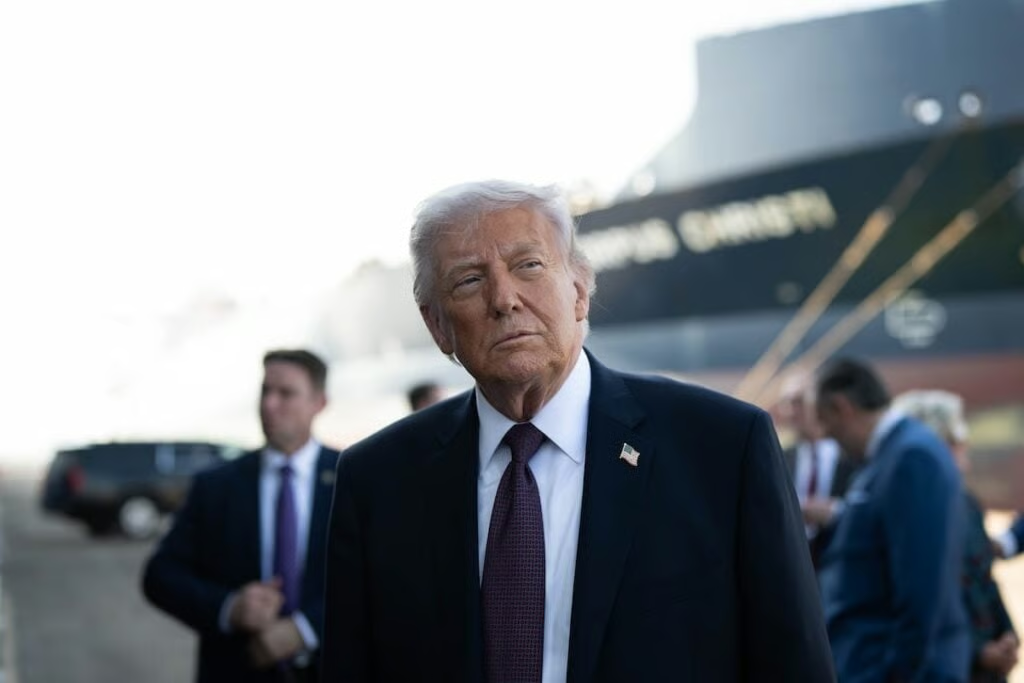
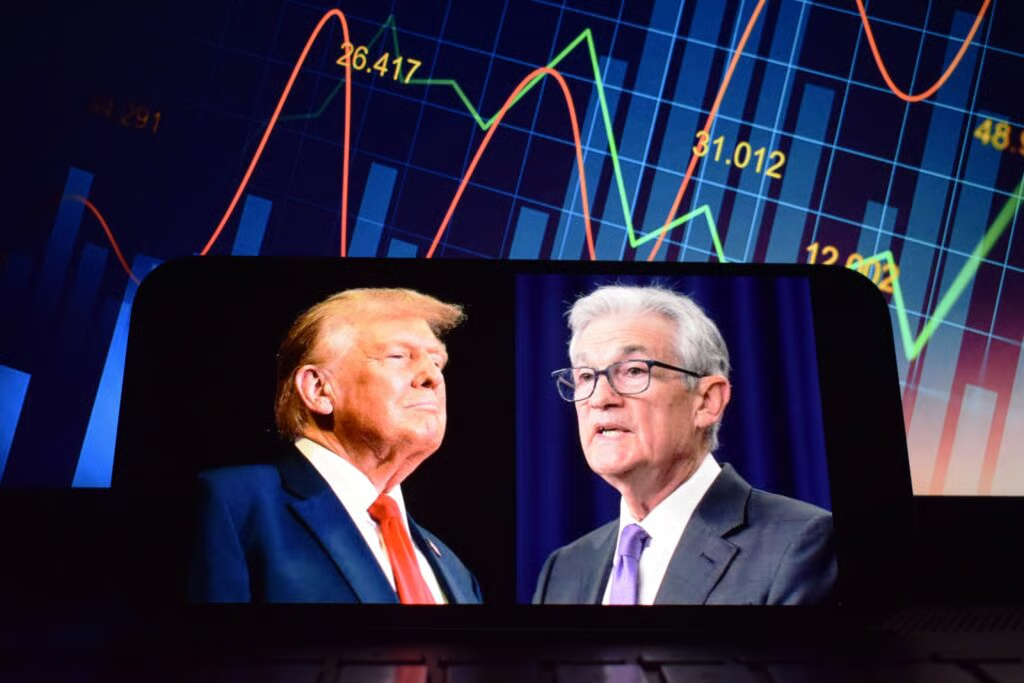
But wait, there's another twist. Yellen sounded a major alarm about political pressure on the Fed, calling out President Donald Trump's very public campaign for lower rates. Trump has repeatedly criticized Fed Chair Jerome Powell and has backed Kevin Warsh as his preferred successor.
"I have never seen a threat of this level to the Fed before," said Yellen, who chaired the central bank from 2014 to 2018. She didn't mince words, calling Trump's aggressive push to cut rates to reduce the cost of U.S. debt the rhetoric of a "banana republic." It's a stark warning about Fed independence from someone who's been in the trenches.
Wrapping up, Yellen also touched on U.S.-China relations, saying she doesn't want to see the two economic giants decouple. In her view, both countries benefit from keeping trade and investment ties intact. So, to recap: one possible rate cut, a war-driven supply shock, and a political firestorm. Just another day for monetary policy.