Here's what's happening in the ongoing U.S.-Israel-Iran conflict as of early Friday. It's a mix of new threats, disputed claims, and some personnel changes that tell a story about where things might be headed.
Late Thursday, President Donald Trump made it clear the U.S. military is just getting started. "Hasn't even started destroying what's left in Iran," he said, promising that bridges and electric power plants are next on the target list. This comes after a U.S. airstrike on a Tehran-Karaj highway bridge on Thursday that caused injuries and damage. So, if you were wondering whether the tempo might slow down, the answer seems to be no.
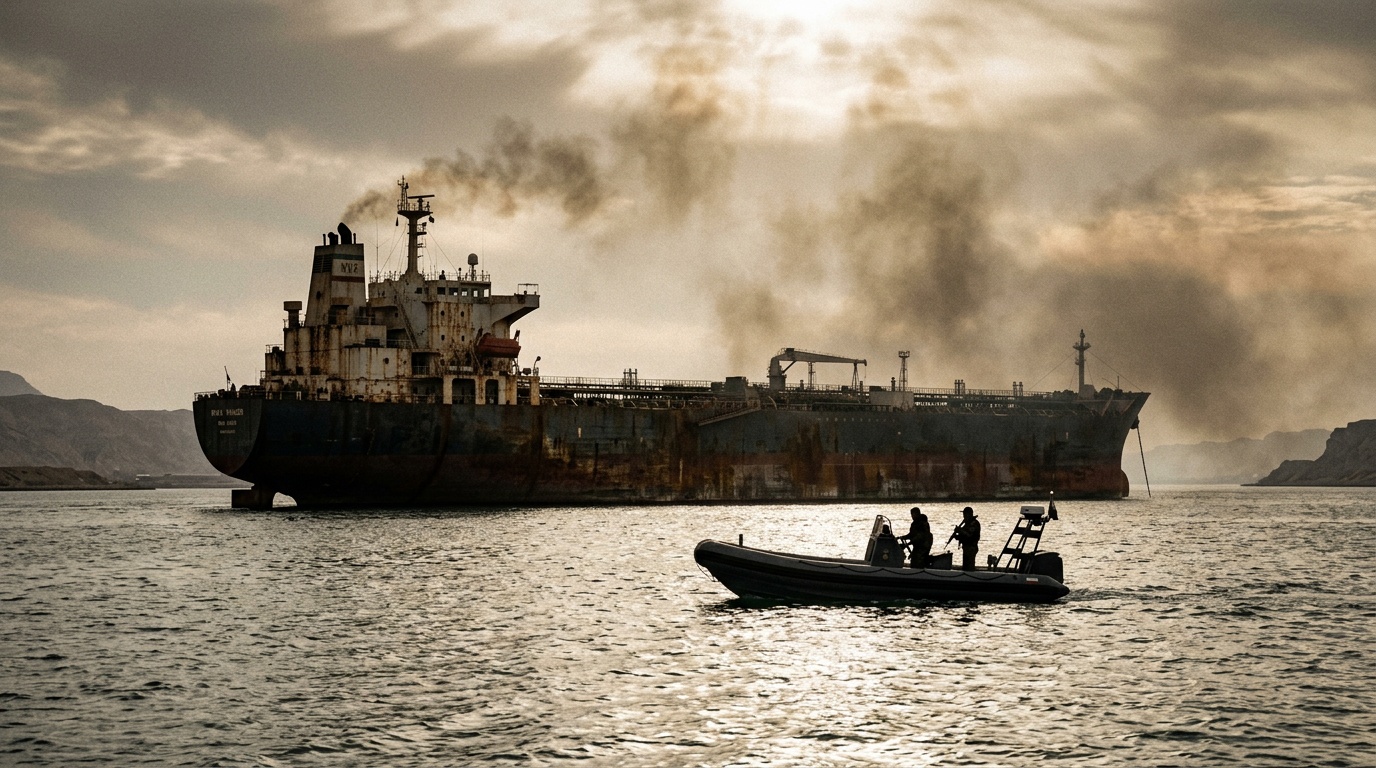
Meanwhile, at the UN, things are getting diplomatic but tense. The Security Council is set to vote today on a resolution, drafted by Bahrain, that would authorize defensive military action to secure shipping in the Strait of Hormuz. It's a crucial waterway for global oil, and it's been a flashpoint. China, however, is opposing the measure, warning it could actually escalate the conflict rather than calm it. It's one of those classic UN moments where the solution might become part of the problem.
A Claim About Oracle, and a Firm Denial
In a development that mixes cyber-warfare with information warfare, Iran's Revolutionary Guards claimed they targeted Oracle Corporation's (ORCL) data centers in Dubai. Their stated reason? Retaliation for Iranian assassinations, and a warning about costs to the U.S. military. But here's where it gets interesting: the Dubai Government Media Office didn't just dismiss it. They firmly rejected the claims and called the reports "fake news."
Oracle did not immediately respond to a request for comment from MarketDash. So, you have an Iranian military claim, a flat denial from a government, and a tech giant staying quiet for now. It's a reminder that in modern conflict, attacks on digital infrastructure—real or claimed—are part of the playbook, and establishing the truth can be the first casualty.
A General Steps Down
Back in Washington, there's a change at the top of the Army. The Pentagon confirmed that General Randy George is stepping down as Army Chief of Staff, effective immediately. Appointed in 2023, George is a West Point graduate and a veteran of Iraq and Afghanistan. His retirement comes amid reports that Defense Secretary Pete Hegseth had sought his removal. When a senior military leader departs suddenly in the middle of a conflict, people tend to notice. It's one of those inside-the-Beltway moves that doesn't make headlines like airstrikes do, but can signal shifts in strategy or internal dynamics.
International Reactions and More Denials
The geopolitical ripple effects continue. Australian Foreign Minister Penny Wong criticized Iran for blocking the Strait of Hormuz, calling it harmful to global communities, "especially the vulnerable." She highlighted diplomatic efforts discussed in a 40-nation virtual meeting aimed at restoring safe access. It's a stance that aligns with the broader international concern over the strait's closure, which jacks up shipping costs and disrupts trade.
On the military front, there was another claim and another denial. The IGRC (Islamic Revolutionary Guard Corps) said it shot down a second U.S. F-35 over central Iran, describing the jet as "completely destroyed" with no information on the pilot. But U.S. Central Command (CENTCOM) was quick to respond, denying the claims and stating plainly that all U.S. fighter aircraft are accounted for. In the fog of war, these conflicting accounts are common, but the U.S. denial here is categorical.
Iran Floats a Monitoring Plan
Perhaps sensing the growing international pressure over the Strait of Hormuz, Iran is proposing a potential diplomatic path. According to reports citing the state-run news agency IRNA, Iran has proposed joint monitoring of the strait with Oman to ensure safer passage. This comes amid significant shipping disruptions and rising transit fees. It's an interesting idea—bringing in a regional neighbor like Oman to help oversee things. Whether it's a genuine offer or a tactical move to ease pressure is an open question, but it's at least a suggestion of dialogue in a situation that has been heavy on threats.
So, to sum up a busy period: The U.S. president is talking about escalating strikes on infrastructure. There's a disputed claim about an attack on a major tech company's assets. A top U.S. general has retired. The UN is voting on a measure that some fear could make things worse. And through it all, the vital Strait of Hormuz remains a choke point and a subject of intense diplomatic and military focus. The conflict that began in late February shows no signs of simplifying.