So, here's the latest from a conflict that seems to be getting messier by the minute. On Tuesday, Iran decided to take its grievances to the global stage, with its UN ambassador making some pretty stark accusations. He claimed that over the last 11 days, the United States and Israel have been bombing civilian sites—like, a lot of them—and that the civilian death toll has passed 1,300.
Speaking to reporters at the UN, Ambassador Amir Saeid Iravani didn't mince words. He accused America and Israel of deliberately targeting civilians, saying almost 10,000 civilian sites have been hit. That includes about 8,000 residential homes. He called the strikes on "populated residential areas" and "critical civilian infrastructure" nothing short of "horrific crimes." It's a sharp escalation in Iran's public narrative, framing the entire campaign as an attack on nonmilitary targets. MarketDash has requested comment from the Department of War and will update if a response is received.
Now, these accusations didn't land in a vacuum. They came as the U.S. military was, quite literally, widening the war in a very specific and economically vital location: the Strait of Hormuz. According to reports, U.S. forces destroyed multiple Iranian naval vessels, including 16 mine-laying ships near the strait. This action followed a very public and all-caps warning from President Donald Trump, telling Tehran to remove any mines "IMMEDIATELY!" if it had deployed them.
Defense Secretary Pete Hegseth framed the move as "eliminating inactive mine-laying vessels" and vowed the U.S. would not let Tehran hold the waterway "hostage." The Pentagon reportedly noted that U.S. strikes have hit over 50 Iranian naval vessels since the war began on Feb. 28. And here's why everyone with a car or a heating bill should care: the Strait of Hormuz normally carries about 20% of the world's oil. Before the war, about 37 tankers passed through daily. Last week, that number reportedly fell to zero.
Just to add a fresh layer of confusion and market jitters to the mix, the White House had to clean up a messaging mess. Energy Secretary Chris Wright posted on social media claiming a U.S. naval escort had taken an oil tanker through Hormuz. That post was quickly deleted. White House press secretary Karoline Leavitt then told reporters, "The United States has not yet escorted any oil tankers or vessels through the Strait of Hormuz." The Energy Department later said Wright's post was removed because staff had "incorrectly captioned" a video.
Reports also suggest the Navy has been refusing near-daily industry requests for escorts because the threat level in the region is simply too high. So, no official escorts, conflicting messages from officials, and a vital shipping lane that's effectively closed for business.
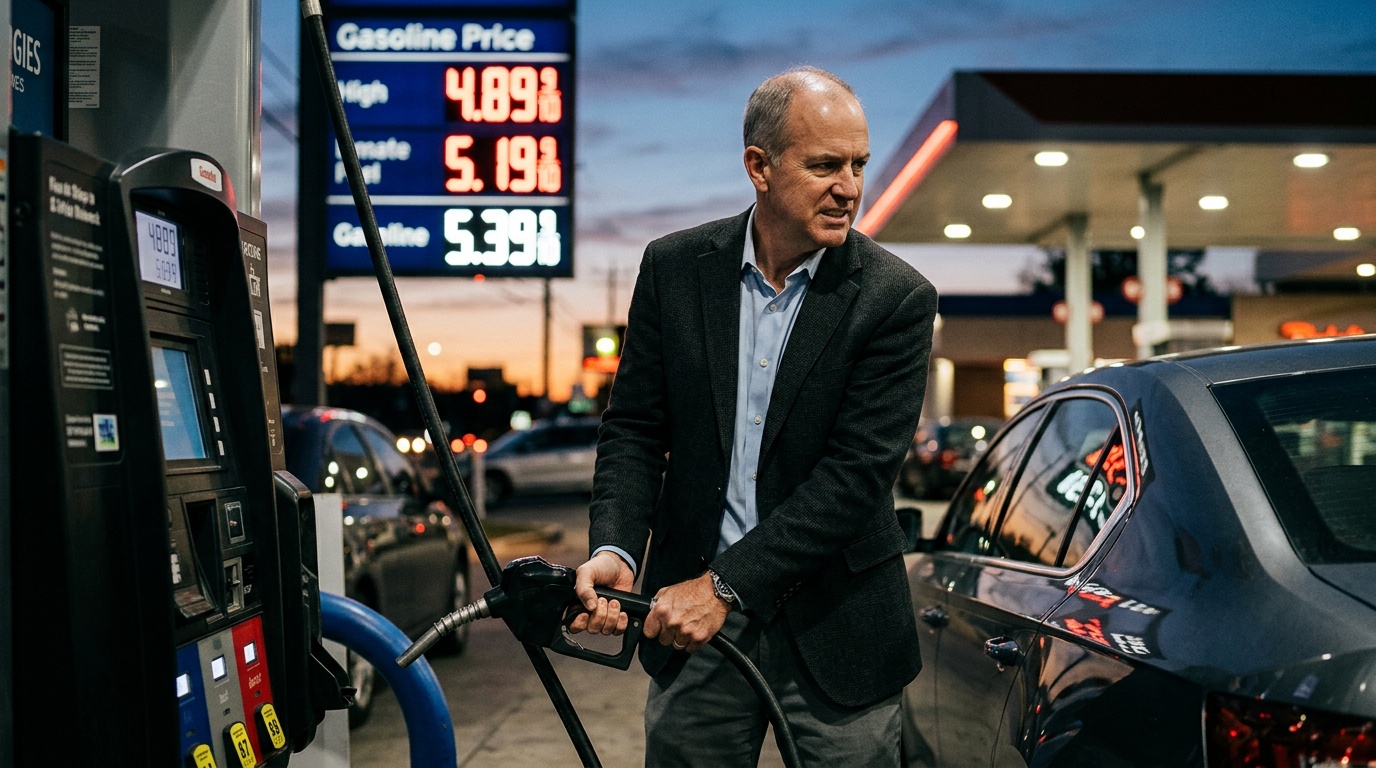
With all this unfolding, oil prices did what you might expect: they ticked up, albeit modestly. At the time of writing, WTI Crude for April was up 0.54% to $83.86 per barrel, while Brent crude gained 0.61% to $88.33. It's a reminder that in geopolitics, the story isn't just about accusations and military strikes—it's also about what happens to the price of the stuff that keeps the global economy moving.