






Here's a problem governments worldwide are wrestling with: public debt keeps climbing, and the traditional playbook isn't cutting it anymore. So what's the new idea? Look to where the money actually is—private wealth.
Governments Eye Private Wealth as National Debt Balloons Past $100 Trillion
MarketDash
With global public debt exceeding $100 trillion and trillions more set to change hands through inheritance, governments are exploring ways to tap private wealth through everything from tax-free bonds to capital gains levies.
Get Market Alerts
Weekly insights + SMS alerts
The Carrot Approach to Government Financing
According to UBS chief economist Paul Donovan, one strategy involves making it attractive for wealthy individuals to voluntarily park their money in government bonds. Think tax-free premium bonds that incentivize channeling private savings into state financing. Donovan discussed this approach during a roundtable on the 2026 economic outlook, pointing to historical precedent like the UK's post-1945 efforts.
But there's also a stick. Donovan acknowledged that governments might pursue more aggressive measures—taxing wealth through capital gains or inheritance levies. And the timing makes sense from a policy perspective: somewhere between $80 trillion and $124 trillion is expected to change hands over the coming decades as baby boomers pass wealth to the next generation. That's a massive transfer governments are eyeing to address mounting fiscal pressures.
The Debt Problem Gets Real
Global public debt has blown past $100 trillion, and politicians are scrambling for solutions. President Trump has leaned on tariffs to boost revenue, while UK Chancellor Rachel Reeves has called for collective action to strengthen public finances, emphasizing that individuals need to contribute to secure the nation's future.
The U.S. situation is particularly stark—national debt stands at $38 trillion. Richard Haass, president of the Council on Foreign Relations, warned this could trigger a "national security crisis," constraining resource allocation and weakening American leverage internationally.
Competing Visions for the Path Forward
Elon Musk and President Trump have proposed contrasting strategies to tackle the fiscal mess. Musk champions technology-driven growth as the solution, while Trump continues betting on tariff revenue to chip away at the debt.
Economist Ray Dalio has forecasted major economic disruptions stemming from this debt surge, underscoring how urgent the situation has become. As debt levels continue their upward march, tapping into private wealth—whether through incentives or taxation—may evolve from policy experiment to fiscal necessity for governments around the globe.
More News

Trump Warns Iran of Economic Collapse or Worse, Tehran Threatens US Bases as Brent Sits at $102
Trump Wants to Rename AI Because 'Artificial Intelligence' Is 'Very Ineloquent' — And He's Letting the Internet Vote
Elizabeth Warren Says 'We Will Win in November' — What Crypto Bettors Think About Democrats' Midterm Odds

US-Greenland Deal Opens a Rare Earth Frontier, But the Arctic Doesn't Do Easy
Hakeem Jeffries Torches Trump and Republicans Over Rising Gas, Grocery, Housing and Health Costs: 'America Is Way Too Expensive'
Elissa Slotkin Calls for 'Legal, Vetted Immigrants' to Help US Economy: 'We're Getting Older'
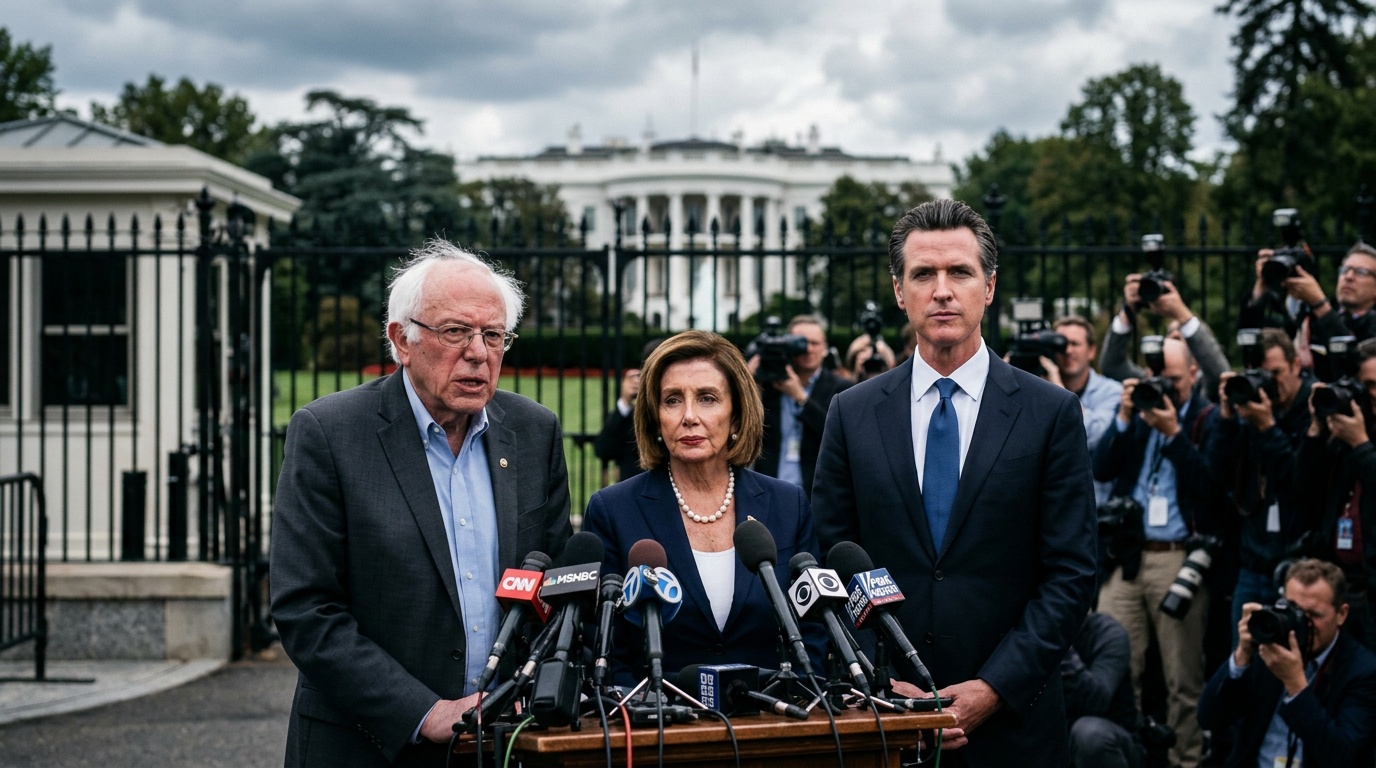
Sanders, Pelosi and Newsom Blast Trump's White House Press Ban: 'We Will Not Accept Authoritarianism'

Macron Meets Carney Amid Trump Map Row, Sanders Slams Trump's Ban On Reporters and More: This Week in Politics
Get Market News Alerts
Real-time alerts on price moves, news, and trading opportunities.
Join 20,000+ investors. No spam, ever.
Featured Articles
View all newsTrump Warns Iran of Economic Collapse or Worse, Tehran Threatens US Bases as Brent Sits at $102
By MarketDash
September 21, 2026

He Found Rolls-Royce Below $2. Now He’s Found His Second Unicorn. (Ad)
By The Oxford Club
Trump Wants to Rename AI Because 'Artificial Intelligence' Is 'Very Ineloquent' — And He's Letting the Internet Vote
By MarketDash
September 21, 2026
Elizabeth Warren Says 'We Will Win in November' — What Crypto Bettors Think About Democrats' Midterm Odds
By MarketDash
September 21, 2026
US-Greenland Deal Opens a Rare Earth Frontier, But the Arctic Doesn't Do Easy
By MarketDash
September 20, 2026
Hakeem Jeffries Torches Trump and Republicans Over Rising Gas, Grocery, Housing and Health Costs: 'America Is Way Too Expensive'
By MarketDash
September 20, 2026
Elissa Slotkin Calls for 'Legal, Vetted Immigrants' to Help US Economy: 'We're Getting Older'
By MarketDash
September 20, 2026
Sanders, Pelosi and Newsom Blast Trump's White House Press Ban: 'We Will Not Accept Authoritarianism'
By MarketDash
September 20, 2026