






If you're wondering why your 2026 tax refund might feel like a pleasant surprise, blame it on a new batch of tax breaks that just went into effect for 2025. The average refund could jump by about $1,000 next spring, and for once, the timing actually works in taxpayers' favor.
Your 2026 Tax Refund Could Be $1,000 Bigger — Here's Why
MarketDash
A new tax law signed by President Trump could boost average refunds by roughly $1,000 next spring, with middle- and upper-middle-income households seeing the biggest windfalls from changes to overtime, tips, and state tax deductions.
Get Market Alerts
Weekly insights + SMS alerts
Wall Street Sees Record-Breaking Refund Season Ahead
Financial firm Piper Sandler crunched the numbers and projects the average refund will climb from roughly $3,151 this filing season to approximately $4,151 when Americans file their 2025 returns in early 2026. That's a gain of about one-third, putting next year's refund season among the most generous on record. And this comes after several years where the IRS has already been cutting checks that average north of $3,000.
How Trump's Tax Law Created Retroactive Savings
The bump comes courtesy of the "One Big Beautiful Bill Act," President Donald Trump's tax-and-spending legislation signed in July. The law retroactively cuts 2025 taxes by eliminating federal income tax on certain overtime and tipped wages, and it raises the state and local tax deduction cap from $10,000 to $40,000.
Here's the kicker: most workers haven't adjusted their paycheck withholding to account for these midyear changes. That means they're effectively overpaying throughout the year, and they'll get the difference back as a fatter refund next spring. Piper Sandler's Don Schneider noted in an October podcast that total refunds could balloon from about $270 billion in a typical year to roughly $360 billion.
Who Benefits Most? Follow the Income Brackets
Not everyone gets an equal slice of the refund pie. Bipartisan analysts at the Committee for a Responsible Federal Budget point out that the structure of these new breaks heavily favors middle- and upper-middle-income households. Households earning between about $60,000 and $400,000 stand to see the biggest dollar gains.
The SALT deduction increase especially helps higher earners who itemize and face hefty property and income taxes. Meanwhile, very high earners lose some benefits due to income phase-outs, and many low-income filers gain little because they don't itemize or owe much income tax to begin with.
This pattern echoes earlier Tax Policy Center research showing that broad income-tax cuts tend to benefit wealthier households disproportionately, while lower-income families typically rely more on targeted credits like the Earned Income Tax Credit and Child Tax Credit.
More News

Trump Warns Iran of Economic Collapse or Worse, Tehran Threatens US Bases as Brent Sits at $102

Trump Wants to Rename AI Because 'Artificial Intelligence' Is 'Very Ineloquent' — And He's Letting the Internet Vote

Elizabeth Warren Says 'We Will Win in November' — What Crypto Bettors Think About Democrats' Midterm Odds

US-Greenland Deal Opens a Rare Earth Frontier, But the Arctic Doesn't Do Easy
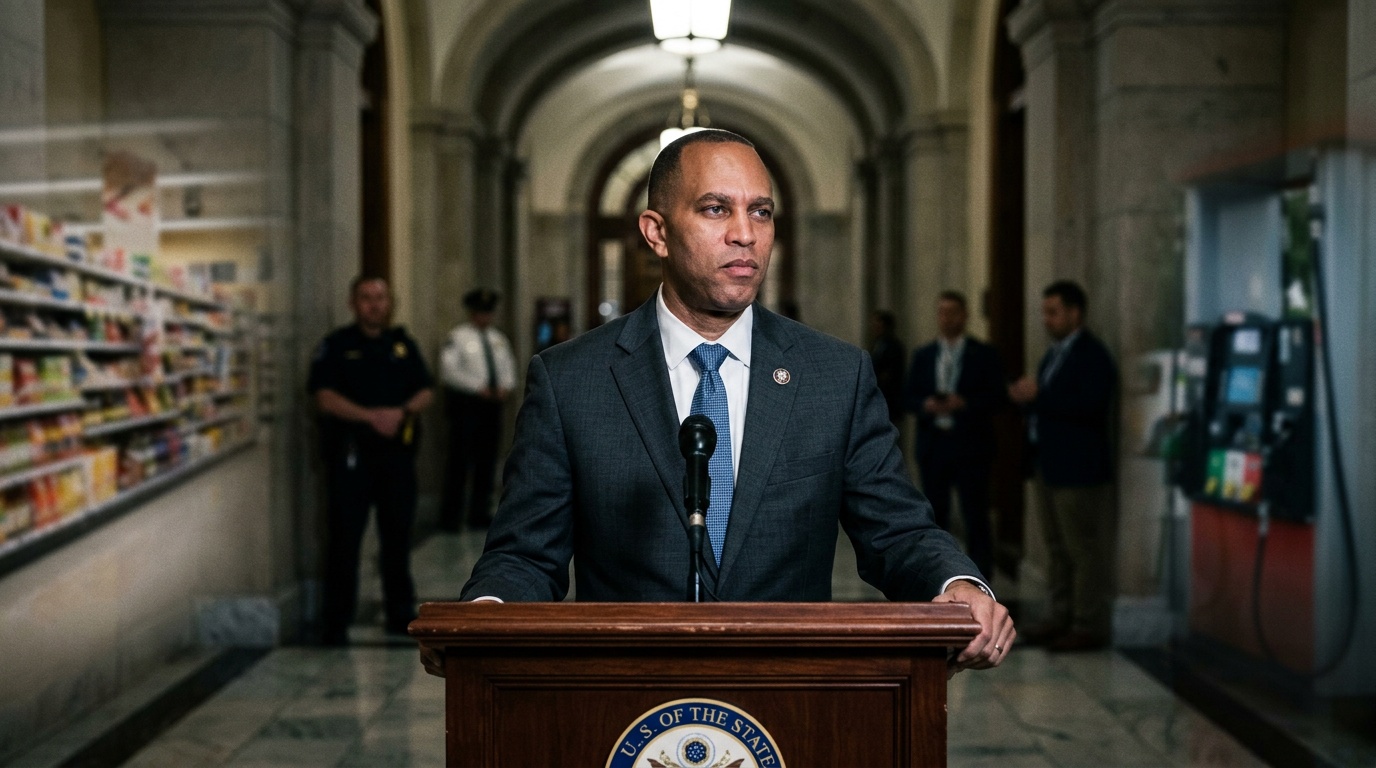
Hakeem Jeffries Torches Trump and Republicans Over Rising Gas, Grocery, Housing and Health Costs: 'America Is Way Too Expensive'

Elissa Slotkin Calls for 'Legal, Vetted Immigrants' to Help US Economy: 'We're Getting Older'

Sanders, Pelosi and Newsom Blast Trump's White House Press Ban: 'We Will Not Accept Authoritarianism'

Macron Meets Carney Amid Trump Map Row, Sanders Slams Trump's Ban On Reporters and More: This Week in Politics
Get Market News Alerts
Real-time alerts on price moves, news, and trading opportunities.
Join 20,000+ investors. No spam, ever.
Featured Articles
View all newsTrump Warns Iran of Economic Collapse or Worse, Tehran Threatens US Bases as Brent Sits at $102
By MarketDash
September 21, 2026

He Found Rolls-Royce Below $2. Now He’s Found His Second Unicorn. (Ad)
By The Oxford Club
Trump Wants to Rename AI Because 'Artificial Intelligence' Is 'Very Ineloquent' — And He's Letting the Internet Vote
By MarketDash
September 21, 2026
Elizabeth Warren Says 'We Will Win in November' — What Crypto Bettors Think About Democrats' Midterm Odds
By MarketDash
September 21, 2026
US-Greenland Deal Opens a Rare Earth Frontier, But the Arctic Doesn't Do Easy
By MarketDash
September 20, 2026
Hakeem Jeffries Torches Trump and Republicans Over Rising Gas, Grocery, Housing and Health Costs: 'America Is Way Too Expensive'
By MarketDash
September 20, 2026
Elissa Slotkin Calls for 'Legal, Vetted Immigrants' to Help US Economy: 'We're Getting Older'
By MarketDash
September 20, 2026
Sanders, Pelosi and Newsom Blast Trump's White House Press Ban: 'We Will Not Accept Authoritarianism'
By MarketDash
September 20, 2026