President Donald Trump used the APEC stage in Shenzhen, China, to make one thing clear: the United States is not interested in anyone else writing the rulebook for artificial intelligence.
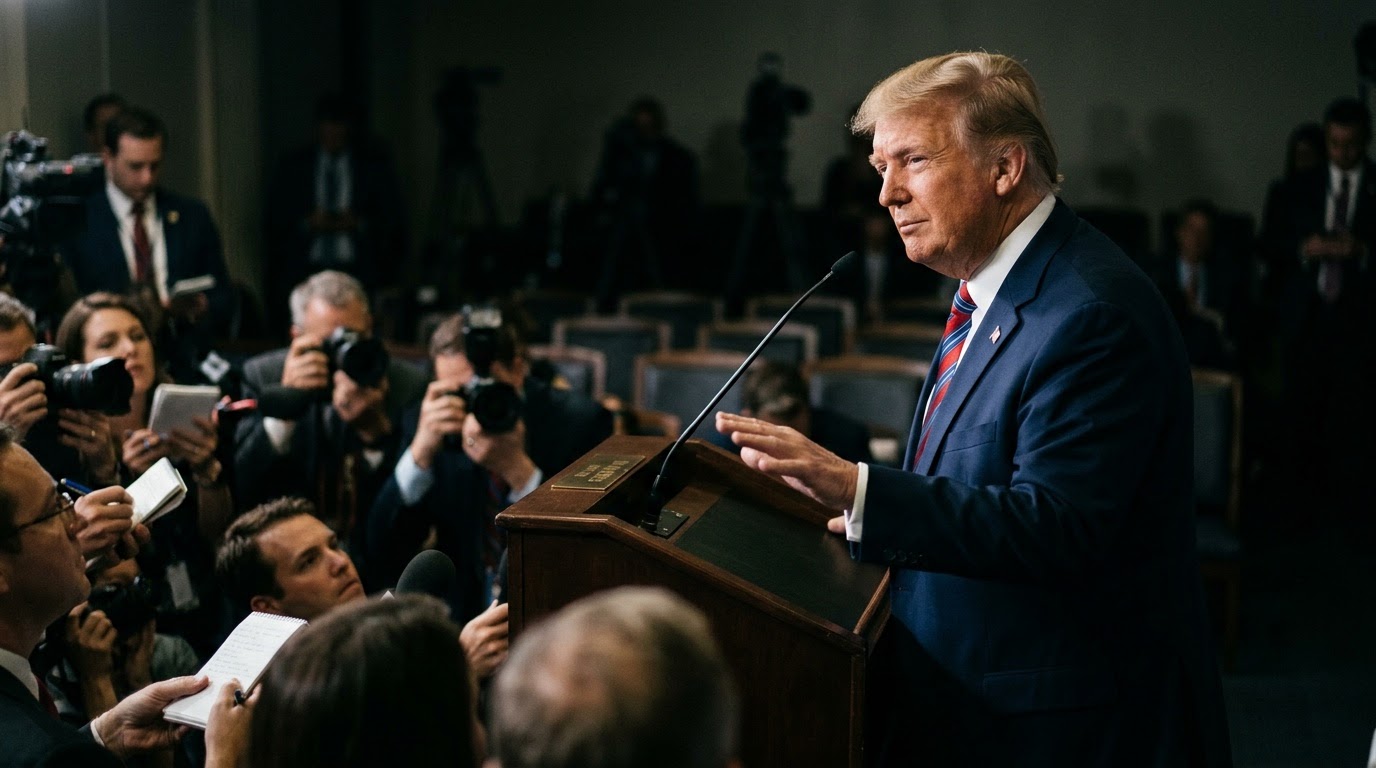
Speaking Thursday at the 33rd APEC Economic Leaders' Meeting, Trump rejected what he called 'globalist regulation' of AI. He said Washington would not let international initiatives control or stifle the technology, which he referred to as 'SI,' or superintelligence. The U.S., he reminded the room, invented AI and leads the world in it.
“We won’t allow that to happen, frankly,” he said.
Trump framed superintelligence as the most consequential technological transformation since the Industrial Revolution. But he also acknowledged the risks, describing the technology as 'almost completely good' while containing “bad elements” that need careful handling.
“It’s super intelligence, but we have to watch it. We have to be careful. We have to cherish it,” Trump added.
US Tightens China AI Access Controls
Trump's comments didn't come out of nowhere. They landed just days after Washington moved to tighten China's access to advanced AI infrastructure.
On Monday, the Commerce Department issued an interim final rule requiring a license to ship advanced AI chips to Indonesia, Malaysia, Singapore, Thailand and Brazil. Washington says these five countries 'present a higher-than-normal risk of diversion.'
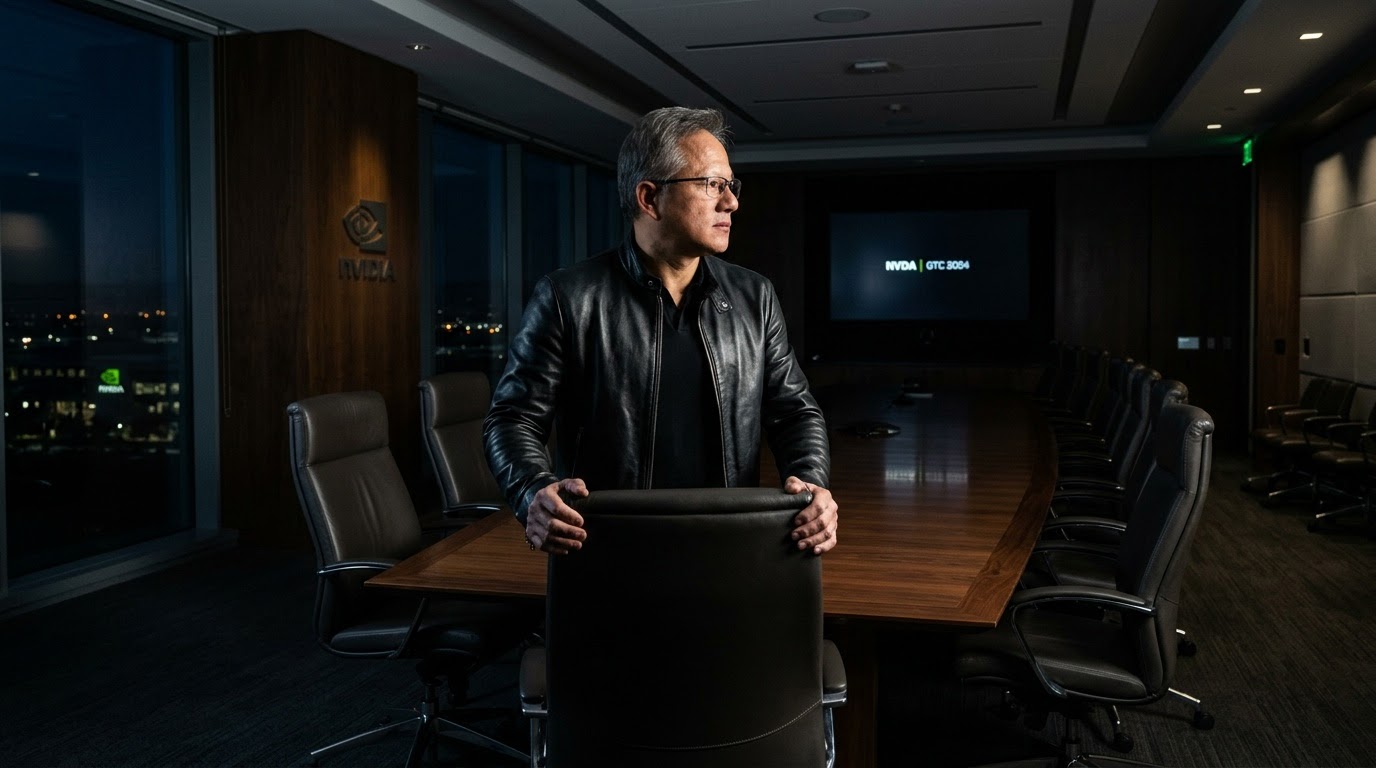
The rule targets overseas data centers that rent computing power to Chinese companies, closing a loophole that let those firms access advanced Nvidia Corp (NVDA) chips through third-party facilities. It restricts shipments to facilities exceeding 12 million aggregate Total Processing Performance (TPP) units and gives existing operators 90 days to obtain licenses and verify customer ownership.
The administration has also reportedly advanced plans to restrict Chinese data-center equipment, despite warnings from major U.S. technology companies including Amazon.com Inc. (AMZN), Alphabet Inc. (GOOGL), Meta Platforms Inc. (META), CoreWeave Inc. (CRWV), Cisco Systems Inc. (CSCO) and Microsoft Corp. (MSFT) that compliance could take years.
Earlier, Trump urged senators to pass the American Affordability and Jobs Act, which he says would speed up energy projects, lower costs and require data centers to pay for their own electricity and invest in surrounding communities. He called the bill a boost to U.S. energy dominance and warned that China could attract data center investments rejected by the U.S.