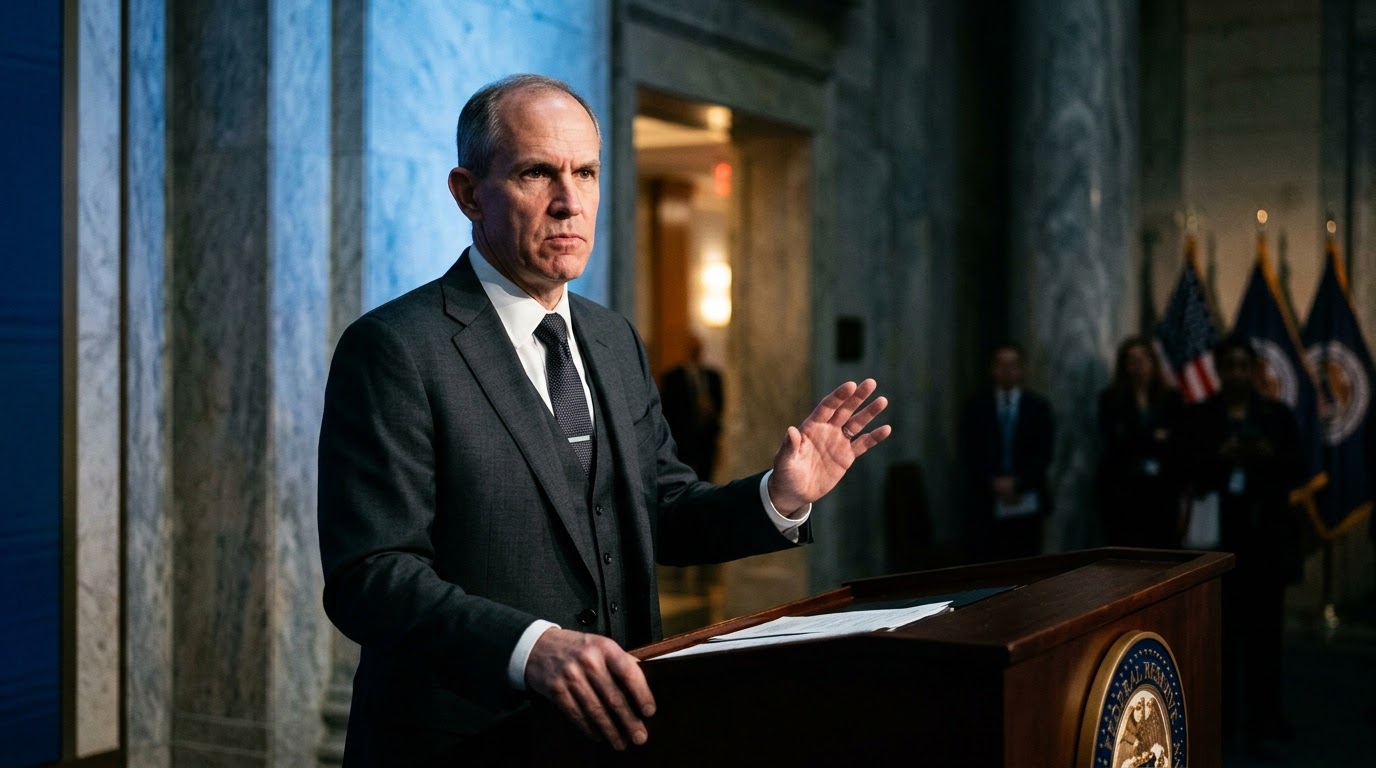
Rep. Ro Khanna (D-Calif.) has a simple pitch: expanding Medicare to people as young as 50 would cost $180 billion, and that's a bargain compared with what the House just approved for the military.
In a Tuesday post on X, Khanna shared a video making the case for healthcare spending over defense spending. He wrote that the Medicare expansion would cost $70 billion less than the $250 billion budget increase for the Department of War that the House passed. His conclusion was blunt: "I'm for healthcare over warfare."
In the clip, Khanna opened with a line that leaves little room for interpretation: "I am for Medicare for All."
Democrats Line Up Behind Expanding Medicare
Khanna isn't out on this limb alone. Sen. Tammy Baldwin (D-Wis.) recently urged lawmakers to lower the eligibility age to 50, noting she had introduced a bill to do exactly that.
Newly elected Sen. Abdul El-Sayed (D-Mich.) has sketched out something broader: add dental, vision and hearing coverage, close the gaps in Medicare, and extend coverage to children and people under 55. Sen. Bernie Sanders (I-Vt.) has separately described lowering the eligibility age to 55 as an immediate step toward Medicare for All.
So the party is converging on the same idea from several directions, with different ages and different scopes. The through line is expansion.
The Price Tag Fight
That's where the argument gets expensive. The Trump administration has been quick to criticize the cost of wider coverage. Centers for Medicare & Medicaid Services Administrator Dr. Mehmet Oz cited a Council of Economic Advisers estimate that Medicare for All could cost $47 trillion over a decade. He argued that proposed Democratic tax increases could still leave a funding gap of roughly $25 trillion.
Marc Goldwein, senior vice president and senior policy director at the Committee for a Responsible Federal Budget, has separately estimated that financing Medicare for All could require a payroll tax in the high 20% range. His earlier estimates put the program's cost between $20 trillion and $40 trillion over a decade, depending on how it's designed.
Which is the whole ballgame here. Khanna's $180 billion figure covers one specific slice, lowering the eligibility age to 50. The trillion-dollar estimates cover the full Medicare for All universe. Both sides are quoting real numbers, just about different things, and the gap between those two conversations is where this debate will actually be settled.