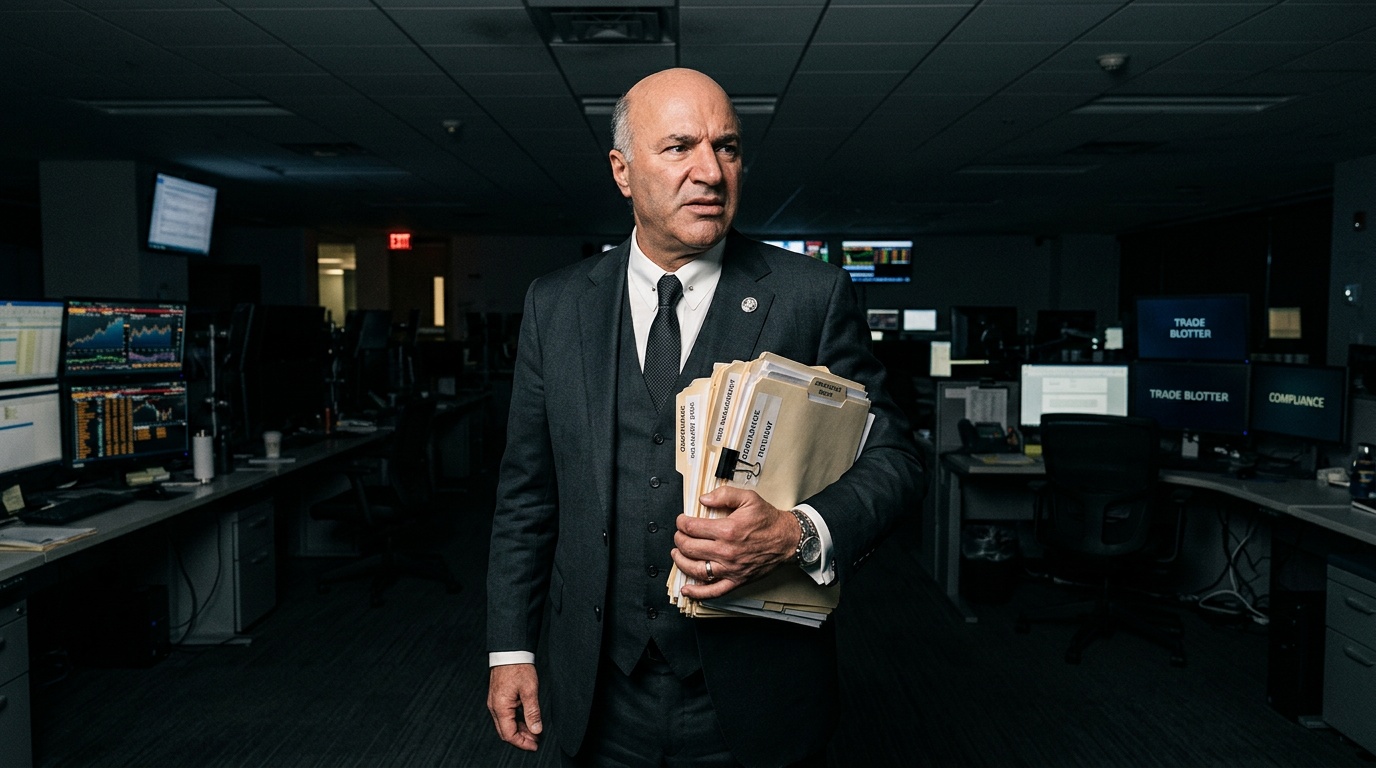
Sen. Rick Scott (R-Fla.) has a message for his colleagues in Washington: cancel the early vacation and get to work on the cost of living.
In a post on X on Wednesday, Scott laid out the financial reality for American households, noting that "63% of Americans live paycheck to paycheck."
"Washington hasn't worked hard enough to make life more affordable for them," he wrote.
Scott argued there's still time to deliver results, urging lawmakers to "stay here and GET TO WORK for as long as it takes" to address the issues squeezing American families.
He named three priorities for Congress: "lower the cost of living, balance the budget, create good-paying jobs."
"That should be our focus EVERY DAY between now and January," Scott added.
The affordability debate is getting loud
Scott's push lands in the middle of a broader argument over whether the affordability crisis is real, exaggerated, or something in between.
Last month, White House economic adviser Kevin Hassett called the affordability crisis "a myth," arguing that Americans were "a trillion dollars better off" under President Donald Trump after adjusting for inflation.
J.P. Morgan, meanwhile, said housing costs have outpaced incomes for decades, with homeownership among Americans under 35 falling to a nine-year low of 35%.
In August, Sen. Rand Paul (R-Ky.) blamed inflation for affordability concerns, pointing to the $2 trillion federal deficit and Federal Reserve money creation.
"Every new dollar that's printed dilutes the value of the money in our pockets," he said.
Zandi's warning: a fiscal reckoning
Last week, Moody's Analytics Chief Economist Mark Zandi said October's strong jobs report gave the Federal Reserve "latitude to raise rates." He also warned that mortgage rates above 7% had left the housing market "frozen solid," while suggesting a cooling AI boom could ease inflationary pressures.
In October, the U.S. recorded a $1.992 trillion fiscal 2026 budget deficit, with interest payments exceeding defense spending. Zandi warned of a "fiscal reckoning," calling the primary deficit "eye-popping" and blaming rising interest costs on the "ballooning debt load."
So Scott wants Congress to stay put and fix affordability, Hassett says the crisis is a myth, Paul points at the printing press, and Zandi is watching the debt clock. The one thing everyone seems to agree on: the numbers are big, and the clock is ticking toward January.