Medicare beneficiaries are staring down a sharp increase in prescription drug costs next year, and the window to do something about it is already open. Stand-alone Medicare Part D premiums are projected to average $51 per month in 2027, up 50% from $34 this year, based on estimates from KFF released last Friday.
Open enrollment began Oct. 15 and continues through Dec. 7. Across eight national prescription drug plans, projected monthly premiums range from about $6 to $204, according to KFF. That is a wide spread, and it is the whole point: the plan you have may no longer be the plan you want.
Juliette Cubanski, a vice president and director of the program on Medicare policy at KFF, put it plainly: "With some plans increasing premiums substantially, the stakes are higher this year for people with Medicare stand-alone drug coverage if they sit on the sidelines during open enrollment."
About 76% of stand-alone plan enrollees without low-income subsidies, representing 10.4 million people, are expected to pay more in 2027 if they take no action. That compares with 56% facing increases in 2026. In other words, inertia is about to get more expensive.
KFF also found that 65% of beneficiaries did not compare coverage last year. Nearly all stand-alone plan enrollees are projected to face deductibles in 2027, in addition to higher monthly premiums. Cubanski said relatively low-premium PDP options were available, but warned that beneficiaries facing steep premium increases "need to take action" to avoid paying significantly more.
Trump Pushes Drug Pricing Overhaul
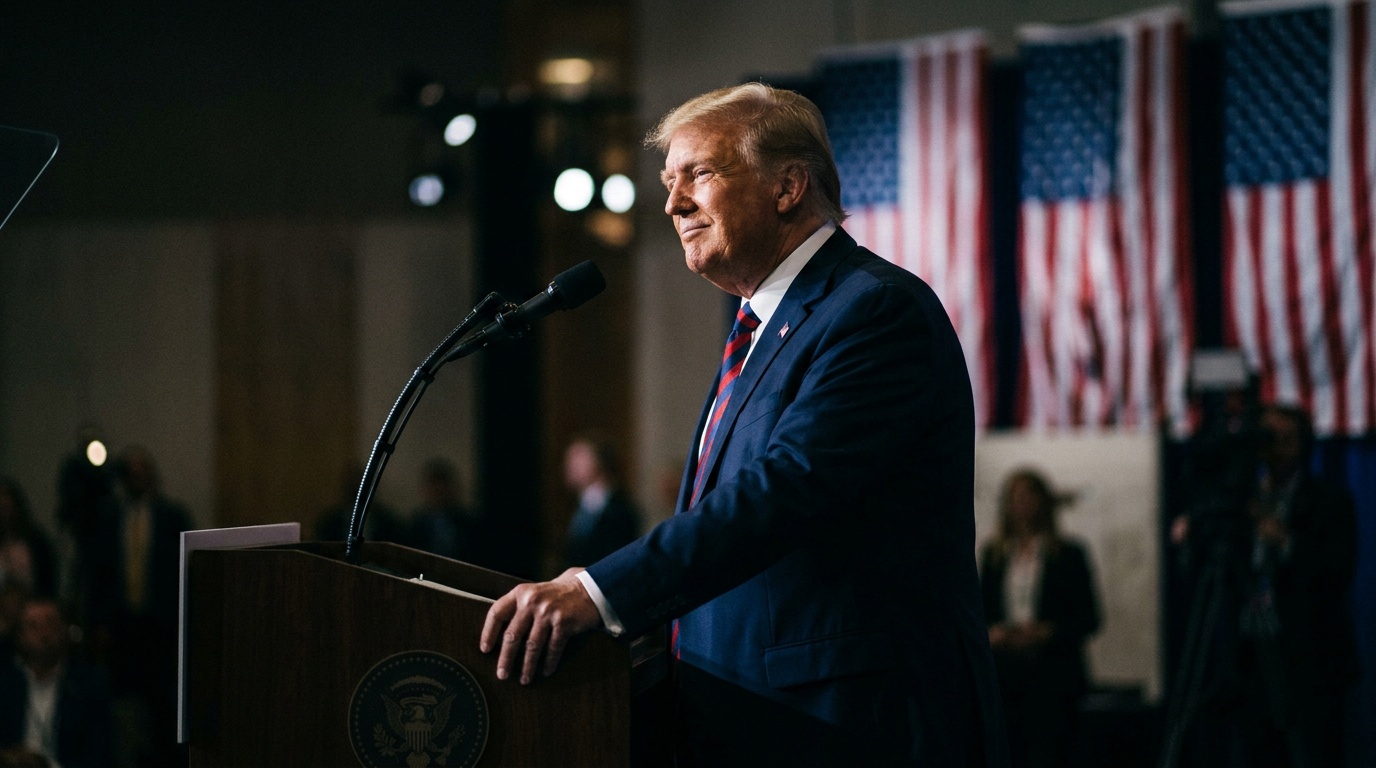
Rising drug costs added to voter frustration over affordability during the midterm elections. Meanwhile, President Donald Trump has touted his administration's pharmaceutical pricing negotiations on several occasions.
In September, Trump announced new drug pricing agreements with 9 pharmaceutical companies, bringing the total number of companies participating in his administration's deals to 26. The agreements aim to align U.S. drug prices with lower international rates and require discounts on outpatient medicines across all state Medicaid programs.
Over the past year, pharmaceutical giants like Pfizer Inc. (PFE), Eli Lilly And Co (LLY) and Novo Nordisk A/S (NVO) have joined the administration's "most favored nation" policy.
Last month, it was reported that the Labor Department is set to require pharmacy benefit managers (PBMs) to disclose to employer clients how they are paid, including drug purchase prices and payments received from drugmakers. The proposed rule aims to lower healthcare costs by addressing long-standing concerns over PBMs' lack of transparency.
Cuban, Khanna Push for Health Care Reform
Mark Cuban voiced support for universal healthcare, contrasting the U.S. system's broad availability for some with other countries' efforts to make care accessible to all. He called for healthcare stakeholders to work on reducing costs and expanding access, while questioning whether Medicare for All, global budgets, or another model offers the best path forward.
Rep. Ro Khanna (D-Calif.) called for Medicare for All, alongside a $25 living wage and higher taxes on billionaires, as part of a progressive agenda following Democrats' victories in both chambers of Congress in the 2026 midterm elections.