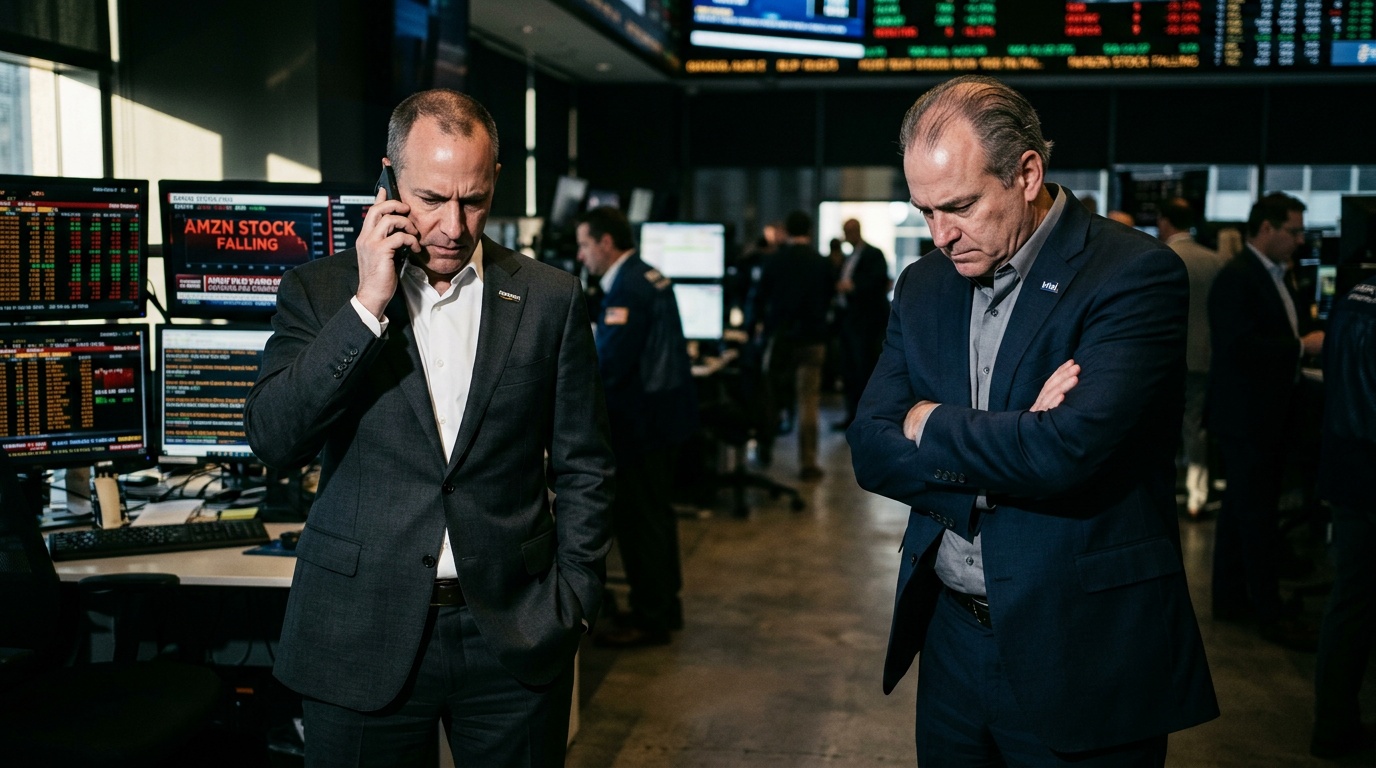
Selling stocks during a market pullback can lock in losses just before a rebound, but staying fully exposed leaves portfolios vulnerable to another leg down. Investors looking to protect their holdings without liquidating them have another option: exchange-traded funds designed to profit from falling markets or rising volatility.
Three tickers offer different approaches, with important trade-offs.
SH: Offers Direct S&P 500 Protection
The ProShares Short S&P500 (NYSE: SH) is the most direct fit for investors seeking to hedge broad U.S. equity exposure. It targets the inverse of the S&P 500's daily performance, aiming to gain approximately 1% before fees and expenses when the index falls 1% in a single trading day.
That exposure can help offset some losses in an S&P 500-heavy portfolio without requiring investors to sell their underlying holdings. The size of the position matters, however: a small allocation may provide only limited protection, while a larger one could erode gains if stocks rebound.
SH also resets its target daily, meaning its returns over longer periods can diverge significantly from the inverse of the index's cumulative performance, particularly when markets swing repeatedly.
PSQ: Targets Technology-Heavy Exposure
Investors whose portfolios lean heavily toward technology and growth stocks may consider the ProShares Short QQQ (NYSE: PSQ). Unlike SH, PSQ targets the inverse of the Nasdaq-100's daily performance, providing exposure to a different segment of the equity market.
That distinction matters when technology stocks lead a sell-off. PSQ could help offset losses tied to Nasdaq-100 exposure, but it is not a precise hedge for an S&P 500 portfolio. Its effectiveness depends on how closely the investor's holdings move with the Nasdaq-100, and it carries the same daily-reset risks as other inverse funds.
VIXY: Offers a Volatility Trade
The VIX Short-Term Futures ETF (BATS: VIXY) takes a different approach. Rather than directly shorting a stock index, it tracks an index of short-term VIX futures contracts, which reflect market expectations for future volatility.
VIXY may benefit when those futures rise sharply during a market scare, potentially providing a counterweight to equity losses. But it does not directly track the VIX index, and futures-rolling costs and volatility reversals can erode its value over time.
For investors, the choice depends on the risk they want to offset: SH targets broad-market declines, PSQ focuses on Nasdaq-100 weakness, and VIXY provides volatility exposure.
The SEC warns that inverse ETFs can deviate significantly from their daily objectives over longer holding periods. Investors should weigh hedge size, costs and time horizon before using any of these funds to protect a portfolio.