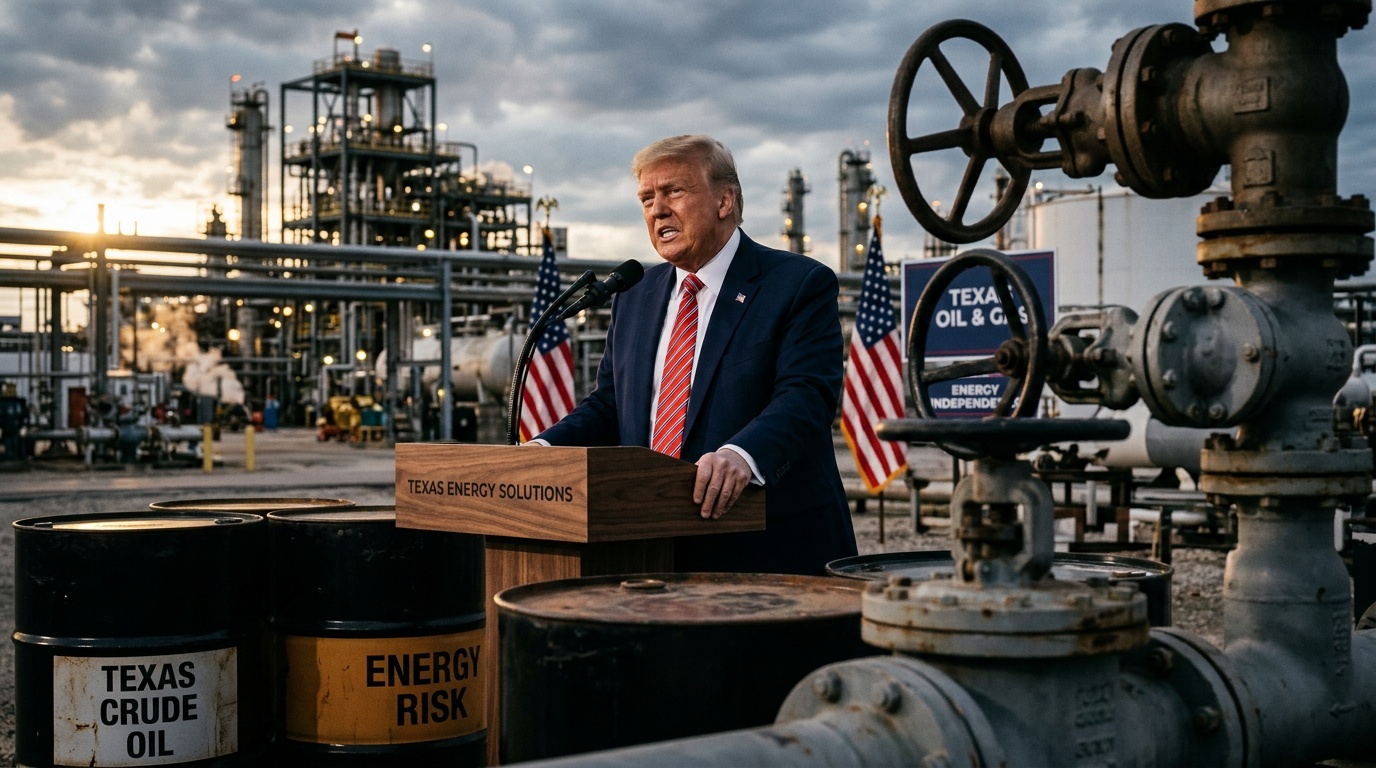
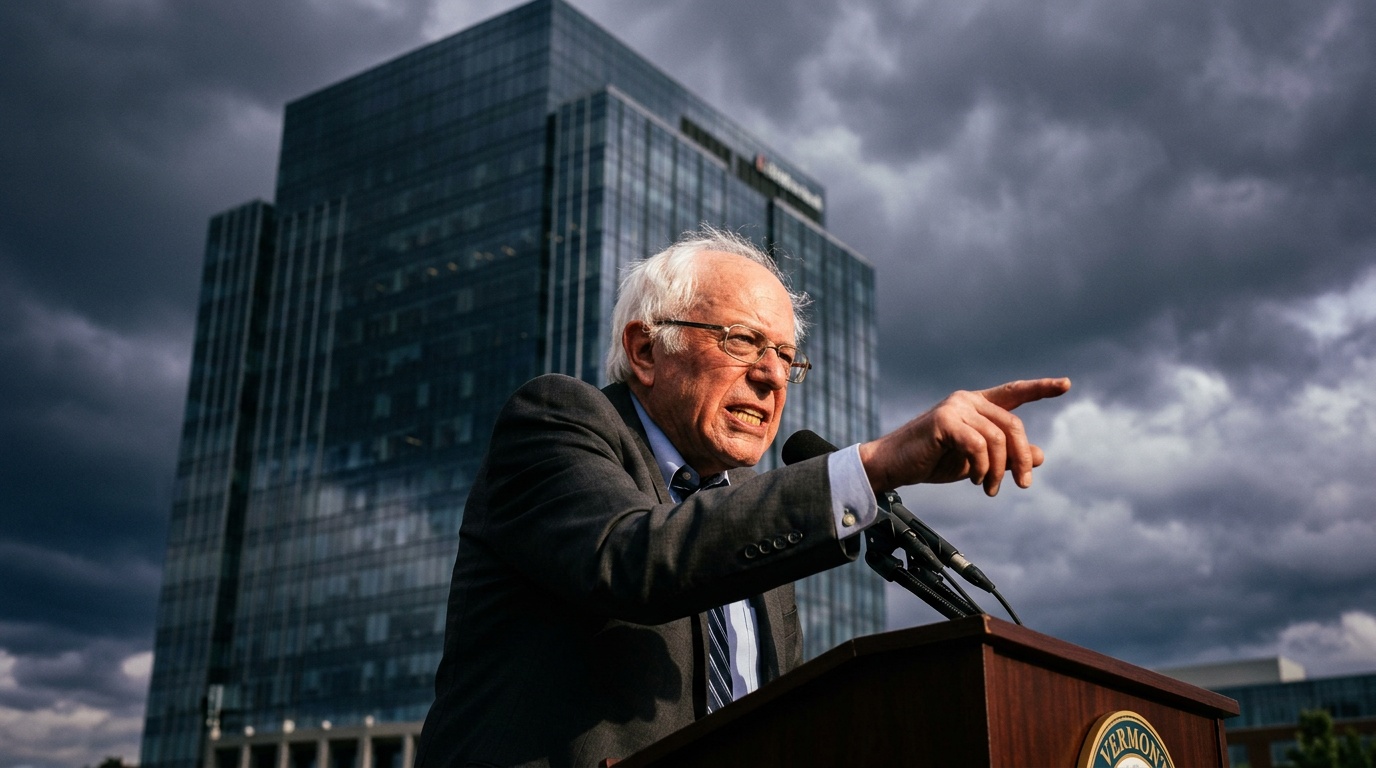
Rep. Jamie Raskin (D-Md.) has a message for American oil companies thinking about helping Vladimir Putin sell diesel in the United States: maybe don't.
In an October 26 letter to three major industry groups, Raskin warned that companies participating in President Donald Trump's Russian diesel agreement could face criminal and civil liability, even with the administration's sanctions relief in place. "Your members are now on notice," he wrote, calling participation a "clear and dangerous violation of federal law." Companies that go ahead, he added, "will undoubtedly be held accountable to the fullest extent of the law."
The letter went to American Petroleum Institute chief Mike Sommers, American Fuel & Petrochemical Manufacturers chief Chet Thompson, and U.S. Chamber of Commerce president Suzanne Clark. It follows bipartisan criticism of Trump's agreement.
Raskin's core argument is that Trump's sanctions waiver cannot override Congress' 2022 import ban. He cited potential criminal fines of $1 million, imprisonment of up to 20 years, and civil penalties reaching twice a transaction's value. "Those who choose to act in this way proceed at their own risk," he wrote, warning of consequences "whether in this Administration—or the next."
A Tanker Is Already on the Way
This is not a hypothetical. Reuters reported that a tanker carrying 40,000 metric tons of Russian diesel departed Primorsk on October 22 and should reach New York on November 7, marking the first such shipment since 2022. The shipment follows Trump's agreement to facilitate the resumption of Russian diesel shipments to the U.S. to ease soaring fuel costs. Reuters also reported Monday that Russian refiners increased production following new export quotas.
Will It Actually Lower Prices?
Bank of America commodity strategist Francisco Blanch expects Russian supplies to provide limited relief, citing Moscow's domestic shortages.
The agreement could also affect U.S. refining stocks, including Valero Energy Corp. (VLO), Marathon Petroleum Corp. (MPC), Phillips 66 (PSX), and PBF Energy Inc. (PBF). Additional Russian diesel supplies could narrow refining margins, although analysts expect the initial shipments to provide limited price relief. Reuters' market commentary last Wednesday similarly suggested that the initial volumes were unlikely to substantially reduce American fuel prices, while Middle Eastern supply disruptions continued pressuring markets.
Investors can also track the sector through the VanEck Oil Refiners ETF (CRAK), which holds major U.S. refiners. The fund gained about 74% through October 21 in 2026, highlighting the sector's strong performance amid elevated fuel margins.
The White House, in a statement shared with Politico, disputes Raskin's legal interpretation, insisting the agreement complies with applicable laws. Spokesperson Taylor Rogers accused Democrats of prioritizing investigations over improving Americans' lives.
API, AFPM, and the Chamber of Commerce did not immediately respond to MarketDash's request for a comment.