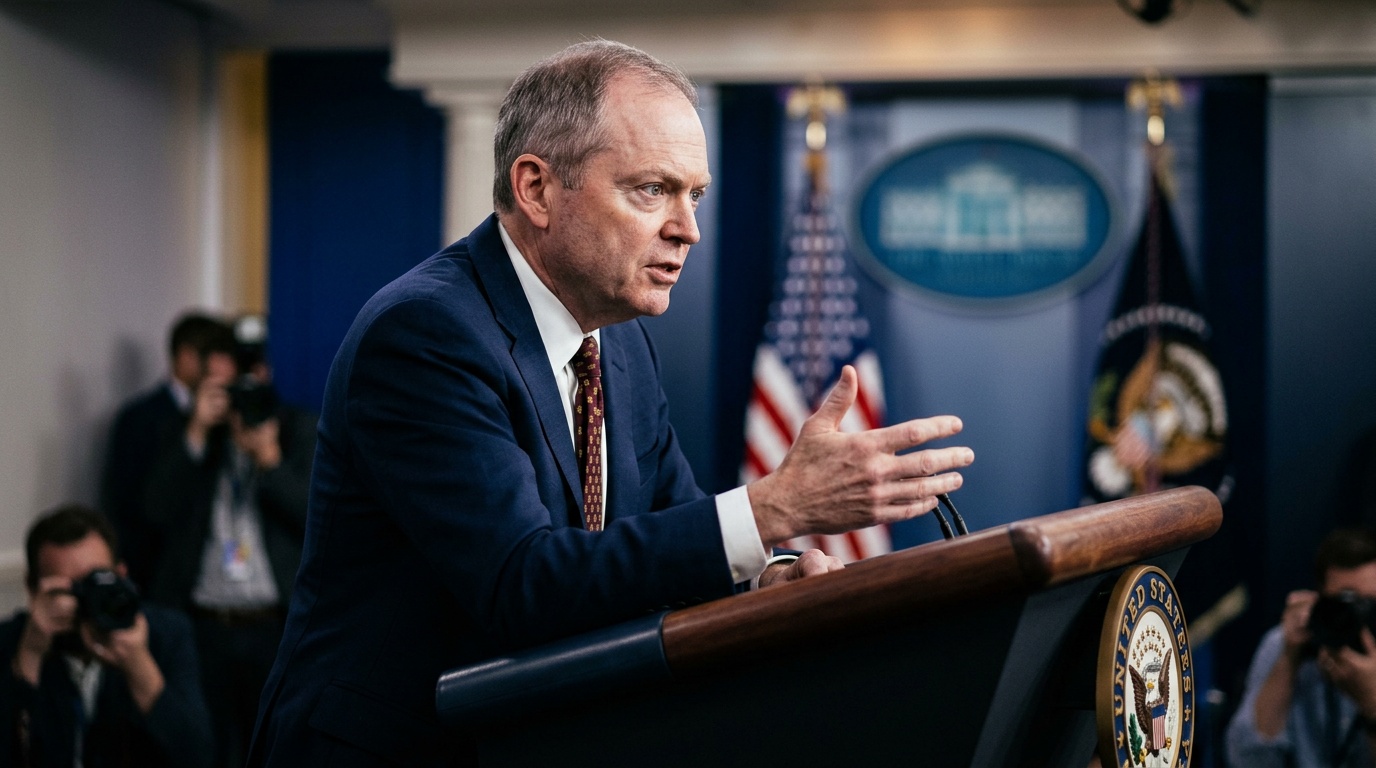
Steve Hilton, the Republican nominee, has a message for California: the starter home is broken, and he wants to fix it with lower fees, tax incentives and faster approvals.
In a post on X on Sunday, Hilton put the problem bluntly: "Young Californians are losing hope they'll ever own a home." He blamed "fees, regulations, and endless delays" in Sacramento for making starter homes "too risky and expensive to build."
His pitch, as he put it: "I'll lower fees on smaller homes, offer tax incentives, and fast-track approvals to give the next generation a real chance to stay in California."
California's Cost-of-Living Frustration
Hilton didn't stop at housing. In another post, he said Californians were more concerned about "gas prices, electric bills, housing costs, homelessness" than about President Donald Trump. He blamed "sixteen years of one-party rule" for worsening conditions and said people were at "BREAKING POINT" ahead of the election.
The housing affordability squeeze isn't just a California story, though. Last week, Hakeem Jeffries (D-N.Y.) accused Trump and House Republicans of breaking their promise to lower costs, saying Americans were still paying too much for groceries, housing and health care. Sen. Mark Kelly (D-Ariz.) said young Americans were struggling with rising living costs and pledged to fight to lower expenses and give them "a fair shot."
SkyBridge Capital founder Anthony Scaramucci said the gap between median income and home prices made homeownership unaffordable, while ProCap Financial CEO Anthony Pompliano called rising home prices a "silent wealth transfer." Last month, Sen. Elizabeth Warren (D-Mass.) said affordable housing investments supported "more stable families," "better schools," and "stronger local economies," highlighting her 21st Century ROAD to Housing Act, which became law in July.
The Numbers Behind the Squeeze
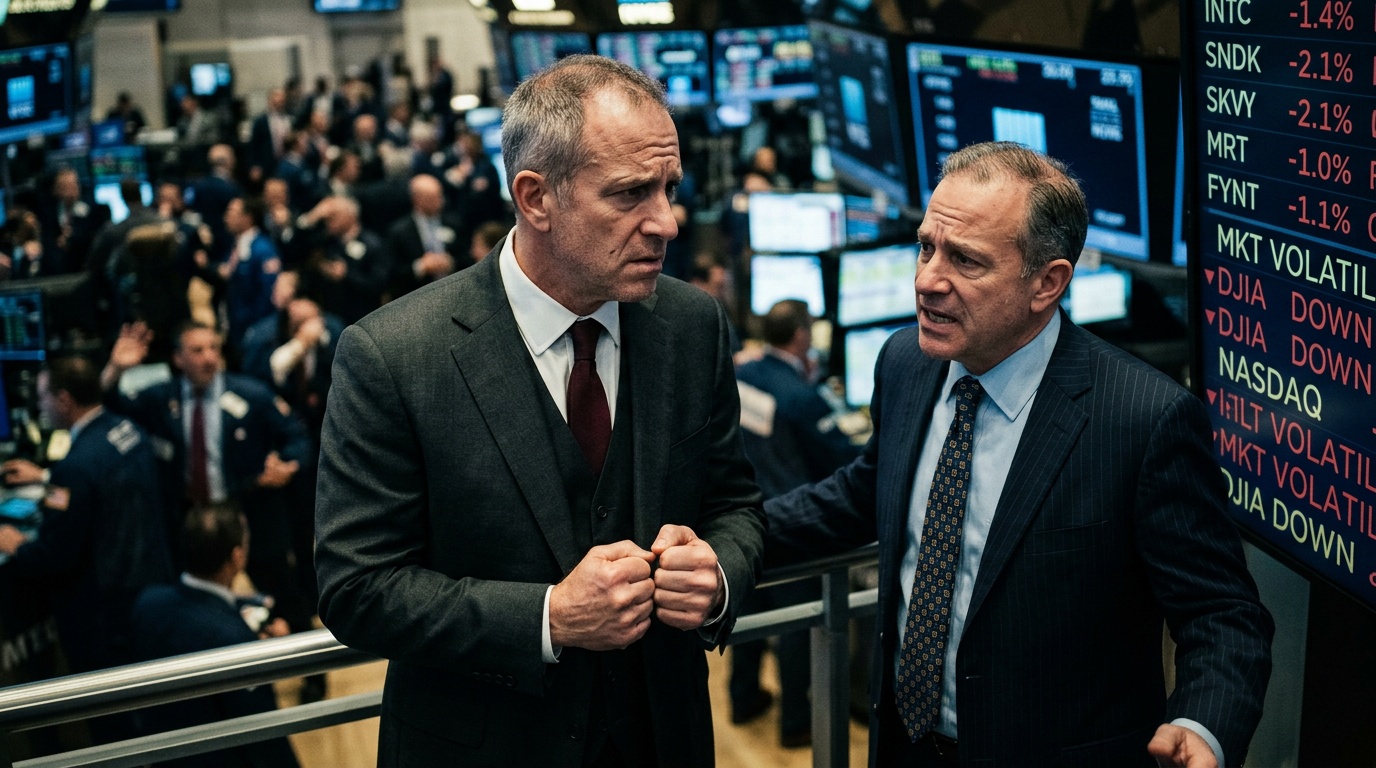
Earlier this month, J.P. Morgan analyst Bennett Parrish said renting remained cheaper than owning a home in most major U.S. metro areas, but housing costs had outpaced income growth for decades. Homeownership among Americans under 35 fell from 39% in early 2022 to a nine-year low of 35%, while elevated mortgage rates continued to squeeze buyers. The firm said U.S. housing affordability remained near its worst level since the Global Financial Crisis, with the market effectively "frozen."
For Hilton, the argument is simple: cut the cost of building small homes, and the next generation might actually be able to buy one. Whether Sacramento agrees is another question entirely.