Sen. Rand Paul (R-Ky.) has a bone to pick with Washington, and it's not just about the deficit. On Tuesday, Paul took to X to argue that the nation's capital is making energy more expensive in two distinct ways: "Sending us into foreign conflicts that disrupt global markets" and "imposing climate mandates that restrict supply at home."
"I have opposed both," he said, adding that putting American families first requires a "restrained foreign policy" and an energy policy that "unleashes domestic production."
It's a familiar libertarian refrain, but Paul is putting it front and center as energy costs continue to weigh on households.
The Real Cost to Households
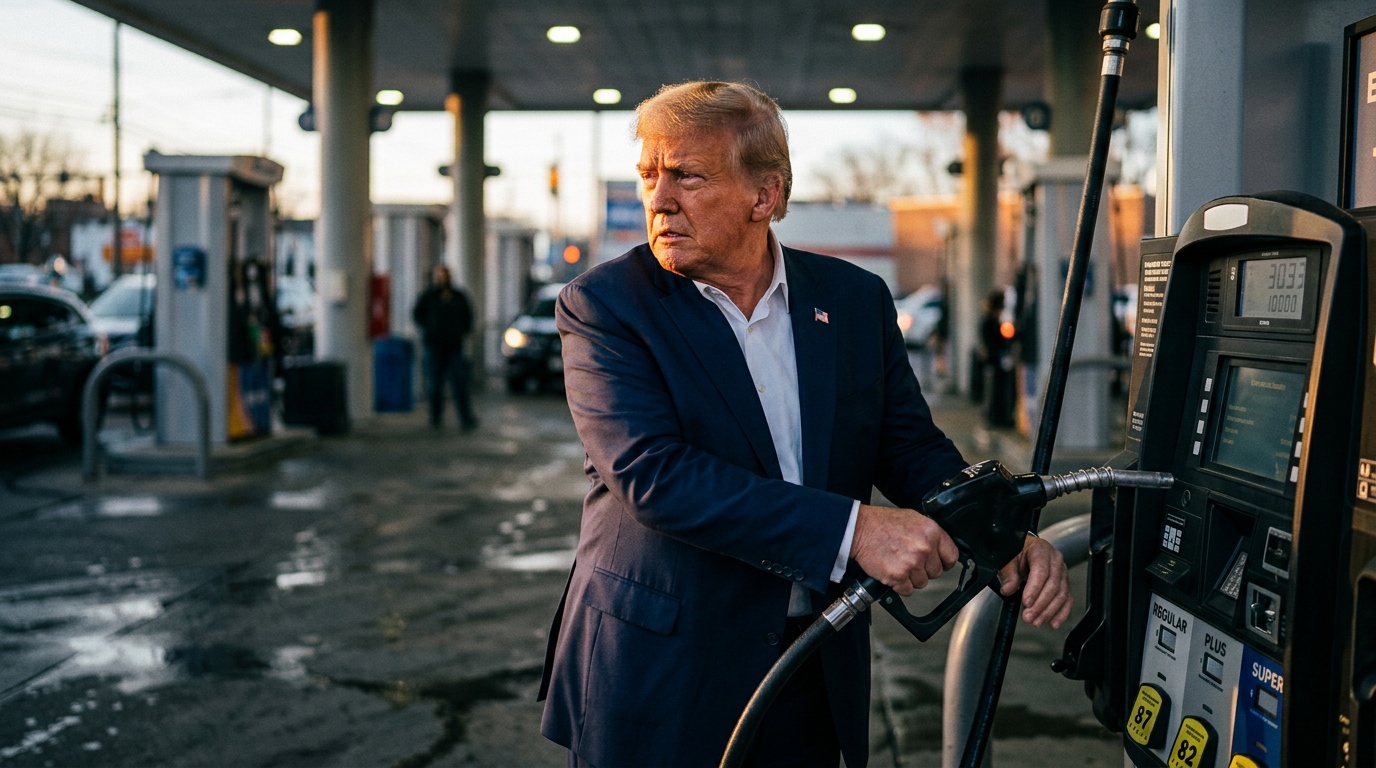
Last month, Moody's Analytics Chief Economist Mark Zandi said the Iran war had added about $115 billion in energy costs, or roughly $860 per household, as higher prices for gasoline, diesel and jet fuel affected Americans.
He said lower- and middle-income households were hit harder and warned gasoline could reach $4.50 a gallon if oil prices approached $100 a barrel. Zandi said the quickest relief would come from the war ending and more oil flowing through the Strait of Hormuz.
Higher Treasury yields had also increased borrowing costs, while rising energy prices had heightened inflation concerns for the Federal Reserve.
Not Just Paul: Sanders and O'Leary Weigh In
Sen. Bernie Sanders (I-Vt.) blamed the Iran war for rising U.S. energy costs, citing gasoline at $4.38 per gallon, heating oil at $5.87 and diesel at $6.20. He said "Big Oil" was benefiting from higher prices and called for an immediate end to the conflict.
Last month, investor Kevin O'Leary also warned that high energy prices and the Middle East crisis were fueling inflation and weighing on the global economy, arguing that lower gas prices were needed.
Meanwhile, U.S. investor-owned utilities are planning roughly $1.4 trillion in capital spending through 2030, with data-center and AI growth, aging infrastructure, grid hardening and electrification among the major drivers.
PowerLines said utility bills had risen 40% since 2021, while utilities requested nearly $31 billion in rate increases in 2025.
Disclaimer: This content was partially produced with the help of AI tools and was reviewed and published by MarketDash editors.