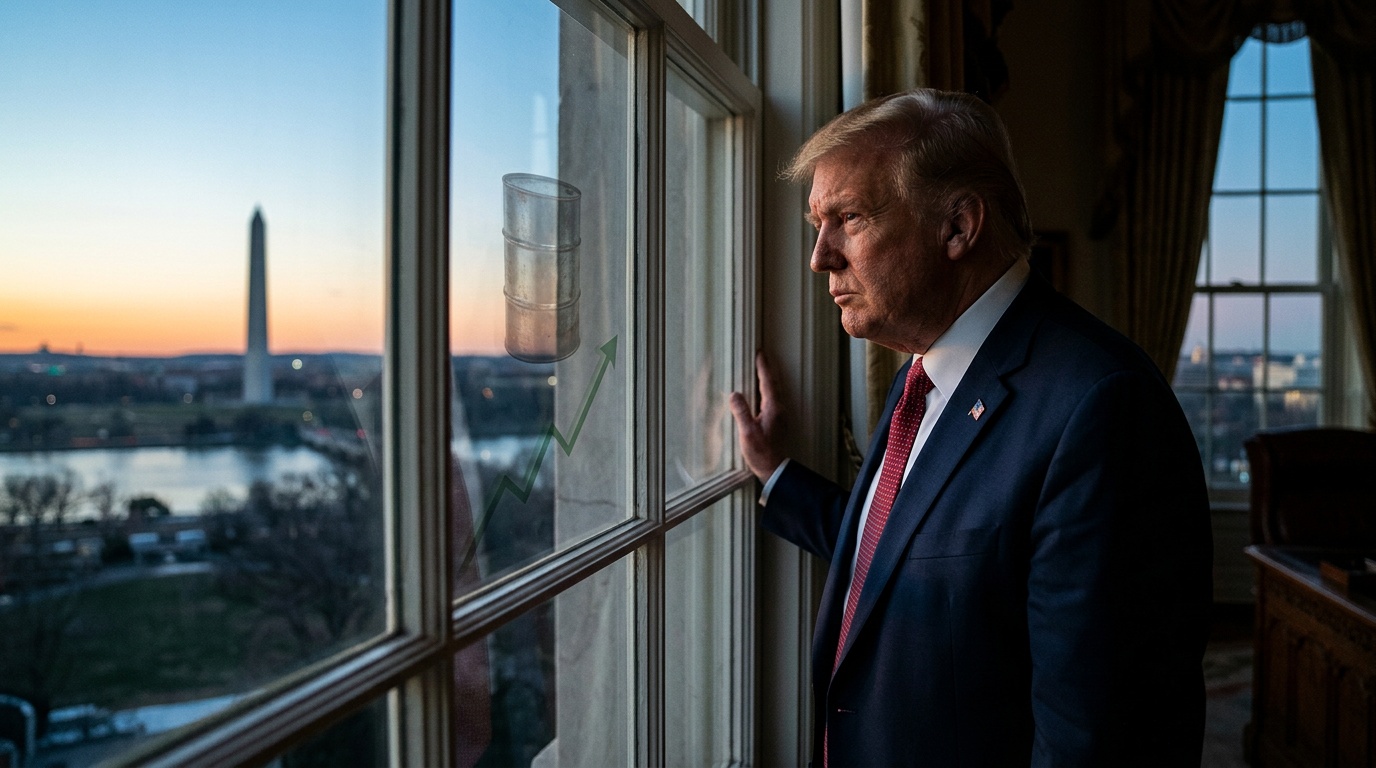
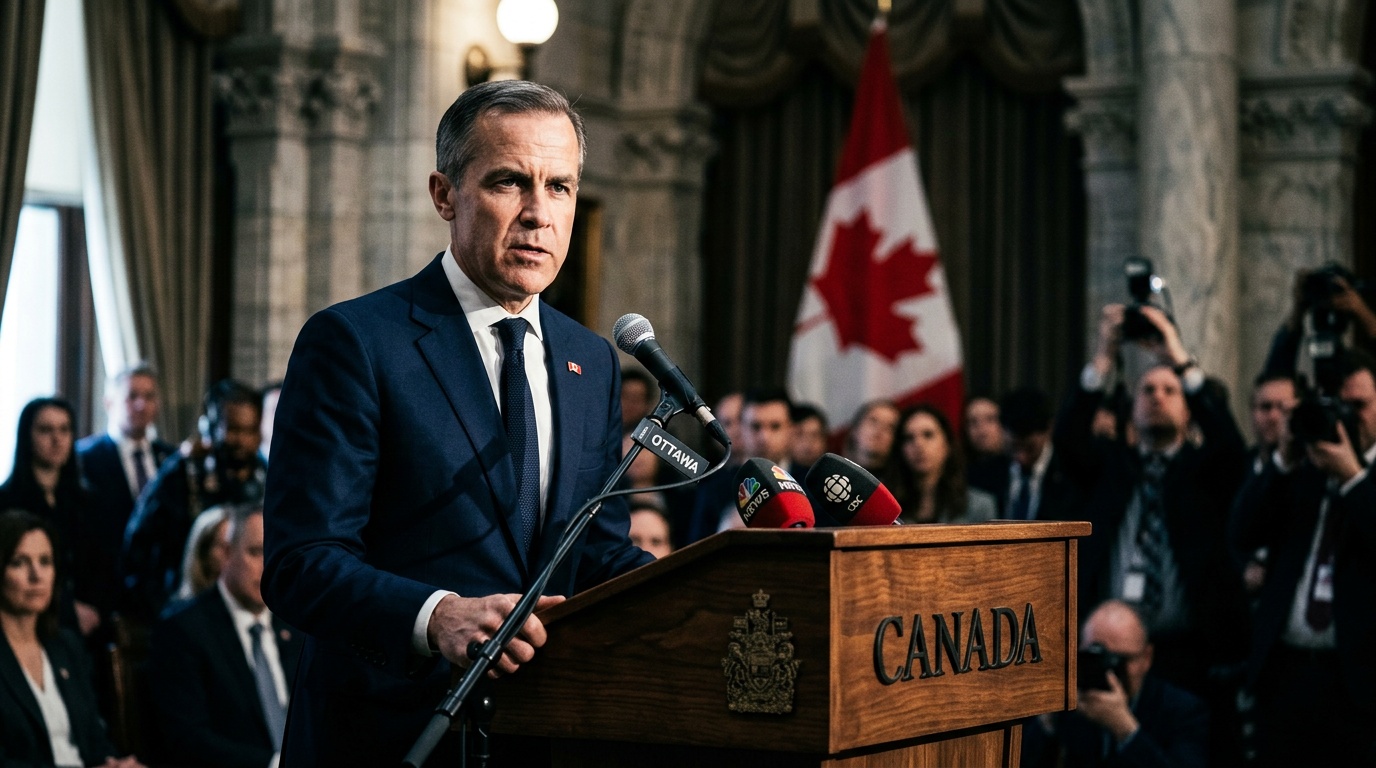
Rising prices, energy costs, and borrowing rates are putting affordability back in focus as the U.S. midterm elections approach, with households facing higher costs despite continued economic resilience.
Meanwhile, the U.S. economy added 162,000 jobs in August, while the unemployment rate remained at 4.1%. Consumer spending also remained resilient, with August retail sales coming in stronger than expected.
Inflation Remains Elevated
Consumer prices rose 3.4% year over year in August. Prices were 27% higher than in January 2021. Meanwhile, wage gains have failed to keep pace with inflation for five consecutive months.
Gasoline Prices Climb
The national average gasoline price reached about $4.44 a gallon, with Sen. Bernie Sanders (I-Vt.) saying that "ordinary Americans can't afford $4.44 a gallon for gas."
Diesel Hits Record
Average U.S. retail diesel prices reached about $6.40 a gallon, a record level, compared with $3.71 a year earlier, according to data cited by The Wall Street Journal.
Mortgage Rates Near 7%
The average 30-year mortgage rate climbed to 6.95% in the week ending Thursday, according to Freddie Mac, leaving borrowing costs close to the 7% level.
Fed Raises Rates
The Federal Reserve raised its benchmark interest-rate range by 25 basis points to 3.75%-4% this week, its first increase since 2023.
Economic Resilience
Household net worth reached $186 trillion in the second quarter, up $26 trillion from the fourth quarter of 2024, according to the report.
"If you're the average American household, you're probably wondering, 'What did I do to deserve this?'" Joe Brusuelas, chief economist at RSM, told The Wall Street Journal.
"Consider the geopolitical landscape of shocks and uncertainty, and you begin to appreciate the resilience of the U.S. economy," Fed Chairman Kevin Warsh said, according to the report.
Trump's $5,000 Proposal
President Donald Trump has pledged a $5,000 "Trump dividend" to every adult U.S. citizen if Republicans retain control of both chambers of Congress in November. Trump said the payment would be possible because of the country's economic performance, though the proposal would require congressional approval.
David Winston, a veteran Republican strategist and adviser to GOP congressional leadership, told The Wall Street Journal that "we've seen some increase in wages. But it hasn't been enough for voters to get to a conclusion that they're in a better position to handle current prices."
Winston added that "that's the central question" as voters decide if Trump and his party have delivered on their economic promises.