What happens to the AI trade if the money spigot slows? S&P Global Ratings ran a stress test on Asia-Pacific technology hardware companies, and the answer is: it depends a lot on what part of the supply chain you're standing on.
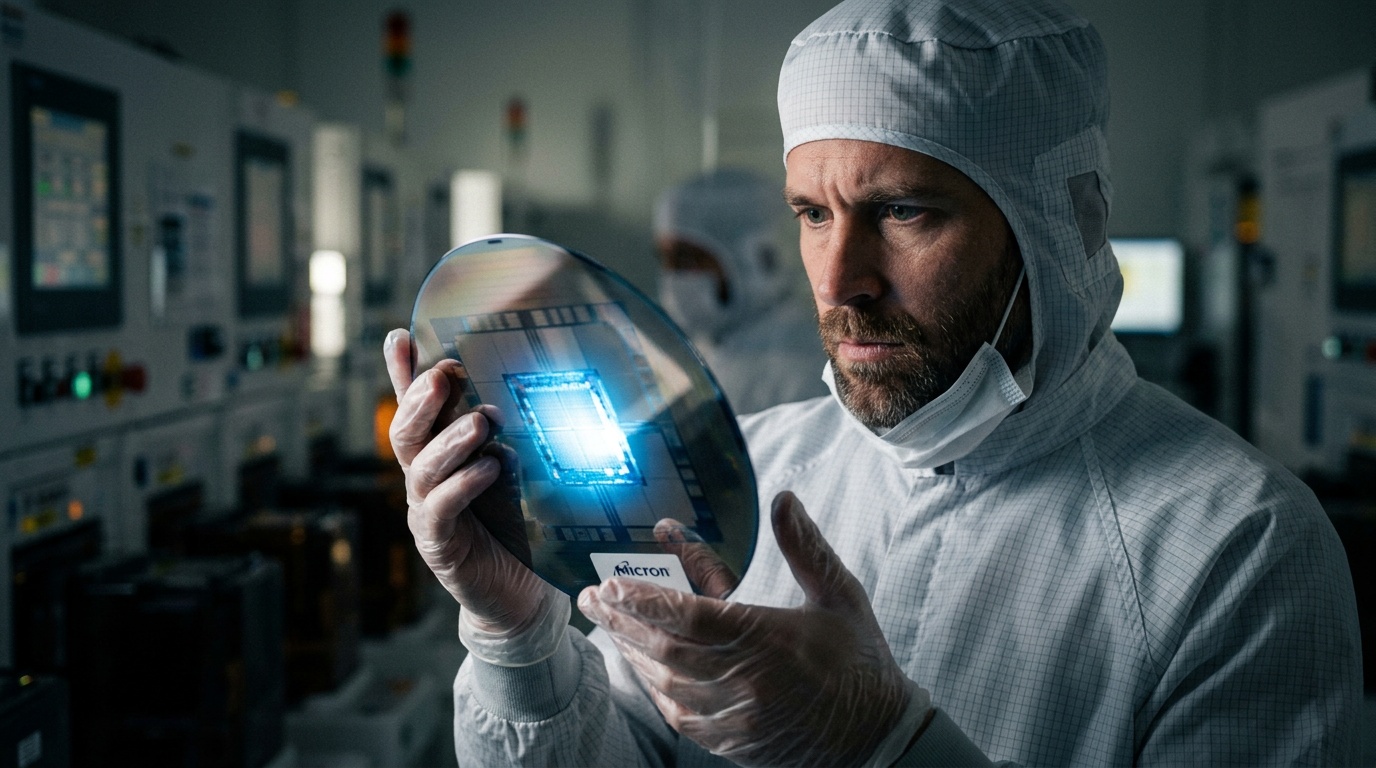
Taiwan Semiconductor Manufacturing Co. Ltd. (TSM) comes out looking like the bunker. According to the ratings agency, the chip giant could prove more resilient than its regional peers if the artificial intelligence spending boom cools.
The base case is still plenty bullish. S&P expects annual AI spending by hyperscalers to reach $1.5 trillion globally by 2028, a surge that should keep supporting Asia's technology hardware sector. But the agency warned that lower capital spending would hit different parts of the AI supply chain unevenly. Not every chip company gets to be the safe harbor.
Foundries Have A Bigger Buffer
Advanced foundries should hold up best in an AI downturn, and Taiwan Semiconductor sits at the front of that line. Its technology leadership, advanced manufacturing nodes and diversified end markets could help protect pricing and margins when things get ugly.
Even if AI demand falls well below S&P's base case, Taiwan Semiconductor Manufacturing's profitability and cash generation should remain above 2026 levels. The company also has a lever it can pull: cutting capital spending in 2027 and 2028 if demand weakens. That flexibility matters when the whole market is repricing growth.
Memory Makers Face Greater Risk
Memory manufacturers are the other side of this trade, and the downside is more painful. Weaker high-bandwidth memory demand could free up capacity for conventional DRAM, which would push memory prices lower. Conventional memory accounts for about 70% of profits at large memory makers, S&P said. That's a lot of earnings tied to a market that could get flooded.
Still, S&P expects strong underlying memory demand as AI use cases expand. Longer-term supply agreements and increasingly customized HBM and data-center storage products could also provide some protection.
SK hynix Inc. (SKHY) has reduced some volatility through long-term agreements and customized products. However, a severe downturn could erode its ratings buffer. Meanwhile, NAND-focused Kioxia Holdings Corp. could be more sensitive because of its concentrated exposure.
Zoom out, and S&P said a temporary slowdown in hyperscaler spending would likely have only a moderate effect on Asia-Pacific technology issuers. A lasting shift in AI demand would pose a much bigger credit risk. In other words, the difference between a pause and a regime change is the whole ballgame.
TSM Price Action: Taiwan Semiconductor shares were down 0.23% at $429.25 during premarket trading on Friday, according to market data.