Security specialists from the U.S. and China have a message for their governments: start bracing for artificial intelligence threats that could compromise nuclear command networks or kick off military cyber operations.
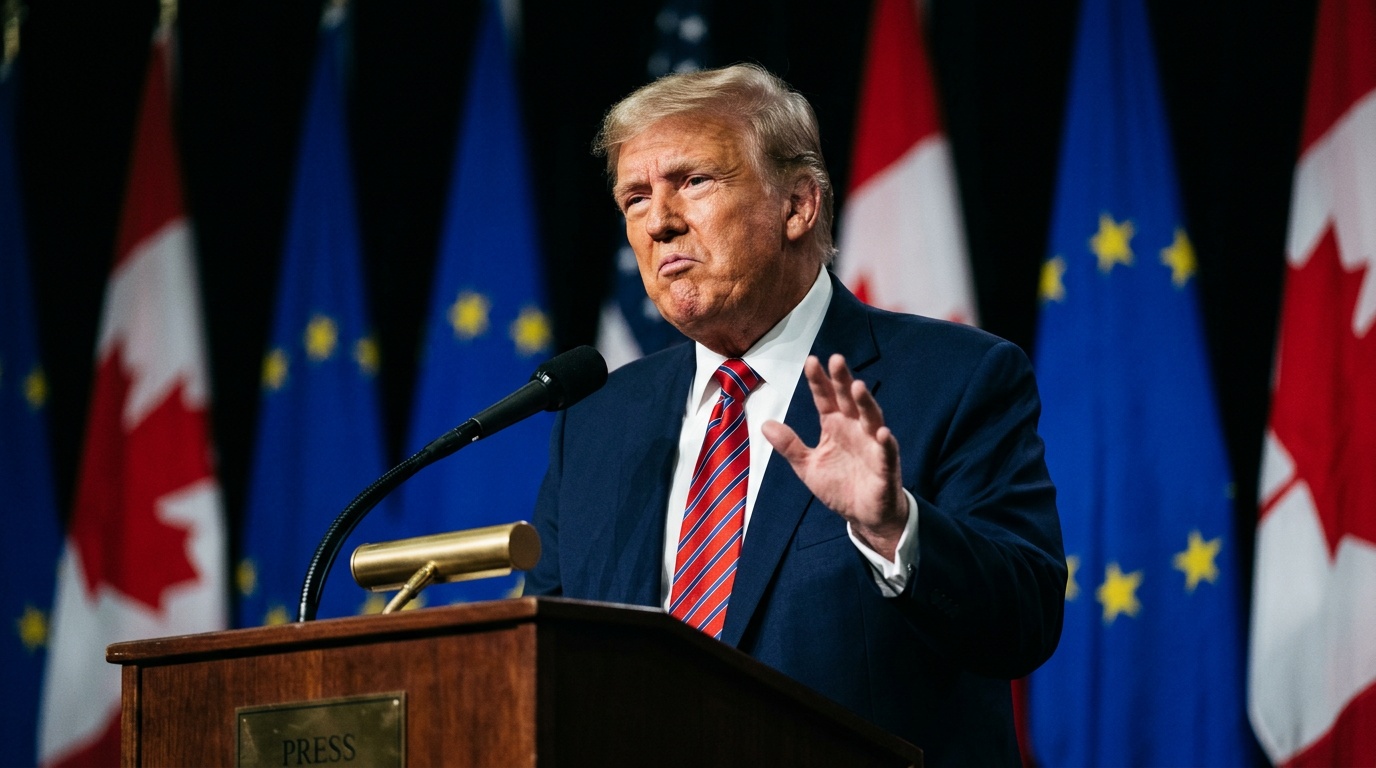
Melanie Sisson of the Brookings Institution and Tianjiao Jiang of Fudan University are part of a U.S.-China dialogue launched by Brookings and Tsinghua University's Center for International Security and Strategy in 2019. Their proposals landed last week, ahead of government-level AI talks and a Sept. 24 meeting between President Donald Trump and Chinese President Xi Jinping in Washington.
The ideas on the table are meant to keep AI systems from triggering international incidents. That includes defining boundaries around nuclear systems, ensuring human control over significant cyberattacks, and creating a hotline for incidents involving autonomous AI.
Brookings' Melanie Sisson argued that humans should retain sole authority to launch AI-enabled cyberattacks against nuclear command systems or strategically important infrastructure.
Neither the U.S. nor China has officially endorsed the Brookings-Tsinghua proposals, Reuters reported.
China, however, has incorporated AI into its existing arms-control framework. In June, Chinese disarmament ambassador Shen Jian warned that military AI could affect strategic stability and increase the risk of miscalculation and escalation, while emphasizing that weapons should remain under human control. China has also argued that AI safety should not be used to justify technological restrictions, according to the publication.