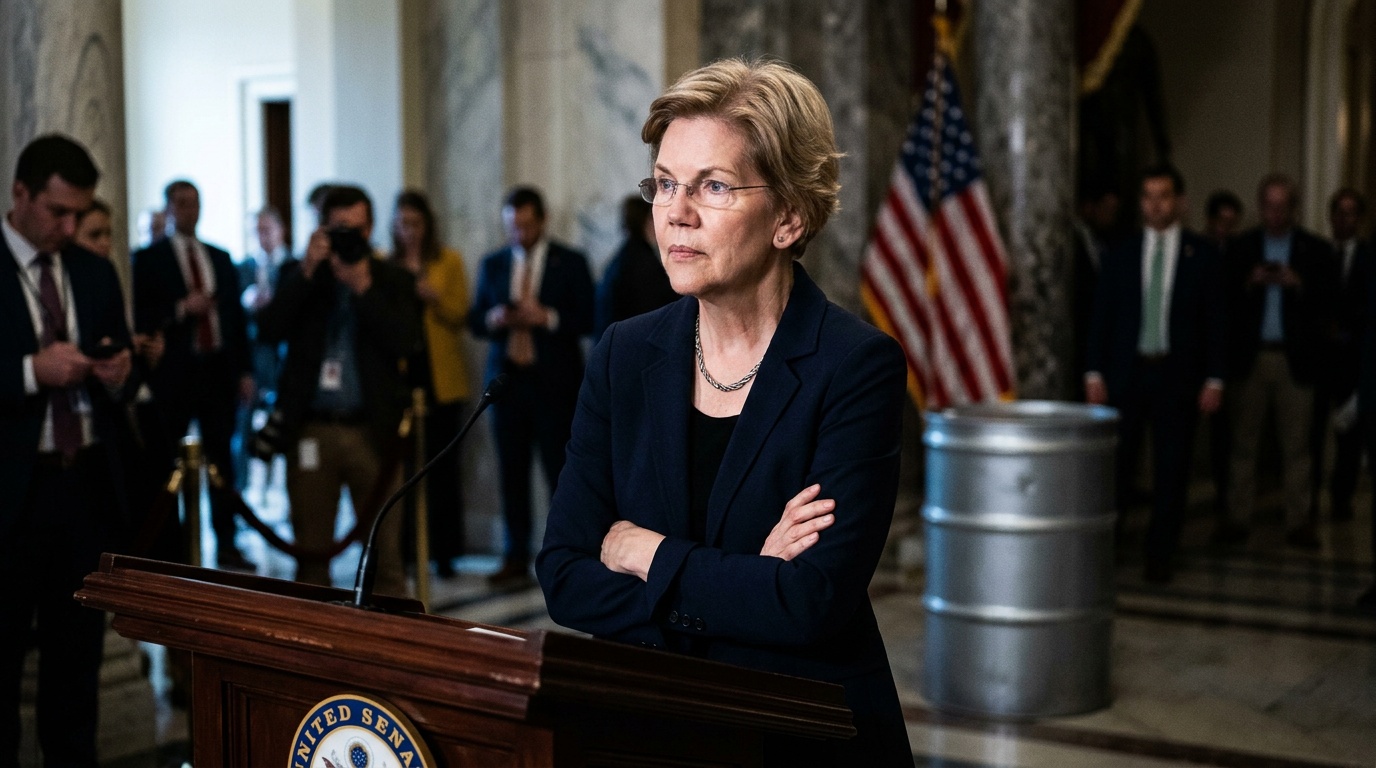
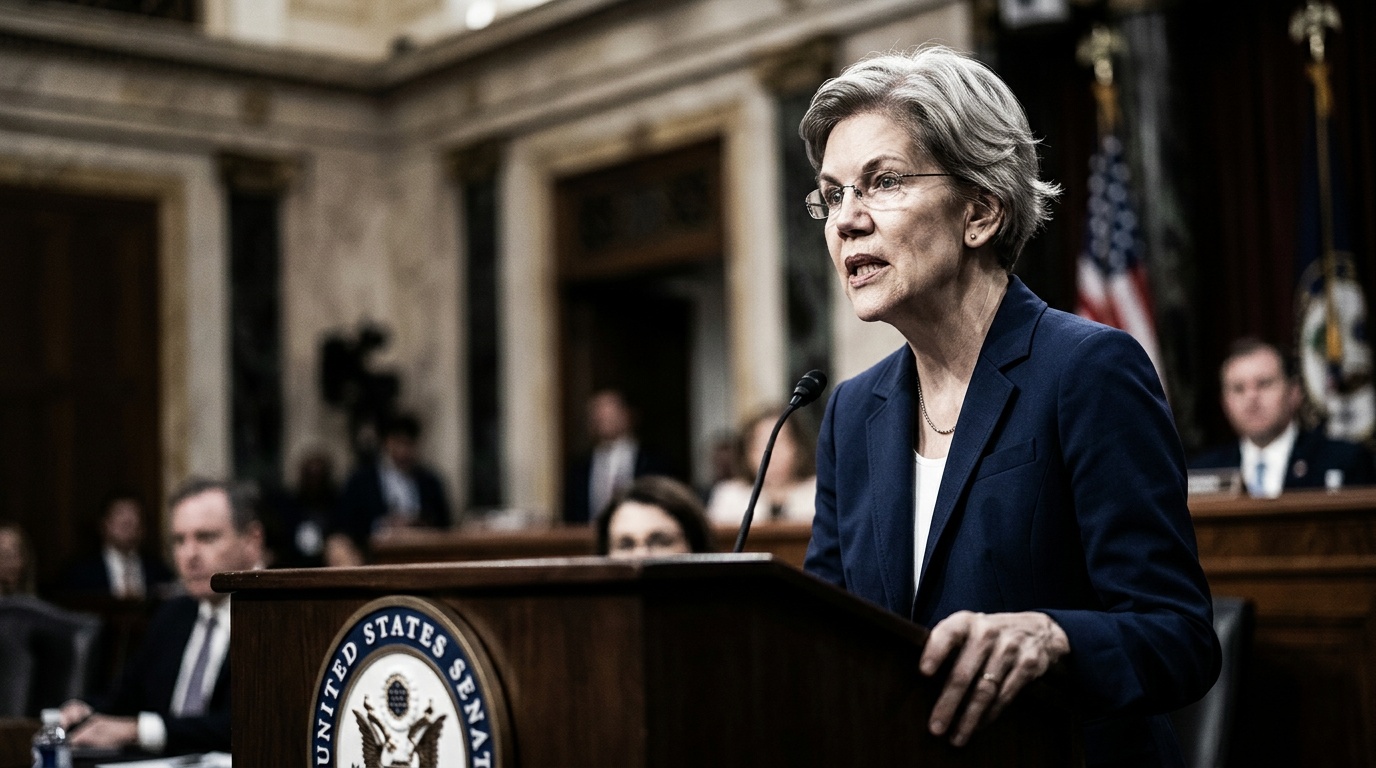
When diesel gets expensive enough, Washington starts looking at the export spigot. Senate Majority Leader John Thune told reporters on Tuesday that the U.S. would be "open to exploring" a ban on diesel exports, reasoning that if the country has the supply, an export halt "might be one way of getting" prices to come down.
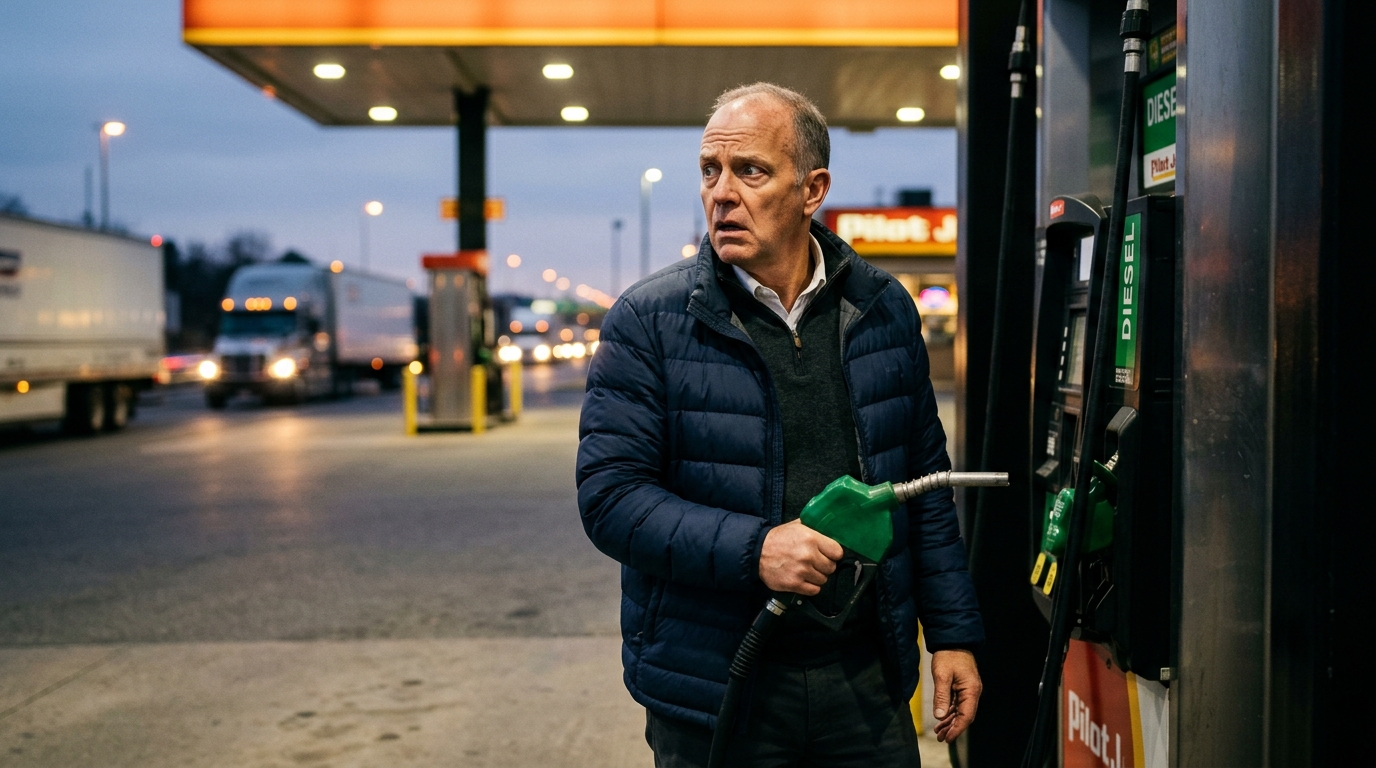
The numbers explain the urgency. The national average price of diesel surged to $6.3103 per gallon on Wednesday, according to data from the American Automobile Association (AAA). That's not a typo, and it's not a rounding error.
But GasBuddy analyst Patrick De Haan isn't sold on the idea. In a post on X following Thune's comments, he warned that "U.S. controls on exports would be chilling, sending an unmistakable signal to the market."
He then called for "extreme caution" depending on what lawmakers are actually trying to accomplish. "Though it may chase the queasy trader away, very delicate line," he said.
In other words: an export ban might look like a quick fix at the pump, but markets read it as a signal that things are bad enough to warrant government intervention. That's not the kind of message you want to send into an already jittery energy market.
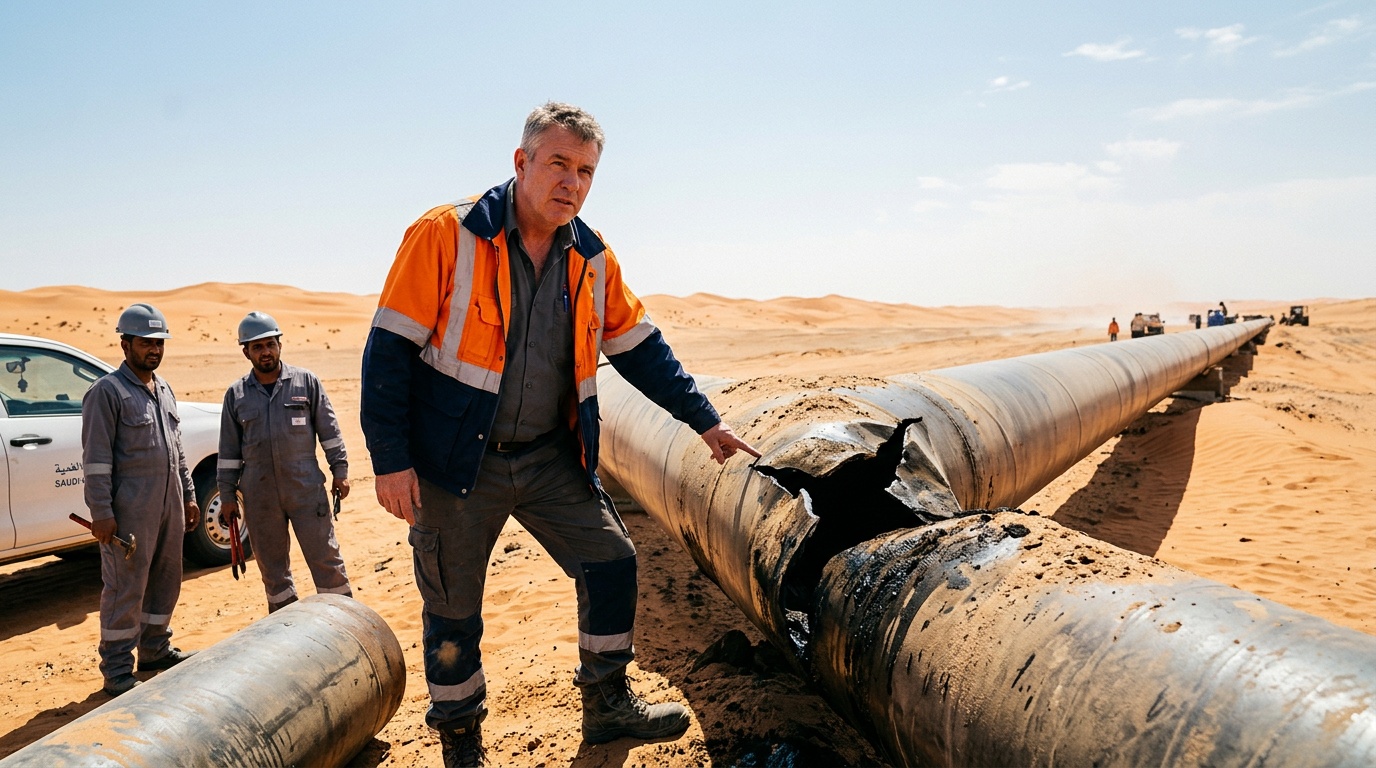
This isn't happening in a vacuum. Russia had already imposed a ban on diesel exports until September 30. President Donald Trump has also asked Ukrainian President Volodymyr Zelenskyy to halt strikes on Russian oil assets, saying those strikes could disrupt the global oil supply chain.