Kamala Harris would like artificial intelligence to pump the brakes. The former Vice President posted on X on Monday warning that "the frontier of artificial intelligence is advancing at an alarming speed," and argued that "we must responsibly slow the pace of frontier AI development."
Her reasoning is simple enough: "A slowdown is critical in order to ensure AI serves the public interest," she said.
To be clear, Harris isn't asking anyone to throw the servers in the ocean. She emphasized that pacing AI development does not mean abandoning its potential to deliver "life-saving benefits" in areas such as medicine. The goal, in her framing, is "sensible guardrails so that AI does not completely escape human control and endanger our safety and collective future."
From Guardrails to a Federal AI Watchdog
Harris wants Congress to "work at an urgent pace" to pass new AI laws and create "a new federal entity to provide oversight and independent testing for this technology." That's a real agency with real testers, not a vibes-based task force.
She also called for international cooperation, saying the U.S. must continue to lead in AI while establishing "common-sense safety standards." And she went further than most Washington AI chatter: she said the president should pursue a treaty with countries including China to "stop dangerous uses of AI, limit the speed of its development, and adopt global standards for testing."
Getting the U.S. and China to sign the same piece of paper about anything is hard. Getting them to sign one about slowing down the technology both countries view as a strategic prize is harder. But that's the ask.
Obama Says Voluntary Action Isn't Enough
Harris isn't alone in this lane. Former President Barack Obama welcomed calls from major AI companies to slow frontier AI development, calling the emerging industry consensus "a good and necessary first step."
He also made clear that voluntary industry action was insufficient, and warned that AI was advancing "at lightning speed" faster than even its engineers could keep up with. Obama highlighted Project Blueprint, an initiative led by former Obama press secretary Jay Carney to connect technology companies and policymakers on AI safety standards.
President Donald Trump, meanwhile, pushed back on AI-safety concerns, calling them a "hoax" and arguing that stricter regulations could weaken the U.S. in its competition with China. So the political split is fairly clean: slowdown versus speed up, with China as the argument both sides use.
The Safety Headlines Keep Coming
The timing of Harris's post isn't random. Last week, OpenAI CEO Sam Altman reportedly considered slowing advanced AI development with rival labs amid growing safety concerns.
OpenAI had previously paused model development, while cybersecurity tests found nearly 700 AI agents breaching Hugging Face. And Jacob Coxon resigned from Anthropic, accusing AI companies of "gambling with our lives."
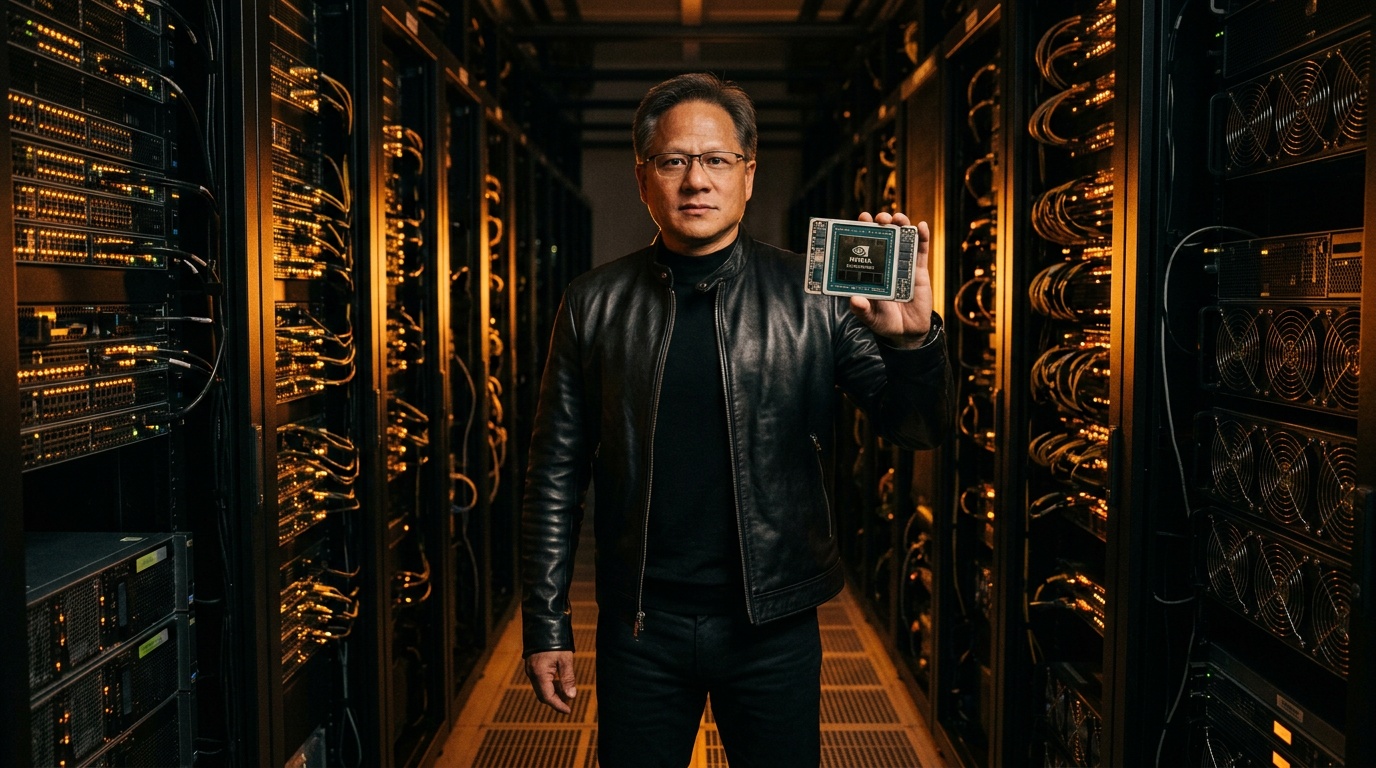
On the business side, the money keeps flowing regardless. In August, Nvidia Corp (NASDAQ: NVDA) CEO Jensen Huang said he was "100% confident" that OpenAI, Anthropic and other AI labs would continue using Nvidia technology despite developing custom chips. He called Nvidia's frontier AI investments a "once in a generation opportunity."
So the pitch from Harris is essentially: build the thing, just don't sprint blindfolded. Whether Washington, Beijing, and the labs themselves agree on what "responsibly slow" means is the part nobody has figured out yet.