






The Supreme Court rejected the President Donald Trump administration's request to immediately enforce new U.S. Postal Service requirements for federal election ballot mail ahead of the 2026 midterm elections.
Supreme Court Blocks Trump's New USPS Ballot Mail Rules Ahead of 2026 Midterms
MarketDash
The Supreme Court refused to let the Trump administration enforce new USPS ballot-mail restrictions before the 2026 midterms, siding with a lower court that said election officials simply ran out of time.
Get Market Alerts
Weekly insights + SMS alerts
Supreme Court Blocks USPS Ballot Rules
On Monday, the court denied the government's application to stay a lower court's nationwide preliminary injunction blocking the USPS rule.
The rule requires federal ballot mail to include an election-mail logo, be compatible with high-speed scanning equipment and carry a voter-specific barcode.
States would also have to submit envelope designs for USPS review and provide basic voter information through a Postal Service portal.
"The Government is unlikely to succeed on the merits of its challenge to the District Court's preliminary injunction," the Supreme Court said.
Justice Brett Kavanaugh agreed with the decision but said USPS may have statutory authority to issue the rule.
However, he said applying it during the 2026 elections would be "arbitrary and capricious" because state and local election officials lacked enough time to implement it.
Trump Administration Faces Ballot Mail Setback
Justices Samuel Alito and Clarence Thomas dissented. Alito argued that USPS has broad authority to regulate mail and said the government had made the necessary showing for the stay.
Alito described the states' challenge as "essentially a Hail Mary pass" that "rarely succeeds."
Trump Tightened Mail Voting Rules
In March, Trump signed an executive order to tighten mail-in voting rules, including using federal data to verify voter eligibility and requiring absentee ballots to be sent only to voters on approved state lists.
The order also mandated secure ballot envelopes with unique tracking barcodes and drew immediate legal challenges from voting-rights groups and Democrats.
USPS Mail Voting Rules
Last month, USPS unveiled mail-in voting rules based on Trump's blocked March executive order.
The rules would have required states to provide citizenship-based voter lists before USPS could send ballots.
A federal judge later blocked key parts of the overhaul nationwide, ruling that the executive branch lacked authority to regulate elections.
U.S. District Judge Indira Talwani said states had primary authority over congressional election procedures and that Congress, not the president, could override those rules.
Disclaimer: This content was partially produced with the help of AI tools and was reviewed and published by MarketDash editors.
More News
The Fed Hikes This Week: Stocks Have a 30-Year Playbook for This Moment
Ed Yardeni Calls 5% Treasury Yields a Confidence Signal, Peter Schiff Calls It a 'Launching Pad' to 6%
Cynthia Lummis Says 'There's Nothing Left To Give' As Democrats Prep Counterproposal To CLARITY Act
Trump Calls Jensen Huang Live On-Stage at the All-In Summit: 'Robots Will Not Be Taking Over, It's All a Hoax'

SentinelOne Jumps 16% as AI Doom Talk Turns Into a Security Shopping Spree

Dave & Buster's Stock Tanks 12% After Q2 Miss: What Went Wrong

Coinbase Says Its Tokenized Stocks Set the Standard, But Nasdaq Just Backed a $100M Rival
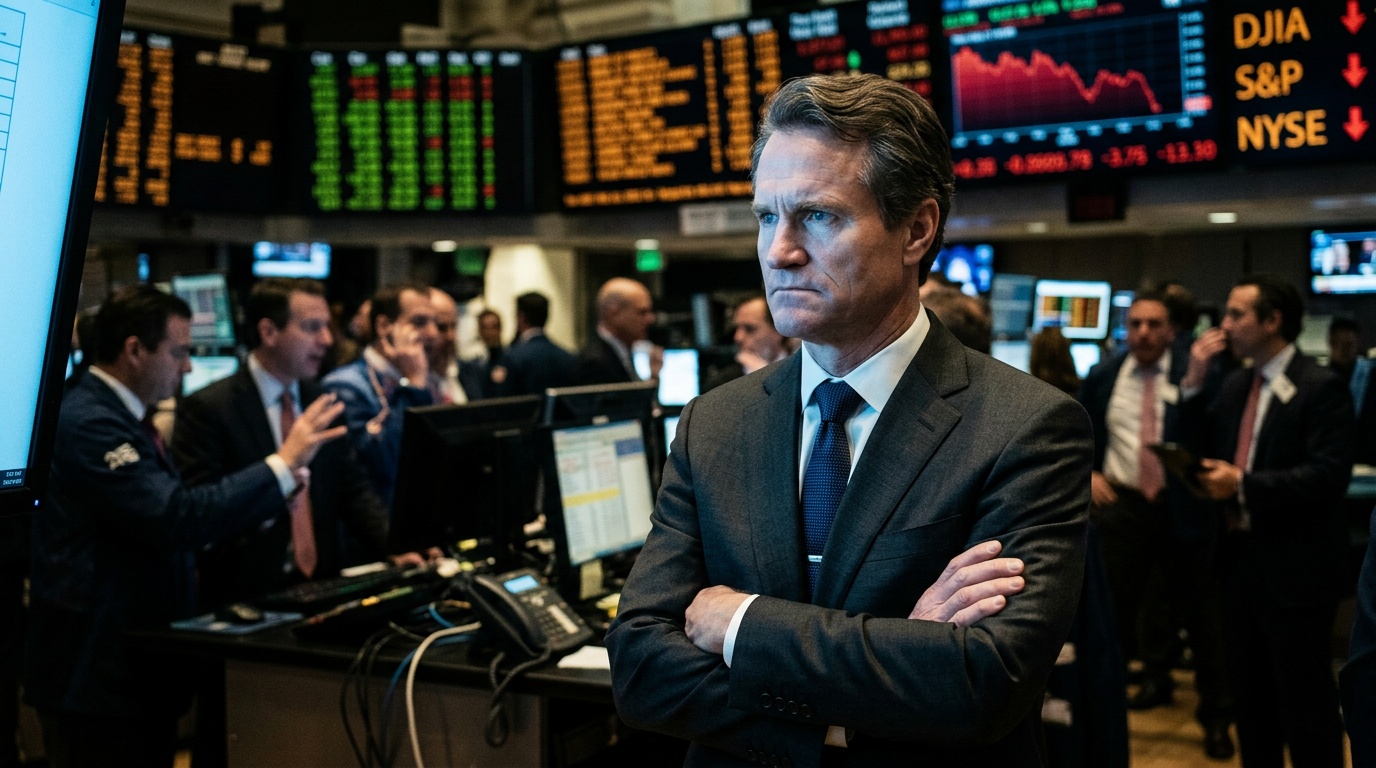
Goldman Sachs Stock Slips Monday: Bank of America's Warning Ripples Through Wall Street
Get Market News Alerts
Real-time alerts on price moves, news, and trading opportunities.
Join 20,000+ investors. No spam, ever.
Featured Articles
View all newsThe Fed Hikes This Week: Stocks Have a 30-Year Playbook for This Moment
By MarketDash
September 14, 2026
Ed Yardeni Calls 5% Treasury Yields a Confidence Signal, Peter Schiff Calls It a 'Launching Pad' to 6%
By MarketDash
September 15, 2026
Cynthia Lummis Says 'There's Nothing Left To Give' As Democrats Prep Counterproposal To CLARITY Act
By MarketDash
September 15, 2026
Trump Calls Jensen Huang Live On-Stage at the All-In Summit: 'Robots Will Not Be Taking Over, It's All a Hoax'
By MarketDash
September 14, 2026
SentinelOne Jumps 16% as AI Doom Talk Turns Into a Security Shopping Spree
By MarketDash
September 14, 2026
Dave & Buster's Stock Tanks 12% After Q2 Miss: What Went Wrong
By MarketDash
September 14, 2026
Coinbase Says Its Tokenized Stocks Set the Standard, But Nasdaq Just Backed a $100M Rival
By MarketDash
September 14, 2026
Goldman Sachs Stock Slips Monday: Bank of America's Warning Ripples Through Wall Street
By MarketDash
September 14, 2026