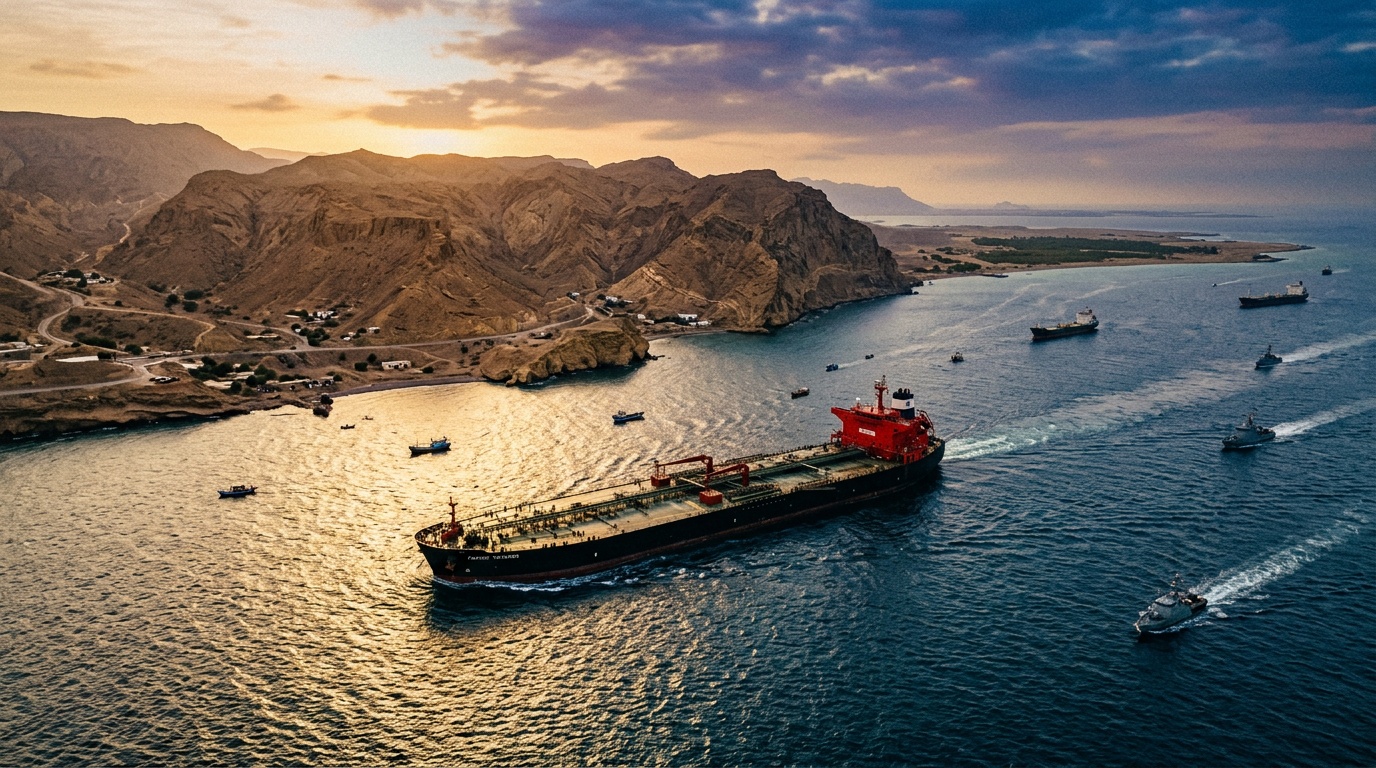
Iran and Oman are reportedly putting the finishing touches on a deal that would establish safe shipping routes through the Strait of Hormuz, a waterway that has become a flashpoint in the ongoing U.S.-Iran standoff.
According to Iranian Foreign Ministry spokesperson Esmaeil Baghaei, the talks between the two nations are nearly complete. Speaking on Monday, Baghaei said the negotiations have focused on identifying safe routes in the strait, but he acknowledged that interference from third parties has often complicated the process. Still, he expressed confidence that the talks are now in their final stage.
Baghaei struck an optimistic tone, suggesting an agreement could be reached in the coming days. The deal would establish a temporary "safe route" in the Strait of Hormuz and would be registered with the International Maritime Organization. He also had a message for outsiders: "ill-intentioned parties" should stop meddling and let the process move forward "logically and appropriately."
Iran's New Gulf Restrictions
The Strait of Hormuz has long been a point of contention between Washington and Tehran. On Sunday, Mohsen Rezaei, secretary of Iran's Supreme National Security Council, announced that Tehran plans to declare a new restricted zone in the Gulf and create a new shipping corridor through the strait. Ships entering the zone could face sanctions, while Iran has warned that the strait will remain open only if the U.S. ends its attacks and threats against Tehran, according to Reuters.
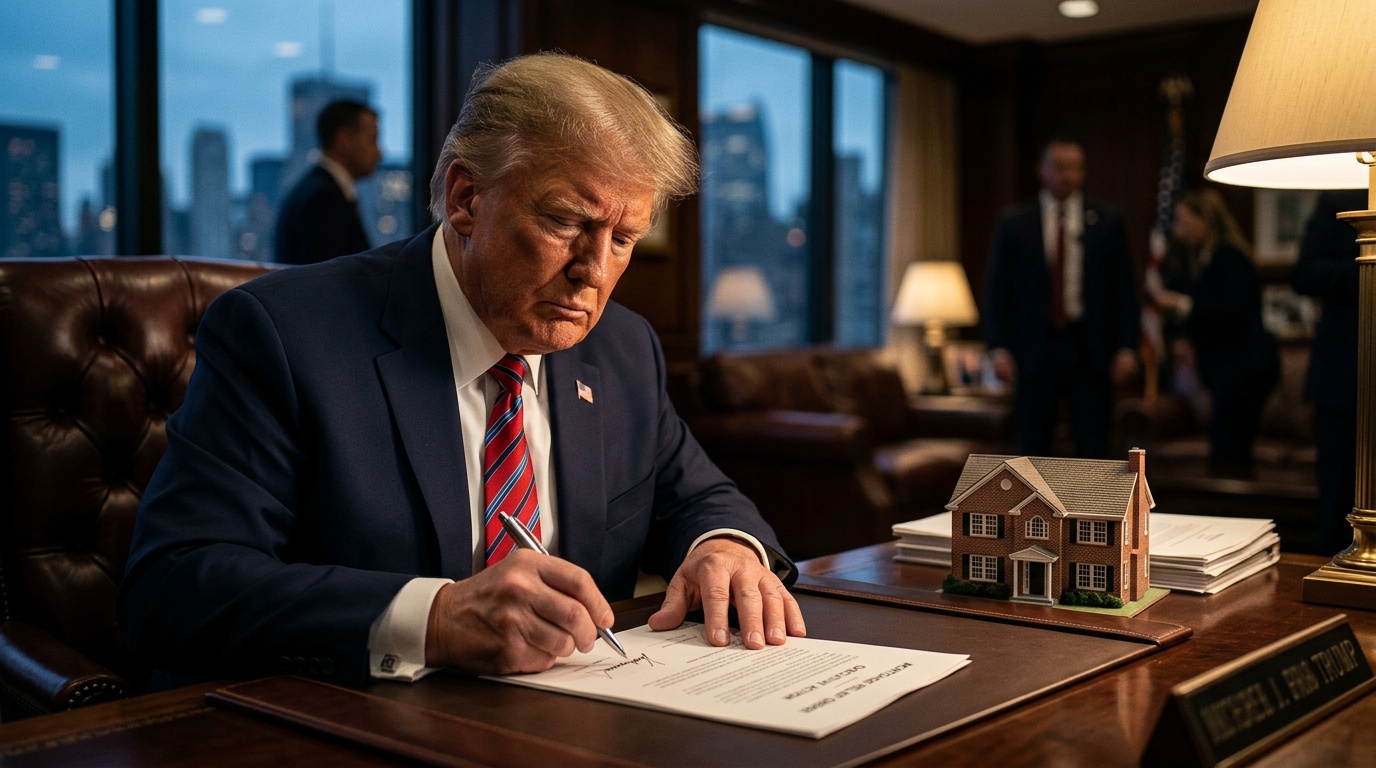
But here's where it gets interesting: Oman might not be on board with all of Iran's plans. A New York Post report from last week revealed that Muscat quietly rejected Iran's proposal to jointly charge service fees on commercial ships using the strait. This comes despite claims by Iran's Islamic Revolutionary Guard Corps that a deal had already been reached. Oman reportedly declined to avoid escalating tensions with the U.S., especially after President Donald Trump threatened military action if Oman supported Iranian tolls.
Traffic Drops Despite Claims of Control
Earlier this month, Treasury Secretary Scott Bessent predicted that the Strait of Hormuz could lose its strategic importance within two years, as new land-based pipelines reduce reliance on this crucial oil shipping route. He accused Iran of trying to use the strait as an energy choke point.
But here's the twist: despite Bessent's prediction and Trump's claim that the U.S. has "total control" over the strait, shipping data from last week tells a different story. Commercial traffic through the waterway remains severely constrained, with a 50% drop in maritime traffic and only five confirmed crossings. So while politicians talk tough, the reality on the water is far more complicated.
Disclaimer: This content was partially produced with the help of AI tools and was reviewed and published by MarketDash editors.