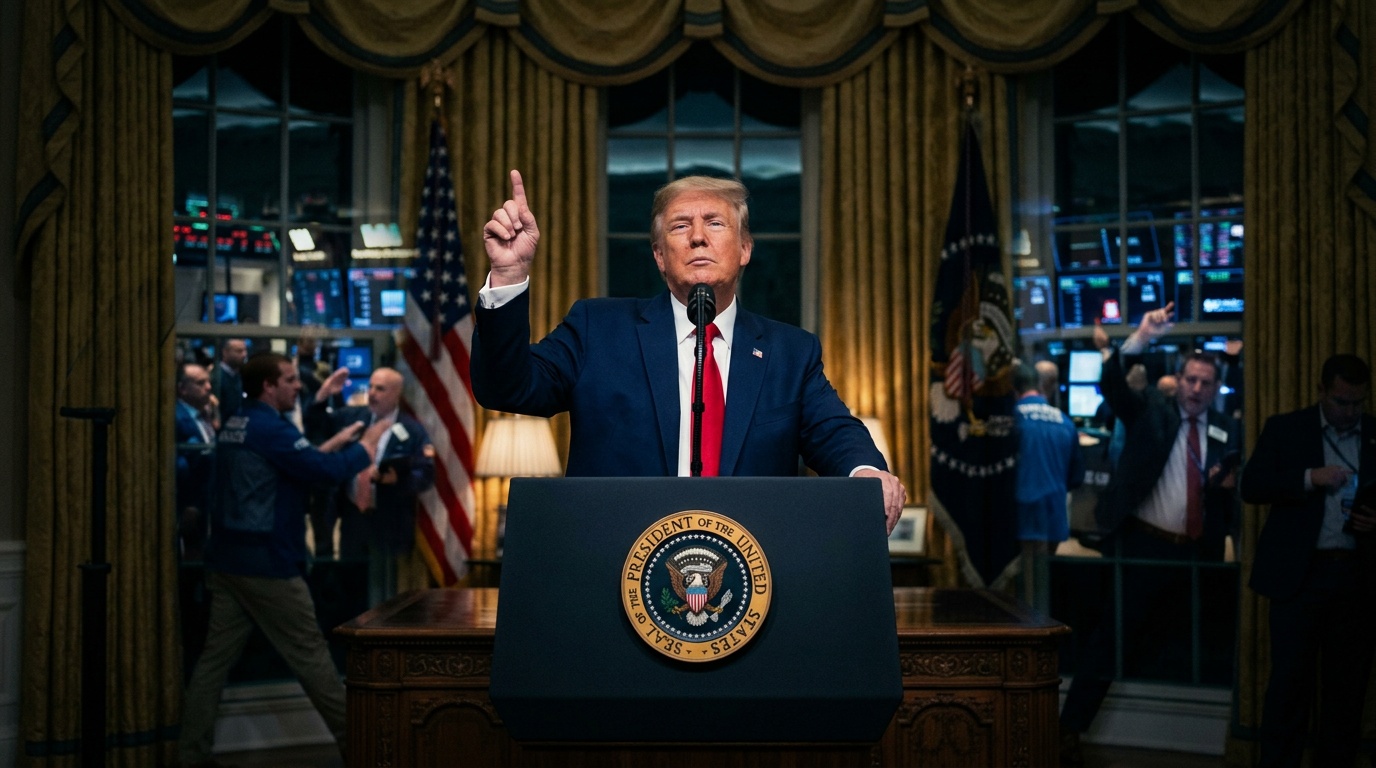
Here's a wild situation: the President of the United States is reportedly thinking about declaring the war with Iran over, even as the Pentagon is quietly preparing for another year of troop deployments in the region. It's a classic case of mixed signals, and it's leaving everyone from service members to political strategists scratching their heads.
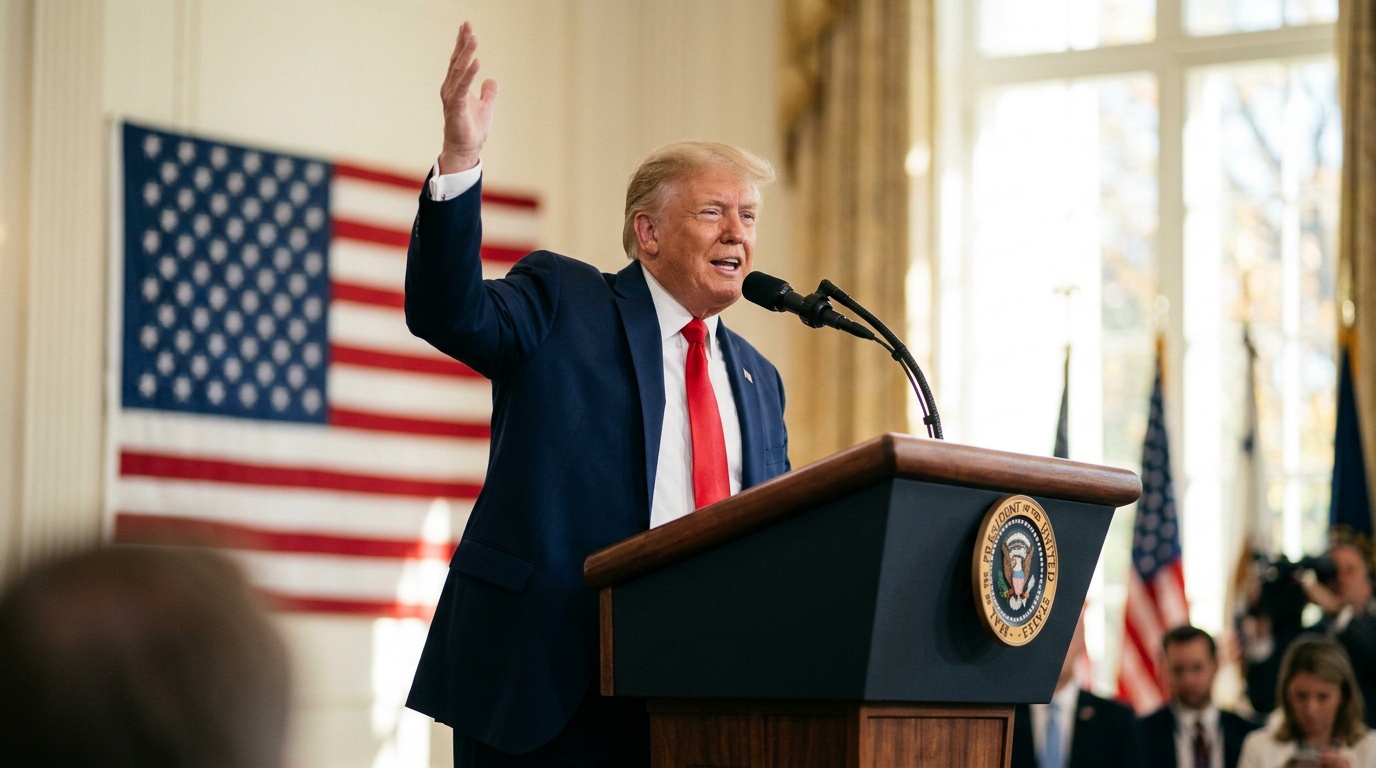
According to a Wall Street Journal report on Wednesday, President Donald Trump is privately considering calling an end to the Iran war. His theory? Continued economic pressure might force Tehran to dismantle its nuclear program, or perhaps even lead to the regime's collapse. His aides have warned him about the political fallout of escalating the war, but Trump reportedly isn't swayed by electoral concerns. He's made up his mind, it seems, and he's sticking to it.
But here's the twist: the U.S. military still has about 50,000 troops in the region, ready to launch larger offensive attacks if needed. Defense Secretary Pete Hegseth, who once promised a swift resolution, is now quietly extending deployments. The Pentagon could keep elements of the Army's 82nd Airborne Division in the Middle East into 2027, according to a letter to military families cited by the WSJ. So, while the president talks about ending the war, the military is gearing up for a longer stay.
The strain is real. With 19 warships, air-defense units, fighter squadrons, and paratroopers spread across the region, service members and their families are feeling the pinch. Experts told the WSJ that the continuous deployment is creating a maintenance backlog that could take years to sort out. It's a logistical nightmare, and it's only getting worse.
The White House didn't immediately respond to requests for comment, but the situation on the ground is anything but calm.
Iran Strikes Kuwait as Tensions Rise
On Thursday, Iran launched missile and drone attacks on Kuwait, just a day after Trump said renewed hostilities in the Middle East wouldn't last "too long." Speaking to reporters on Wednesday, Trump said, "I don't think it will [war] be very much longer … I don't know how much more they [Iran] can take." But he also added that the U.S. military is ready to strike Iran "any time we want," and claimed Washington has extensive visibility into Iran's activities. So, a mix of optimism and saber-rattling, as usual.
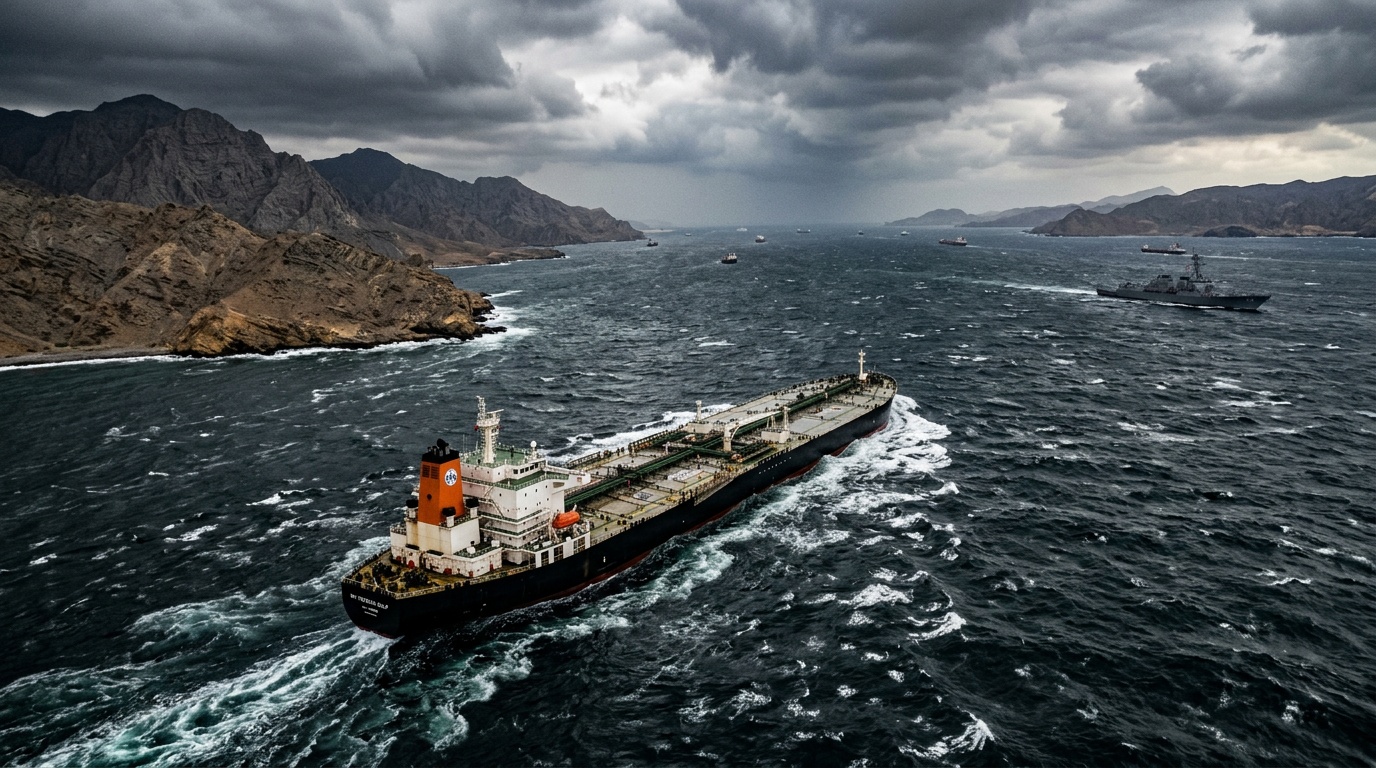
Trump has reportedly approved a "tanker for tanker" policy against Iran, with U.S. forces striking two Iranian government oil tankers amid escalating tensions around the Strait of Hormuz. The U.S. has also reportedly hit about 100 targets in total. Iran, unsurprisingly, condemned the attacks and vowed a firm response.
Meanwhile, Reuters reports that senior Trump administration officials, including Vice President JD Vance and Secretary of State Marco Rubio, are pushing to keep the war from escalating ahead of the November midterm elections. They're worried that the increasingly unpopular conflict could hurt Republicans at the polls. So, while Trump says he doesn't care about electoral consequences, his team clearly does.
Iran Signals Openness to Peace Talks Amid Economic Strain
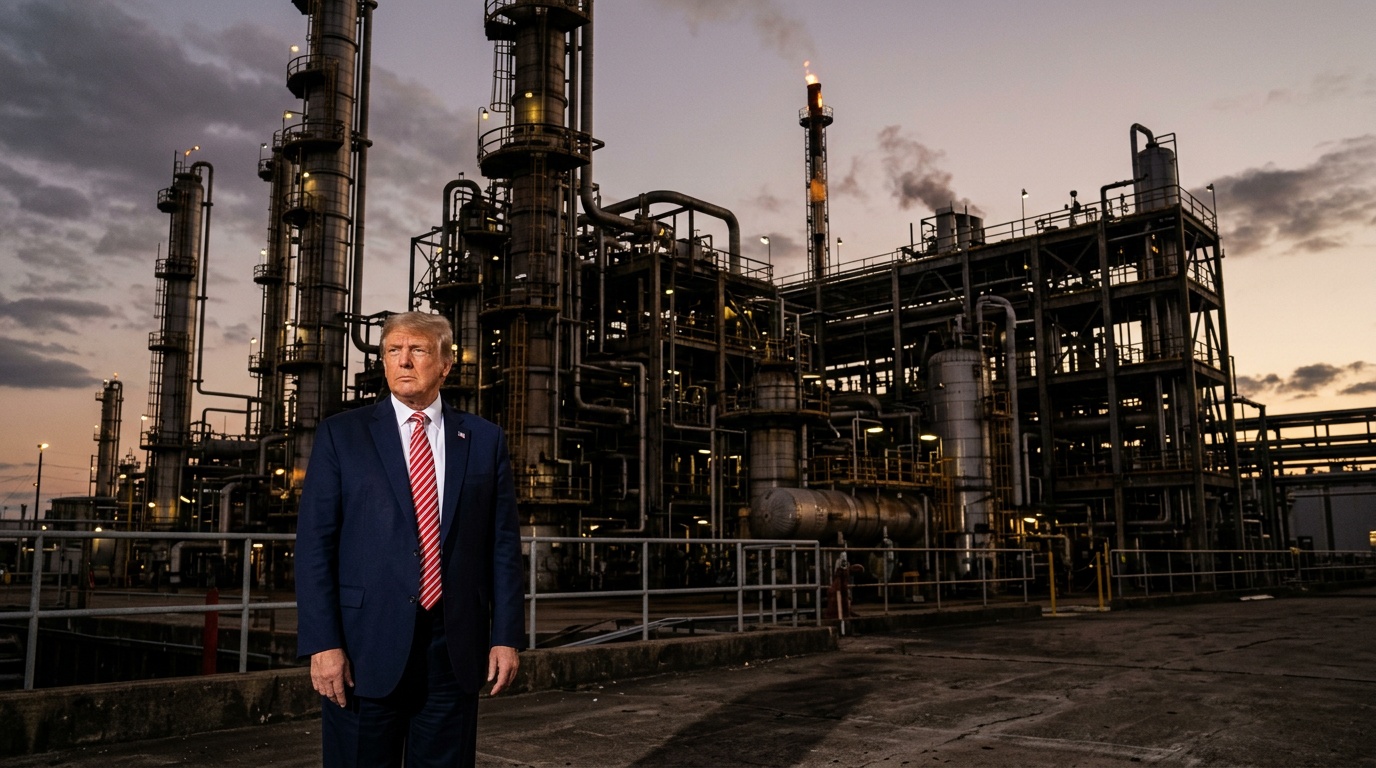
On the other side, Iranian President Masoud Pezeshkian is singing a different tune. He's acknowledged that U.S. sanctions and a naval blockade are wreaking havoc on Iran's economy. Trade has fallen an estimated 25%-35%, and fuel imports have been disrupted, causing shortages and long lines at gas stations. This is happening despite Iran being a major oil producer, which is a bitter irony. Pezeshkian cited inflation, unemployment, and trade restrictions, warning that sanctions are clearly having an impact.
But here's the glimmer of hope: Pezeshkian said Tehran is ready to "immediately reciprocate" if the U.S. honors its commitments under the June interim agreement. He said Iran remains open to restoring the deal and pursuing peace. So, there's a path forward, if both sides are willing to take it.
It's a confusing time, to say the least. The president wants to declare victory and go home, but the military is digging in for a longer stay. Iran is feeling the economic pain and signaling a willingness to talk, but it's also launching new attacks. And with midterms looming, the political calculus is getting even more complicated. One thing's for sure: this story is far from over.
Disclaimer: This content was partially produced with the help of AI tools and was reviewed and published by MarketDash editors.