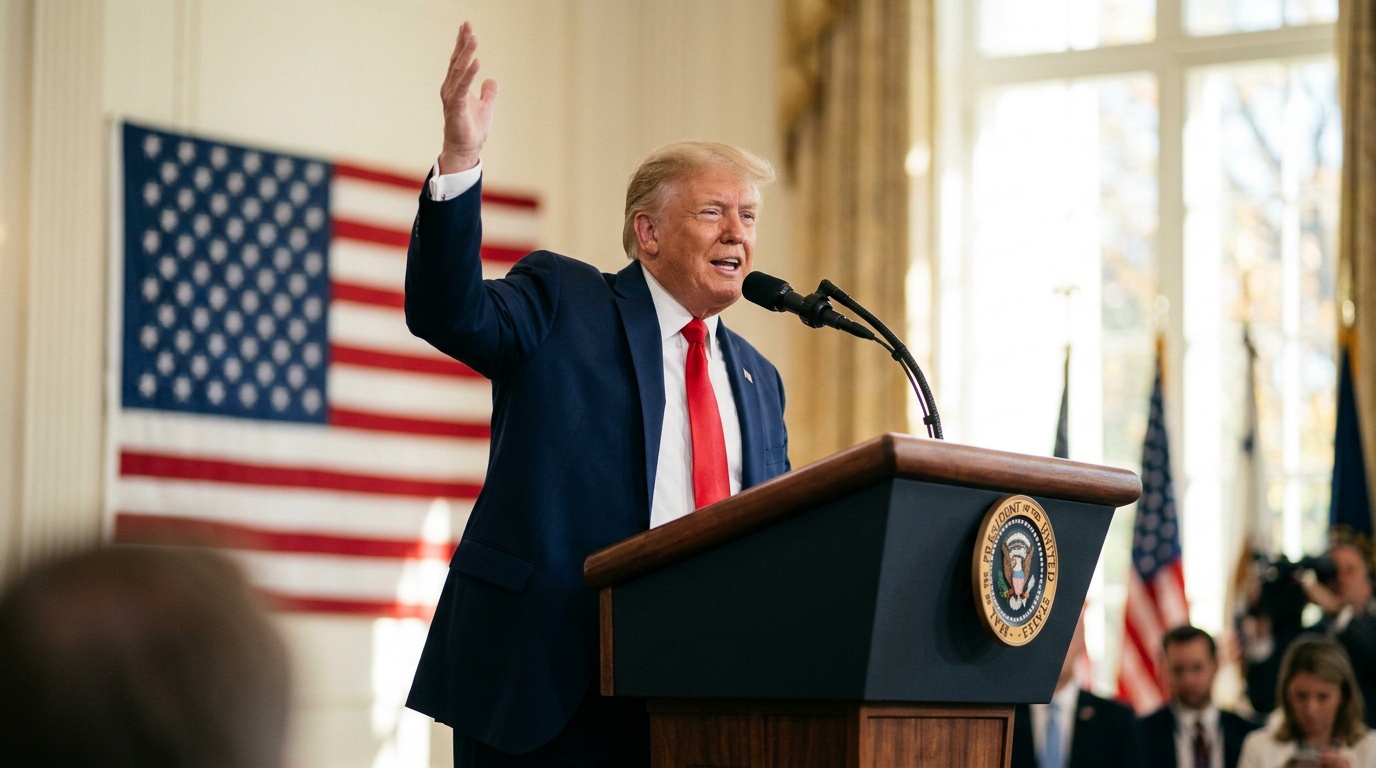
New York City is putting the brakes on AI in the classroom—at least for the youngest learners. Mayor Zohran Kwame Mamdani announced Wednesday a one-year moratorium on student-facing generative AI for students from 2-K through eighth grade. The message? Kids need humans, not chatbots, to learn how to think.
The policy, unveiled alongside Schools Chancellor Kamar Samuels at the Brooklyn STEAM Center, will affect nearly 600,000 public-school students—roughly two-thirds of the city's public-school system. It kicks in during the 2026-27 school year.
"Children need their teachers and human connection in order to learn and in order to grow," Mamdani said during the press conference. He argued that students need to develop skills alongside their peers, build relationships with teachers and "wrestle with tough problems on their own."
AI Meets Education
This move comes as generative AI has been storming into education, with tech companies positioning AI as the ultimate classroom assistant. Earlier this year, Anthropic expanded its education push with Claude for Teachers, offering verified U.S. K-12 educators access to AI tools for lesson planning, classroom materials, assessments and administrative work. Other major tech companies are also developing AI products for schools.
Meanwhile, educators are wrestling with how students actually use AI. Johns Hopkins University professor and economist Steve Hanke recently noted that AI-generated student work is easy to spot when it suddenly leaps beyond a student's usual writing or knowledge level.
The debate has split into two camps: those who think kids should learn AI early to prep for the future workforce, and those who worry that leaning on machines too soon could erode critical thinking. Billionaire entrepreneur Mark Cuban has argued that AI skills will give students an edge in the job market, while educators caution against over-reliance.
Mamdani's policy tries to draw a clearer line between those approaches. "We will embrace new technology, but only when it serves our students," he said. "Kids need to learn to think for themselves."
What The Policy Does
The moratorium applies to student-facing generative AI from 2-K through eighth grade. Companion chatbots are also banned across all grades. But this isn't a total AI ban in NYC schools.
High school students will get twice-yearly AI literacy modules covering risks, misinformation, bias, ethics, and how AI might shape future careers. The city is also launching five limited AI pilots in high schools, all under direct teacher supervision. Each pilot is capped at five classes per school, with defined learning goals and time limits on tool usage. Notably, none of the pilots involve chatbots like ChatGPT or Claude.
The city is also pulling the plug on AI features in more than 38 previously allowed education programs that don't meet its new safety and oversight standards.
Teachers, though, can still use AI for instructional planning and operational tasks, as long as they follow NYC Public Schools' safety standards. Exceptions apply to assistive technologies for students with disabilities, multilingual learners, and those in career-readiness programs.
The policy is designed to last one year initially. During the 2026-27 school year, a Technology in Schools Coalition will evaluate the impact of the restrictions and pilots before the city decides what comes next. Mamdani said the decision will be driven by evidence and feedback, not by what's profitable for tech companies. "If it doesn't help our students learn and grow, we will not use that product," he said.
Disclaimer: This content was produced with the help of AI tools and was reviewed and published by MarketDash editors.