Treasury Secretary Scott Bessent has a theory about why energy prices are spiking, and it involves Ukraine taking aim at Russian oil infrastructure. But not everyone is buying it.
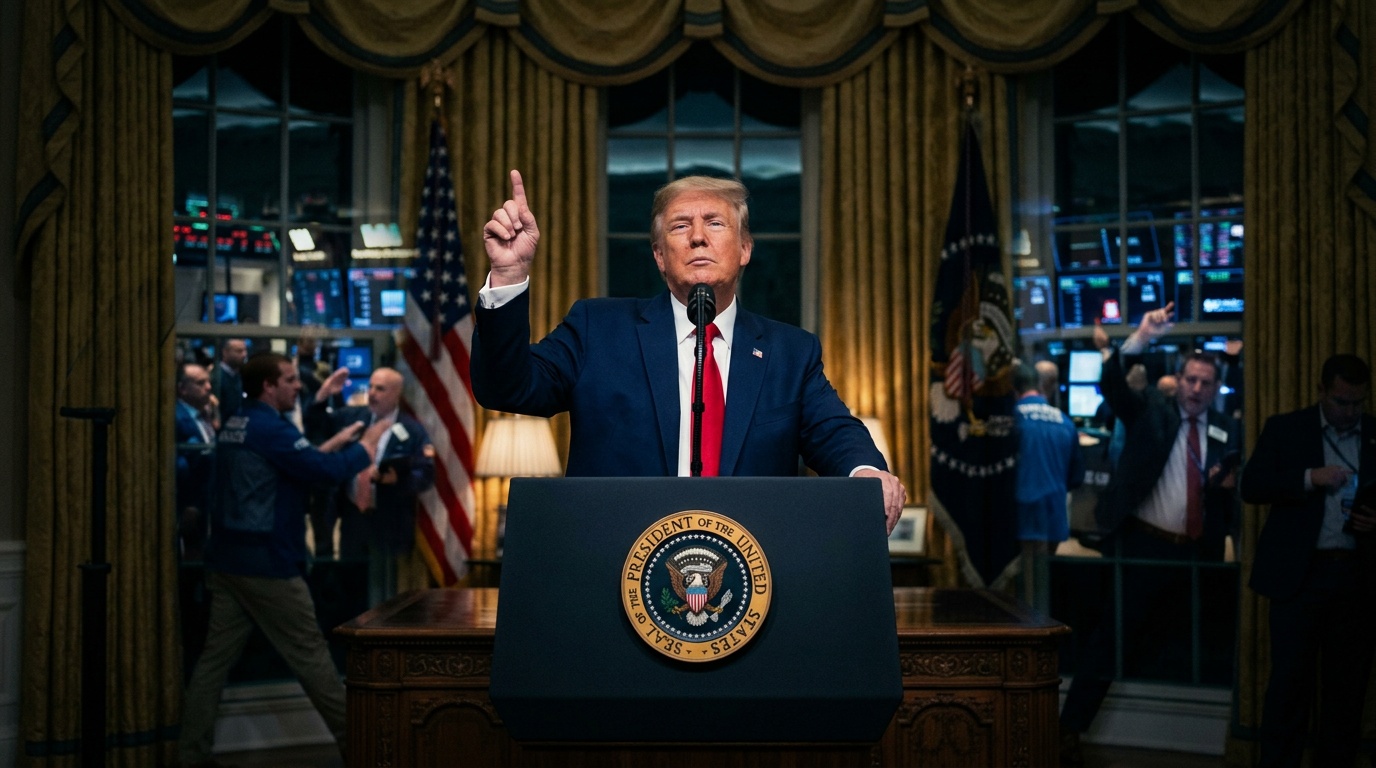
In an interview on Fox & Friends Wednesday, Bessent laid out his case: "We are going through an energy shock right now due to both the war in Ukraine, because Ukraine has decided that they want to blow up Russian energy assets and refined properties, so that is creating upward price pressure on a global basis, and the conflict in Iran."
It's true that Ukraine has stepped up drone strikes on Russian refineries. Reuters reported this week that Moscow cut its 2026 oil-output forecast to 9.88 million barrels per day, a 17-year low. Those attacks have also contributed to gasoline shortages and forced Russia to restrict fuel exports.
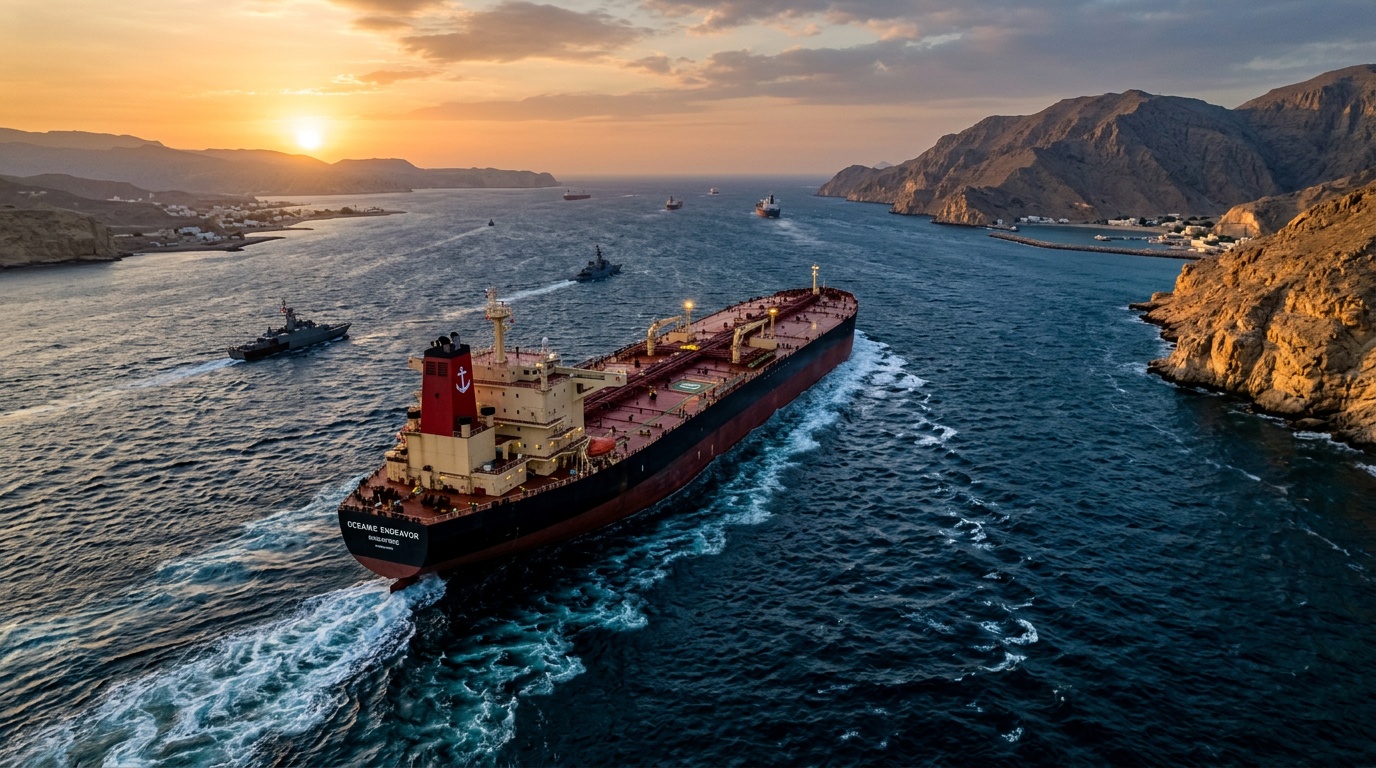
But the bigger immediate threat to global oil supplies is the Iran conflict. Brent crude traded near $95 a barrel Thursday after renewed U.S.-Iran strikes. Only four vessels crossed the Strait of Hormuz, compared with a 10-day average of 13. Before the conflict, that waterway handled roughly one-fifth of global oil shipments.
The squeeze is hitting U.S. consumers. Gasoline inventories fell 1.2 million barrels last week, and average pump prices stayed above $4 a gallon throughout August, a record for the month. Bessent acknowledged prices are "too high" but said "overall, prices are coming down, core inflation is very under control." July CPI rose 3.4% year over year, while core inflation was 2.5%, according to the Bureau of Labor Statistics.
Bessent's remarks drew pushback from Ukrainian official Anton Gerashchenko, who argued the Iran war has affected energy markets "significantly" more than Kyiv's strikes on Russia's war-making capacity.
The comments come as Bessent escalates Washington's economic campaign against Tehran. He recently said Iran's economy could collapse "within weeks or months" and argued the Strait of Hormuz could become a "worthless piece of water" within two years as new pipelines bypass it.
"We have to de-risk everywhere in the world," Bessent said, accusing Tehran of using Hormuz as a "choke point" for other countries even if it is not one for the United States.