Lam Research (LRCX) is having a rough Tuesday afternoon. The semiconductor equipment maker is getting hit from multiple angles: a sell-side price target cut, an insider sale, and a broader market that's suddenly very nervous about high-flying tech names.
Let's break down what's weighing on the stock.
UBS Trims Target, Insider Sells
First, UBS lowered its price target on Lam Research to $425 from $435, though it kept a Buy rating on the shares. That's a modest trim, but it adds to the negative sentiment.
Then there's the insider transaction. An SEC Form 4 filing revealed that Chief Legal Officer Ava Harter sold 5,000 shares of common stock at an average price of $302.46 per share on Aug. 31. The $1.51 million sale was executed under a pre-arranged Rule 10b5-1 trading plan adopted in April 2026. So it's not necessarily a bearish signal, but it doesn't help the mood.
Rising Yields and Macro Volatility
The bigger story might be the macro backdrop. Bond markets surged on Tuesday, pushing the 10-year Treasury yield up to 4.8%, its highest level since January 2025. The 30-year yield hit 5.25%. This rate spike is happening despite the U.S. Treasury Department's August move to double its long-dated bond buybacks. Investors are still digesting sticky inflation and an expanding federal deficit, with total U.S. debt now exceeding $40 trillion.
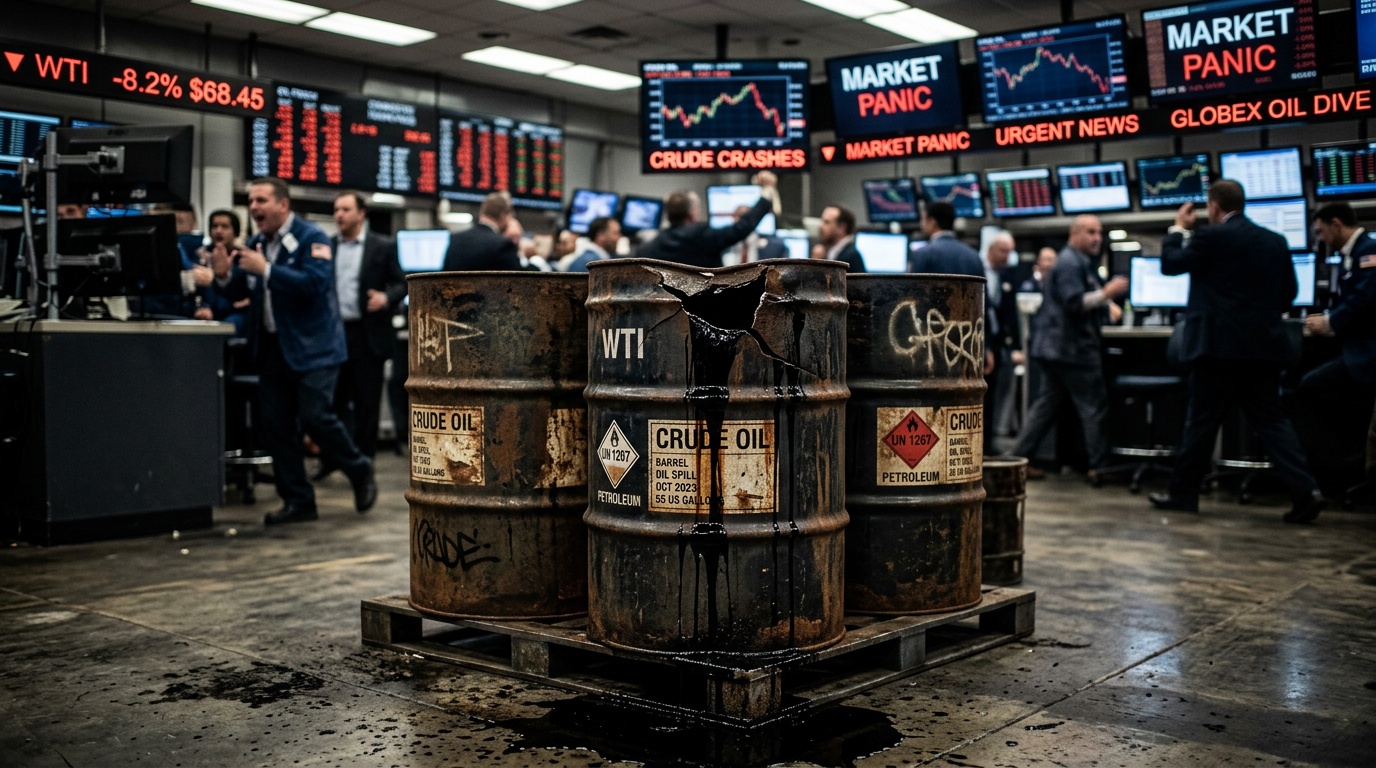
Add in a spike in crude oil prices from renewed Middle East geopolitical tensions, and you've got a recipe for higher discount rates. That's bad news for capital-intensive growth stocks like Lam Research, whose valuations are sensitive to rate changes.
LRCX Shares Drop
At the time of publication on Tuesday, Lam Research shares were down 3.95% at $289.57, according to market data. The stock is feeling the pressure from all sides, and it's a reminder that even solid companies can get caught in the crosswinds of macro forces.
For investors, the key takeaway is that Lam Research's fundamentals haven't changed overnight, but the market's mood has. Whether this is a buying opportunity or a warning sign depends on your view of rates and geopolitical risk.