For decades, the memory chip business has been a rollercoaster. Prices soar, companies build factories like crazy, supply floods the market, prices crash, and the cycle starts all over again. But Micron Technology, Inc. (NASDAQ:MU) thinks the ride is finally over, and the reason is artificial intelligence.
CEO Sanjay Mehrotra says memory has officially graduated from being a commodity to becoming what he calls the "strategic infrastructure of the AI era." And he's not just talking metaphorically. Right now, data center clients are asking for 50% more memory than Micron can actually make.
To turn this temporary imbalance into a lasting business model, Micron is pouring money into U.S. manufacturing and locking customers into binding multi-year agreements. The bet is that AI's insatiable appetite for memory isn't a bubble, but a fundamental shift in how the world computes.
AI Changes Everything (Including Memory Demand)
Mehrotra made the case on CNBC's "Mad Money" with Jim Cramer, explaining that AI systems are fundamentally different from traditional computing. They need more memory, faster memory, and memory that sips power rather than guzzling it.
"Today there is no AI without memory. AI systems need more memory. They need higher performance memory. They need lower power memory," Mehrotra said.
And this isn't just about data centers. Mehrotra sees demand spreading to autonomous vehicles, robotics, and AI-enabled consumer gadgets. In his view, memory is no longer a component you buy on price; it's the foundation of the entire AI stack.
Building for the Future in Idaho
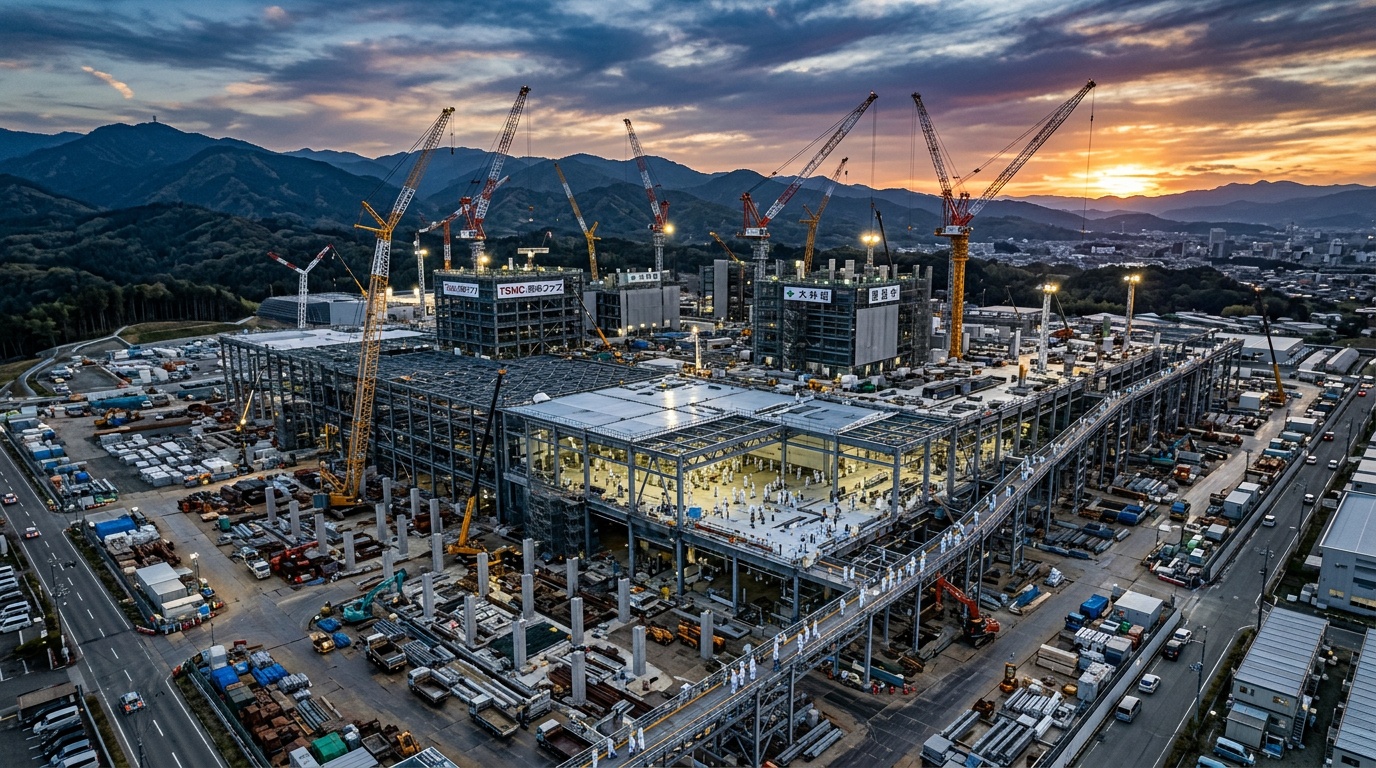
Micron is putting its money where its mouth is. The company plans to invest $250 billion in U.S. manufacturing and research. The centerpiece is a massive development in Boise, Idaho, which will eventually house two semiconductor fabrication plants. The first one is expected to start producing wafers in mid-2027.
The scale of this investment reflects Mehrotra's conviction that AI demand is durable, not cyclical. He says customers across all end markets would snap up everything Micron can make, and data center customers specifically are seeking roughly 50% more supply than the company can currently commit to.
There's also a shift in how customers work with Micron. Instead of treating memory as a commodity bought on price, they're bringing Micron into the design process early, optimizing memory alongside processors and complete systems. That's a much stickier relationship than the old transactional model.
Locking In Demand with Long-Term Deals
Micron isn't just hoping for the best. During its June earnings call, the company announced five-year strategic supply agreements with 16 customers. Mehrotra says more agreements have been signed since then.
These commitments give Micron a clearer picture of future demand and reduce its exposure to the short-term swings that have historically defined the memory market. It's a way to smooth out the boom-bust cycle that has plagued the industry for years.
Analyst Consensus & Recent Actions: Wall Street is on board. The stock carries a Buy rating with an average price forecast of $1525.00. Recent analyst moves include:
- New Street Research: Upgraded to Buy (Forecast $1250.00) (Aug. 14)
- Citigroup: Buy (Lowers Forecast to $1150.00) (Aug. 7)
- Keybanc: Overweight (Raises Forecast to $1750.00) (July 14)
ETF Exposure: A Double-Edged Sword
Micron's weight in major semiconductor ETFs means its stock moves can have outsized effects on those funds, and vice versa. Here's where MU stands:
- iShares Semiconductor ETF (NASDAQ:SOXX): 7.98% Weight
- Invesco PHLX Semiconductor ETF (NASDAQ:SOXQ): 8.91% Weight
- State Street SPDR NYSE Technology ETF (NYSE:XNTK): 8.14% Weight
Significance: Because MU carries such a heavy weight in these funds, any significant inflows or outflows for these ETFs will likely force automatic buying or selling of the stock.
Price Action
Micron shares were up 0.58% at $979.94 during premarket trading on Friday, according to market data.