Rep. Jim Jordan (R-Ohio) says the U.S. economy is heading in a "pretty good direction," but he's not blind to the fact that many families are still feeling the pinch. In a Sunday appearance on Fox News' "Sunday Morning Futures," Jordan defended the Trump administration's economic record while acknowledging that higher costs remain a heavy burden for middle-class and working-class households.
"We said we would cut taxes, we did that," Jordan said. "The economy is moving in a pretty good direction, but I understand there are costs out there that are tough on middle-class and working-class families."
Jordan said Republicans are working on the affordability issue, but he argued that voters will also weigh what he described as the Democratic Party's positions when they head to the polls in November. His comments come as inflation and household expenses continue to dominate the national conversation.
Economist Mark Zandi has previously said that persistent inflation and the resulting higher cost of living are Americans' "number one financial problem," with inflation running above the Federal Reserve's 2% target. He attributes part of the pressure to tariffs and restrictive immigration policies.
Energy Costs Add to the Squeeze
Higher energy costs are making things even tighter. Boston Fed President Susan Collins said she's increasingly hearing from lower- and moderate-income households struggling to make ends meet, noting that energy prices are particularly difficult for some families.
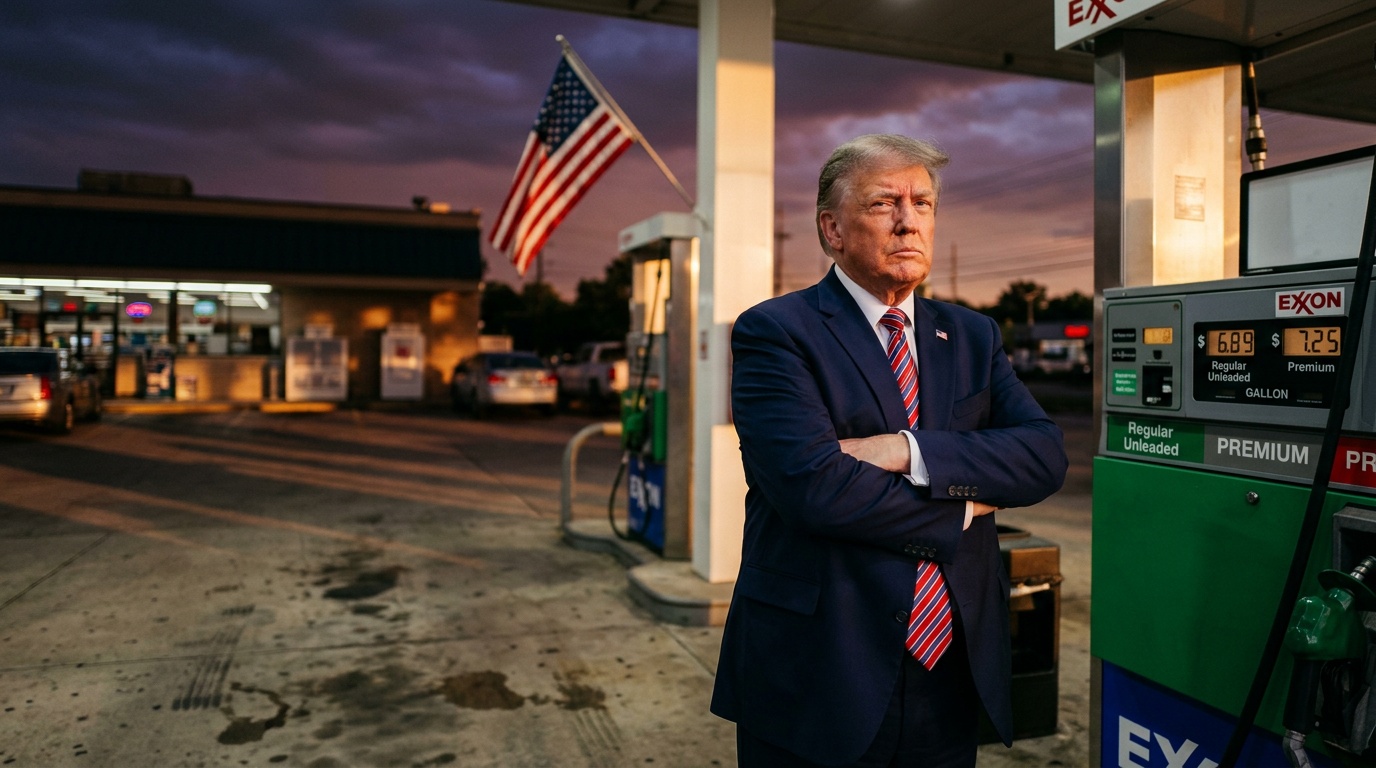
Gasoline prices are a big part of the story. The national average price at the pump remained above $4 a gallon on Sunday at $4.0656. GasBuddy analyst Patrick De Haan estimates Americans are spending $338 million more on gasoline each day than they were a year earlier, which works out to about $2.35 billion more per week.
The strain shows up in everyday spending too. An Urban Institute study found that more than one-quarter of working-age adults who used credit cards to buy groceries either couldn't pay their balance in full or missed the minimum payment. About one in ten used buy now, pay later loans for groceries, and roughly one-third of those borrowers missed a payment.
Affordability Becomes a Midterm Flashpoint
Jordan's remarks come as affordability is shaping up to be a major issue for voters. A Marquette University Law School poll found that 35% of American adults consider the cost of living and inflation the most important issue, ahead of the economy at 15%.
The pain isn't spread evenly. Recent data shows higher-income Americans are holding up better, while middle-income households are stretching every dollar and lower-income consumers are facing even greater financial pressure. Rising delinquencies in auto loans, credit cards, and mortgages are also pointing to growing household strain.
So while the administration touts tax cuts and a improving economy, the reality on the ground is more complicated. For many families, the numbers on their monthly bills are still the most important economic indicator of all.