Sen. Rand Paul (R-Ky.) took a field trip to Fort Knox on Monday, not just to see the shiny stuff but to make a point about the not-so-shiny state of the dollar. The gold, he confirmed, is there. But the real lesson, he argues, is what it tells us about money.
In a post on Monday, Paul noted that Fort Knox holds roughly 147 million ounces of gold, about half of the U.S. gold reserve. Impressive as that sounds, he pivoted to the monetary meaning: since the dollar was severed from gold in 1971, it has lost about 85% of its value. And he didn't stop there.
In another post, he pointed out that the dollar has lost 97% of its purchasing power since the Federal Reserve was created in 1913. To put that in perspective, he said $100 back then would be worth about $3,300 today. His diagnosis? Congress's unchecked spending and the Fed's money printing.
Paul tied this directly to today's affordability crisis, citing $2 trillion annual deficits. He wrote: "A family making $50,000 with two kids that has not received a 25% raise in the last five years is falling behind. This is now often called 'affordability,' but the accurate word is inflation."
His visit comes as Fort Knox's gold holdings face renewed scrutiny. Last month, economist Peter Schiff took aim at Treasury Secretary Scott Bessent for suggesting that old gold and silver certificates remain redeemable for physical metal. Schiff noted that gold certificate redemption ended in 1933 and silver certificate redemption in 1968. He questioned whether Bessent's error casts doubt on assurances that America's gold reserves are intact.
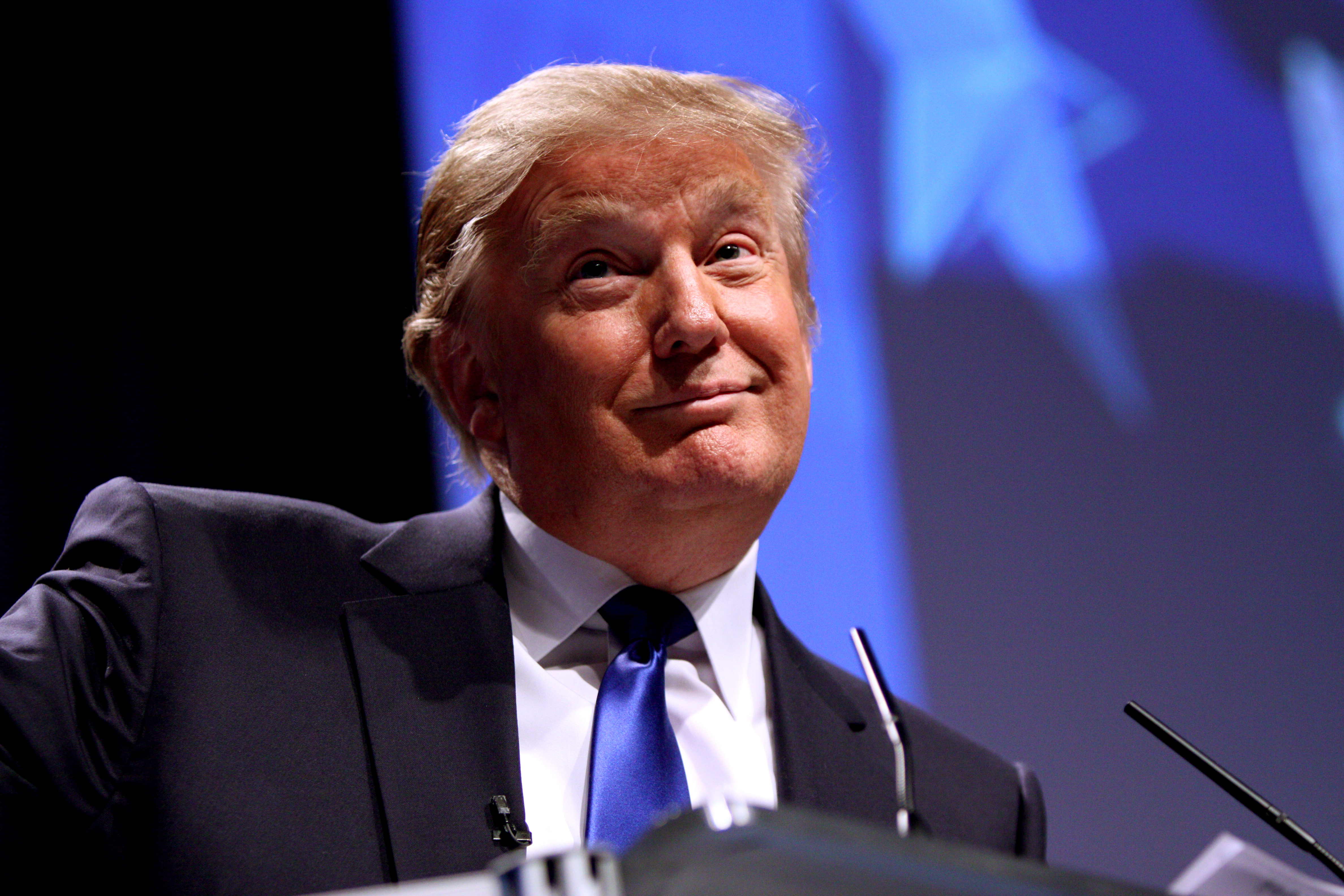
This isn't the first time Fort Knox has been in the spotlight. In 2025, President Donald Trump and billionaire Elon Musk reignited discussions about the gold reserves as prices soared. Musk even floated the idea of a "live video walkthrough" of the facility.
Meanwhile, gold itself is looking at a potential breakout. After consolidating through July, prices surged more than 2% intraday, approaching the key $4,200 resistance level. Repeated defense of $4,000 support and a more favorable post-Fed environment are supporting the bullish case. But Goldman Sachs' Samantha Dart cautions that risks remain.
And then there's the bigger picture. Jamie Dimon, CEO of JPMorgan Chase (JPM), warned that the U.S. could lose the dollar's reserve-currency status if it falls behind in economic and military strength over the next 25 years. Dimon argued that financial dominance is tied to national security, and that a strong economy and military are essential to maintaining U.S. global influence and deterring threats.
So, is the gold at Fort Knox safe? Apparently yes. But the dollar's purchasing power? That's a different story.