Citadel founder and CEO Ken Griffin has a message for Bernie Sanders and New York City Mayor Zohran Mamdani: pick up a history book. Speaking at a Goldman Sachs symposium, audio of which was published by Fortune on Thursday, Griffin took aim at the self-described socialist politicians, arguing that free-market capitalism — not socialism — has been the engine of human progress.
Griffin pointed to China's shift toward open markets as the ultimate example. "It's the greatest success story in the history of humanity," he said, before adding that "whether it's Bernie Sanders, whether it's Mamdani," they should "read a damn history book for once and then tell us how to run our country."
New York's Business Climate Under Fire
Griffin didn't stop at ideology. He zeroed in on New York's business climate, calling the gap between what businesses pay in taxes and what they get in return "breathtaking." He asked, "Where is all this money being wasted?" while noting that Citadel has expanded in Miami and Goldman Sachs has grown its presence in Dallas — both lower-tax, business-friendly locales.
Referring to Mamdani, Griffin was blunt: "I believe Citadel will be a principal player in financial services for far longer than the mayor will be mayor. We intend to be here for decades. And he will be here for a few years." He also revealed he hasn't spoken with the mayor.
The remarks follow earlier tensions. In April, Citadel warned it might reconsider a planned $6 billion redevelopment project in New York after Mamdani used Griffin's Manhattan penthouse in a campaign video promoting a "tax-the-rich" proposal.
Griffin reiterated that Citadel plans to stay in Miami, where it relocated its headquarters after the pandemic and is building a 1.7 million-square-foot office tower.
AI Hype and Taiwan Risks
Griffin also poured cold water on the AI frenzy. Recalling a dinner with CEOs, he said he asked each how AI was transforming their business. "Not one involved AI," he said, adding that AI is "a component of the story," but only "a piece."
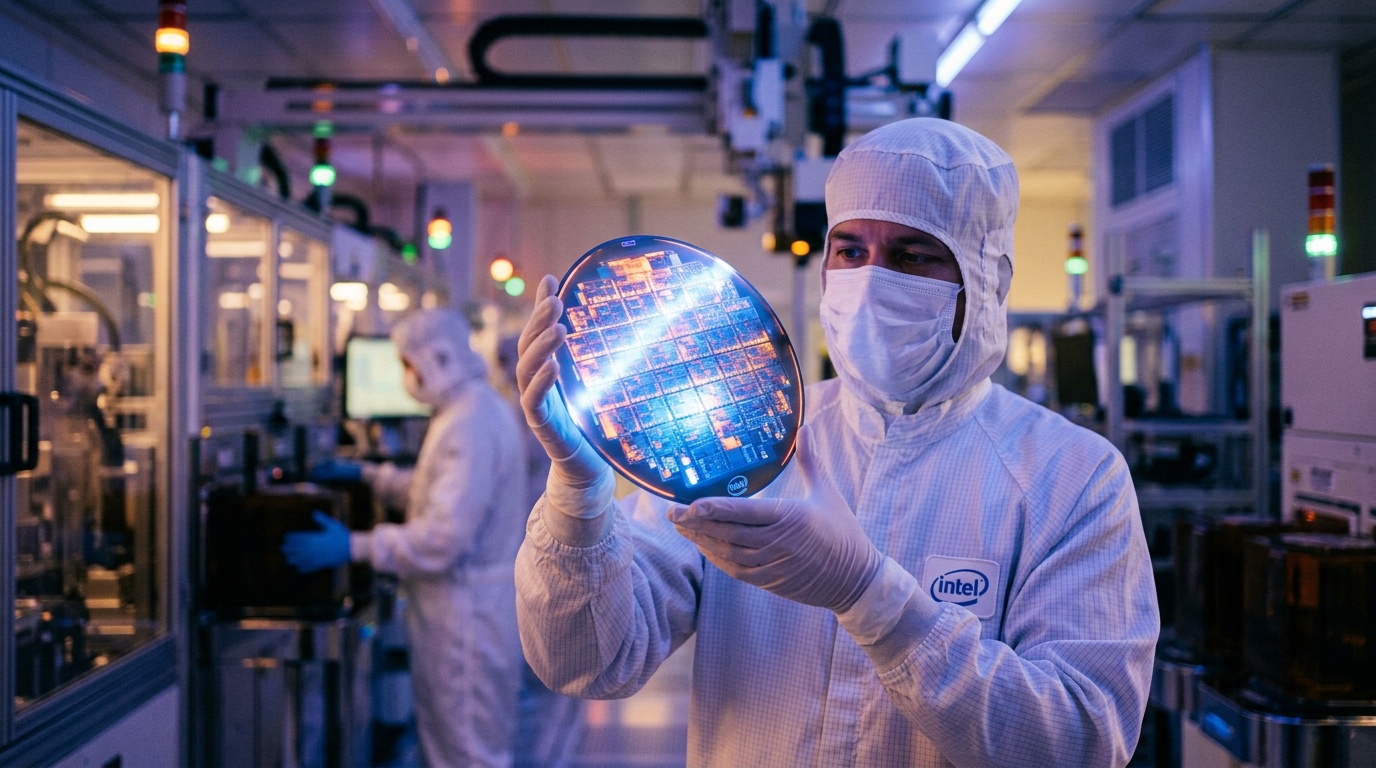
Separately, he warned that a Chinese blockade of Taiwan could push the U.S. economy into a modern "Great Depression" by cutting off access to advanced chips made by Taiwan Semiconductor Manufacturing Co. Ltd. (TSM). He called it one of the biggest strategic risks facing the U.S. economy.