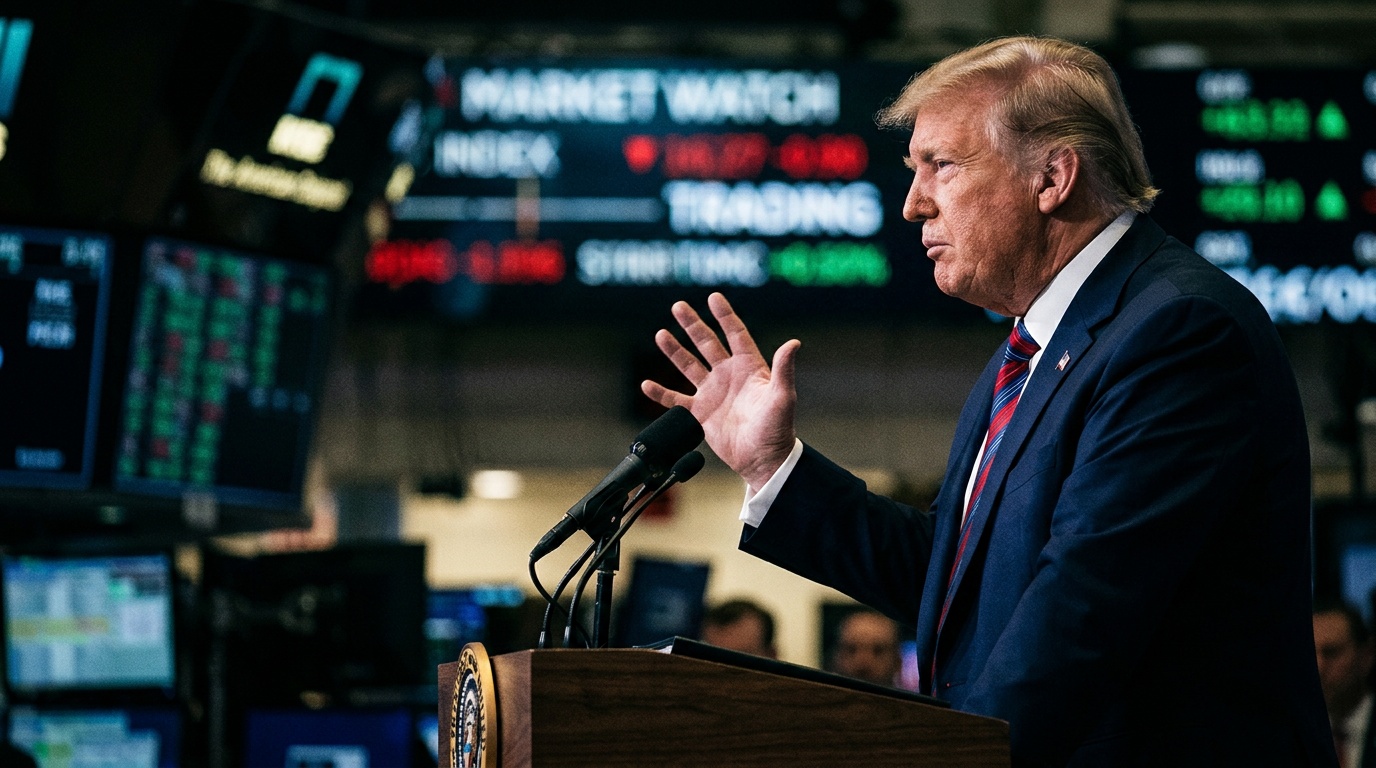
President Donald Trump brought Greenland back into the spotlight at the NATO summit in Ankara, reviving a dispute with Denmark that had gone quiet for months. Speaking alongside NATO Secretary General Mark Rutte, Trump argued that the U.S. made a historic blunder by returning control of the Arctic island to Denmark after World War II.
"We took Greenland and then, stupidly, we gave it back," Trump said. "We shouldn't have given it back to them, because we're the ones that need it. We need it for protection of the world, not just the United States."
Danish Prime Minister Mette Frederiksen quickly pushed back, stating that Denmark's position hasn't changed. "Greenland is, of course, not for sale," she said, adding that Copenhagen is ready to defend "every inch" of NATO territory and expects allies to respect Greenlanders' right to self-determination.
Trump's comments were part of a broader critique of NATO allies, whom he accused of getting a "free ride" on U.S. security spending. He tied the Greenland issue to demands that European allies and Canada equalize their defense contributions with Washington's.
But Greenland's value goes beyond military strategy. The island sits on a treasure trove of critical minerals. The Kvanefjeld deposit alone contains about 1 billion tons of ore with a 1.1% rare-earth concentration, making it one of the world's largest known sources of neodymium and praseodymium — key ingredients for permanent magnets used in everything from electric motors to advanced weapons. The nearby Tanbreez project holds an estimated 5 million tons of rare-earth oxides.
These resources have become increasingly important as Washington looks to reduce dependence on Chinese-controlled supply chains. However, the picture is complicated. Shenghe Resources, a Chinese company, remains the largest shareholder in Kvanefjeld, though Greenland's uranium mining ban has frozen that project. Meanwhile, Critical Metals Corp. (CRML) completed its acquisition of Tanbreez after U.S. lobbying helped prevent a sale to Chinese buyers.
Other companies with exposure to Greenland's mineral wealth include Australia's Energy Transition Minerals, Greenland Mines Ltd. (GRML), and NioCorp Developments Ltd. (NB), which target precious, battery, and critical minerals tied to Western supply chain security.
Earlier this year, the Center for Strategic and International Studies published a report outlining Greenland's potential for the West, but advised that development should happen through coordinated investments and long-term commitments to infrastructure, community engagement, and diplomatic coordination.
For now, Trump's renewed push puts Greenland back on the geopolitical map — and raises questions about how far the U.S. is willing to go to secure the island's resources.