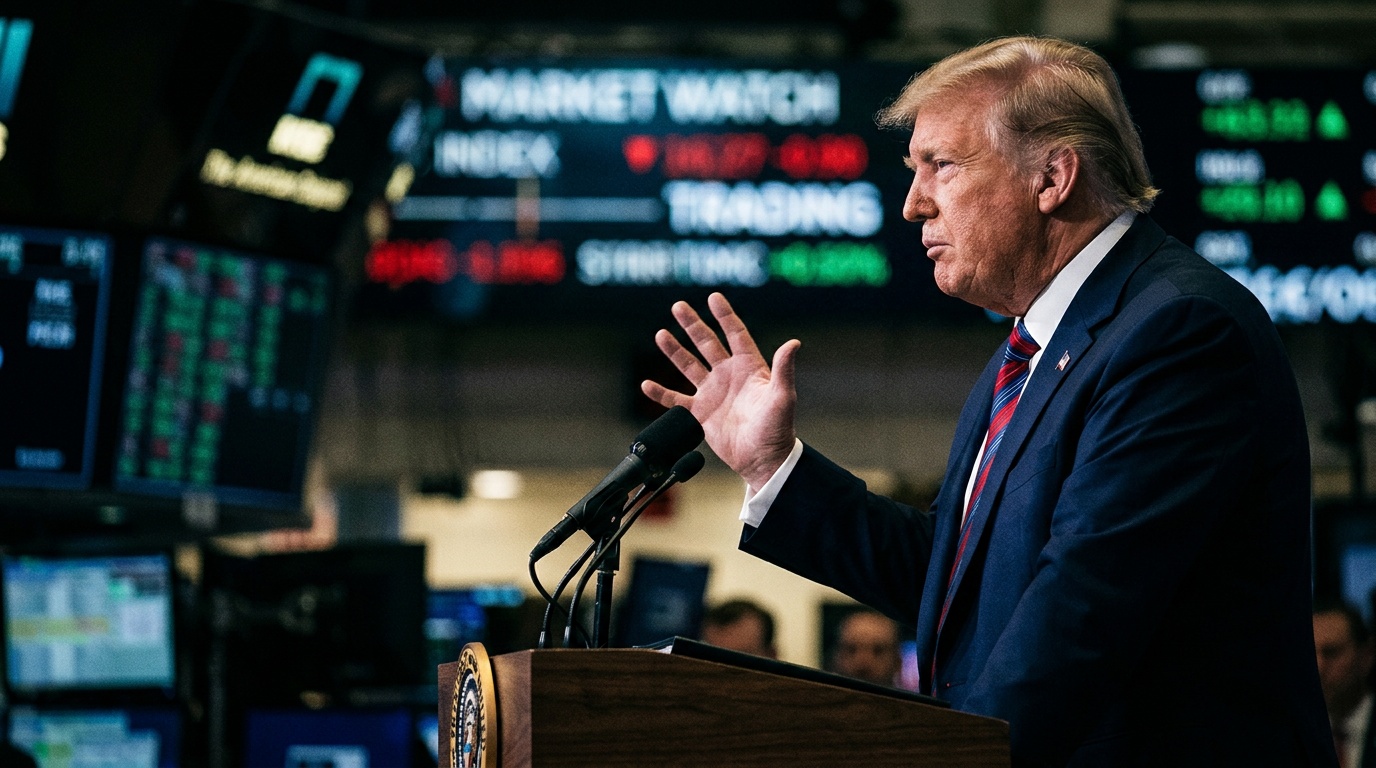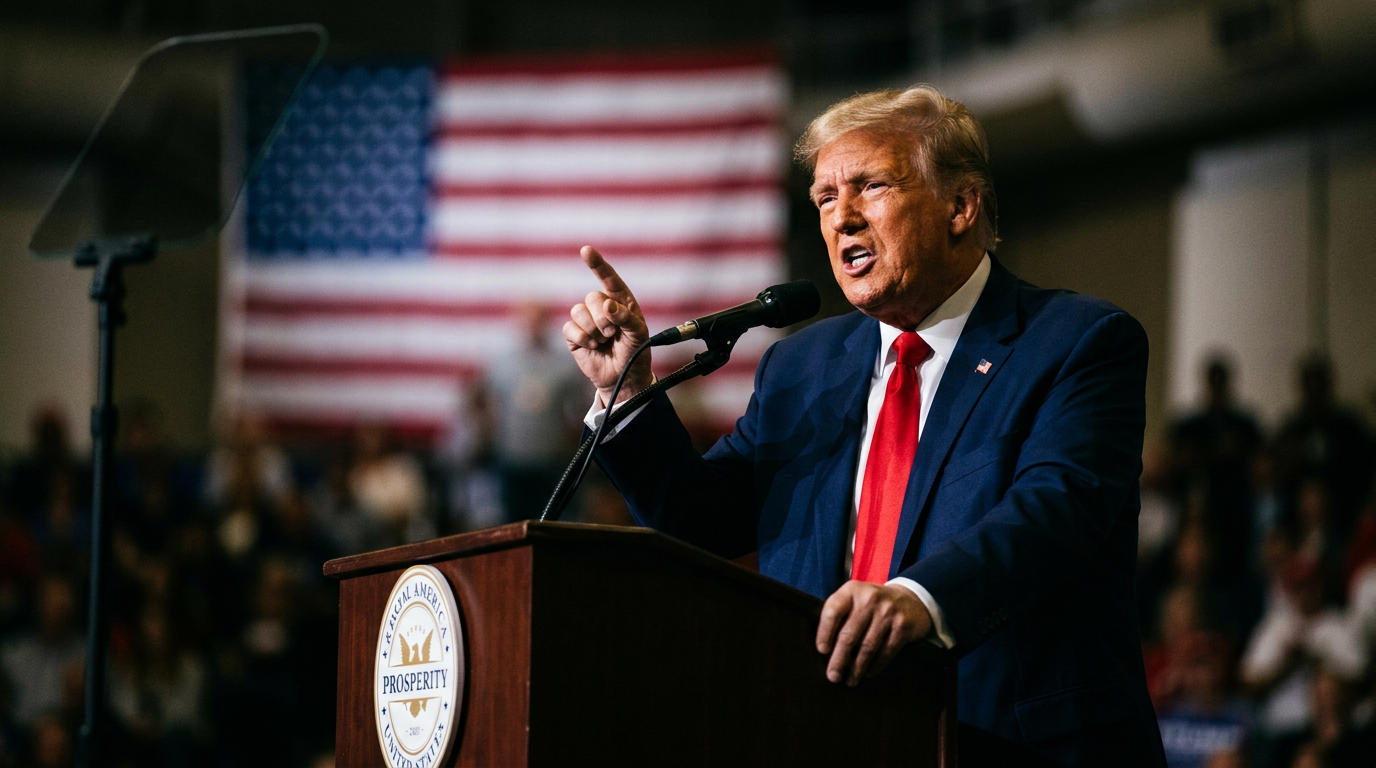
President Donald Trump has a message for the Federal Reserve: stop trying to "kill" the economy with higher interest rates, and let the country grow at 12% or 13% GDP. In an interview with CNBC's Joe Kernen on Thursday, Trump argued that newly appointed Fed Chairman Kevin Warsh should have more leeway to cut rates, and he criticized the current board for being hostile and prone to bad decisions.
Trump pointed out a frustrating pattern: when the economy puts up strong numbers, the stock market often falls. He blamed this on a "horrible derangement syndrome about inflation" and said he wants to go back to the old days where good economic news meant a rising market. "We're not allowed to go up. If we go up, they want to kill it," Trump said. "There's no reason we should stop at 4%. We should be at 12% and 13% GDP." He cited India and Japan as examples of countries with high growth rates, suggesting the U.S. shouldn't limit itself.
This isn't the first time Trump has taken aim at the Fed's rate policy. Earlier in June, he expressed disbelief that Warsh kept interest rates steady—a move Trump said "keeps the country down." The Fed unanimously held the federal funds rate at 3.50%–3.75% in its last meeting, noting that inflation remains above its 2% target, partly due to a spike in global energy prices.
Meanwhile, Treasury Secretary Scott Bessent is pushing a more moderate growth target. He defended the administration's aggressive trade policies and unveiled a blueprint aiming for 3% GDP growth, higher energy production, and a 3% deficit-to-GDP ratio. Bessent said this would reduce debt relative to the economy while neutralizing "structural inflation."
But not everyone is optimistic. Economist Mark Zandi warned that despite 2.1% growth in the first quarter—driven by AI investment and corporate tax cuts—consumer finances are deteriorating. Real disposable income is falling, and the savings rate is historically low. Since consumers account for more than two-thirds of U.S. GDP, Zandi cautioned that weakening household finances pose a significant risk to growth. So while Trump dreams of double-digit expansion, the reality on Main Street may be more fragile than the White House lets on.