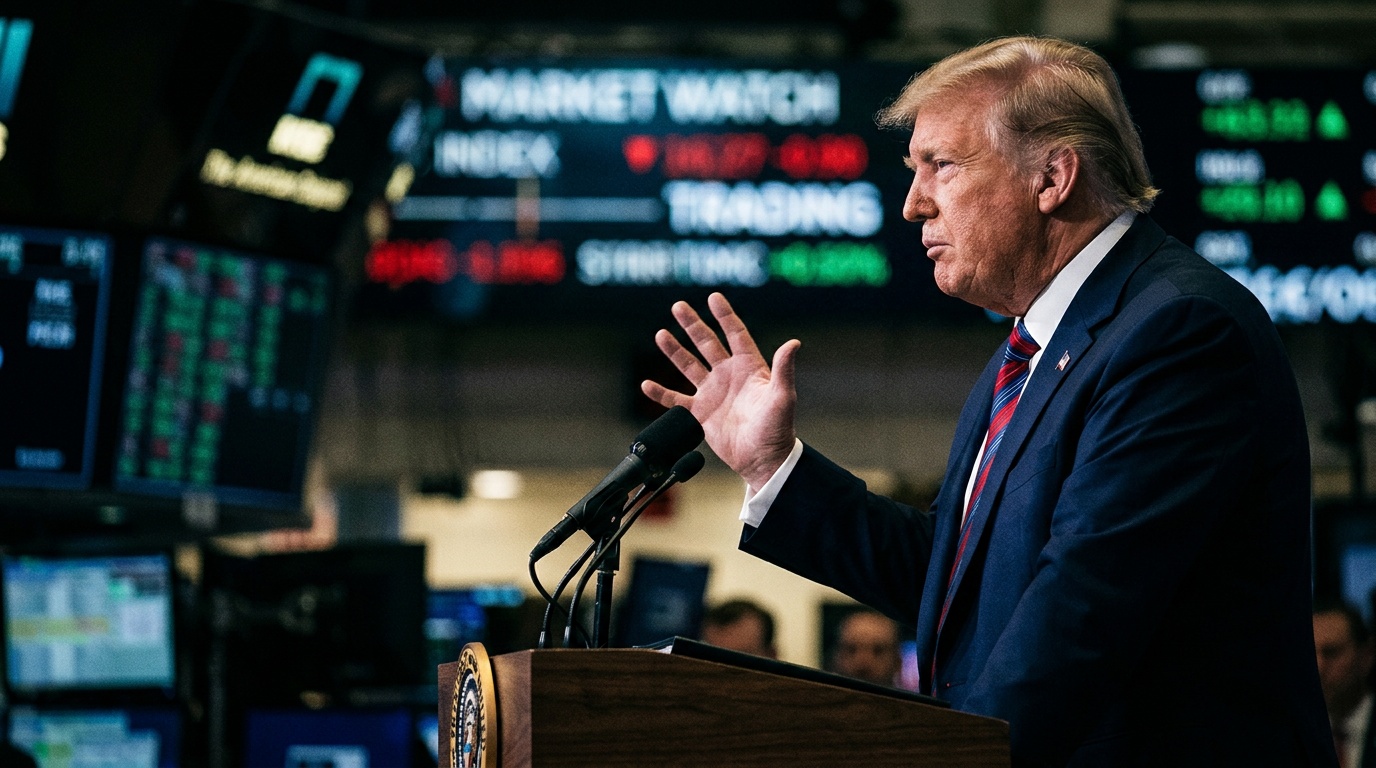
On Monday, President Donald Trump sparked a political firestorm by dismissing a bipartisan housing affordability bill as "so unimportant," drawing sharp rebukes from Democrats who accused him of prioritizing his own agenda over one of Americans' biggest economic worries.
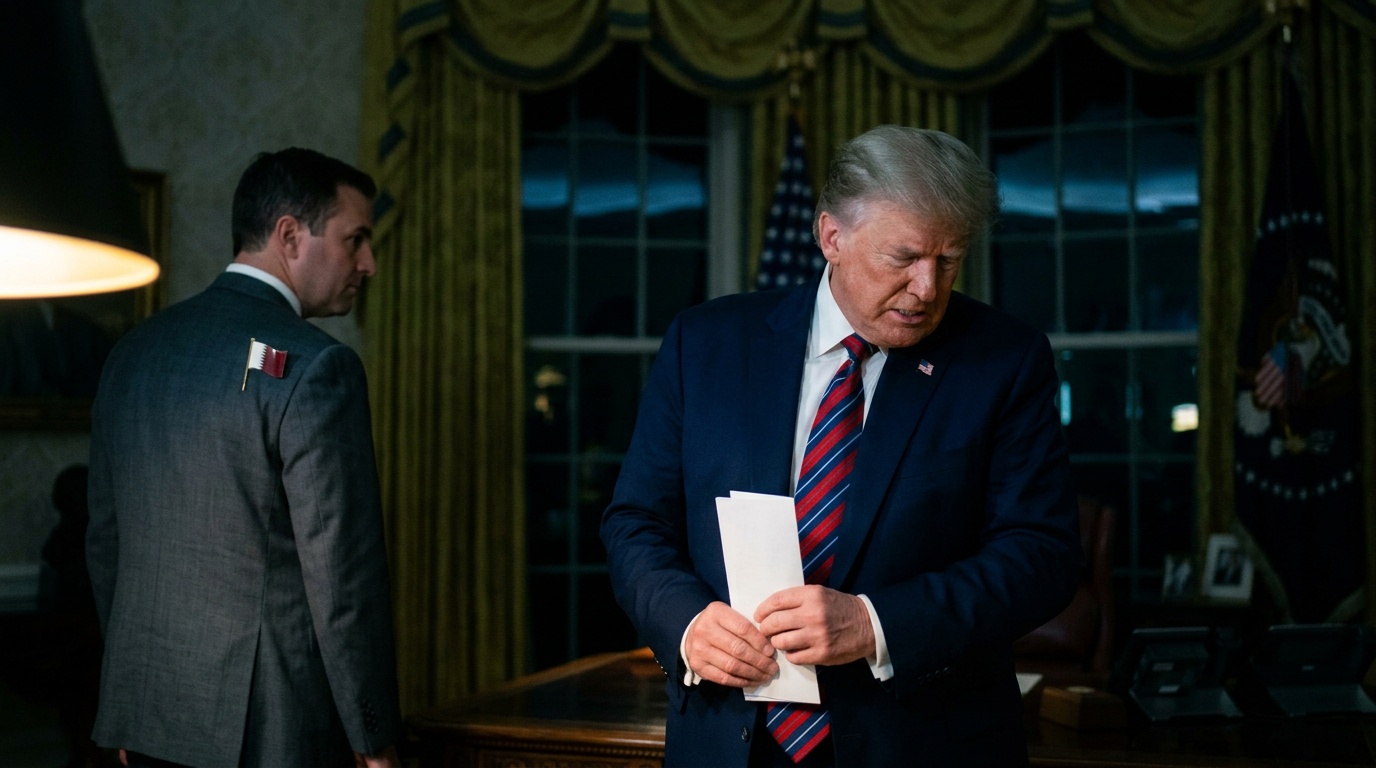
Speaking in the Oval Office, Trump said he hadn't decided whether to sign the 21st Century ROAD to Housing Act — a bipartisan measure designed to increase the nation's housing supply through faster environmental reviews, new grant programs, and fewer restrictions on prefabricated housing. When asked about his plans, Trump replied, "I don't know. I think it's so unimportant compared to the SAVE America Act."
The SAVE America Act would require proof of U.S. citizenship to register to vote and establish a national voter database using state voter registration records. Trump has been pushing congressional Republicans to advance that bill instead.
Former House Speaker Nancy Pelosi (D-Calif.) was quick to respond on X, writing: "The President is willing to cruelly hold the American Dream hostage if it means giving himself more power. As always, when Donald Trump wins, working families lose."
Senator Elizabeth Warren (D-Mass.) also weighed in, posting: "Donald Trump thinks bringing down Americans' housing costs is 'so unimportant.'" Senator Ed Markey (D-Mass.) urged Trump to approve the legislation, calling it "the most important housing affordability legislation passed by Congress in the past three decades" and noting it's "being held hostage on the President's desk."
California Governor Gavin Newsom's press office contrasted Trump's stance with the state's own efforts, highlighting the recently signed $11.25 billion affordable housing bond proposal while criticizing the delay in enacting the federal measure.
The controversy comes after Trump last week canceled a planned signing ceremony for the housing bill as he pushed Republicans to focus on the SAVE America Act instead. House Speaker Mike Johnson (R-La.) said Sunday that the legislation would be transmitted to the White House on Monday.
Under federal law, Trump has 10 days, excluding Sundays, to sign or veto the measure. If he takes no action while Congress remains in session, the bill becomes law without his signature.
The debate unfolds as housing affordability remains a key voter concern alongside inflation. The Consumer Price Index rose 4.2% in May, according to the Bureau of Labor Statistics, adding pressure on lawmakers to address the cost of living.
Photo: Asatur Yesayants on Shutterstock.com