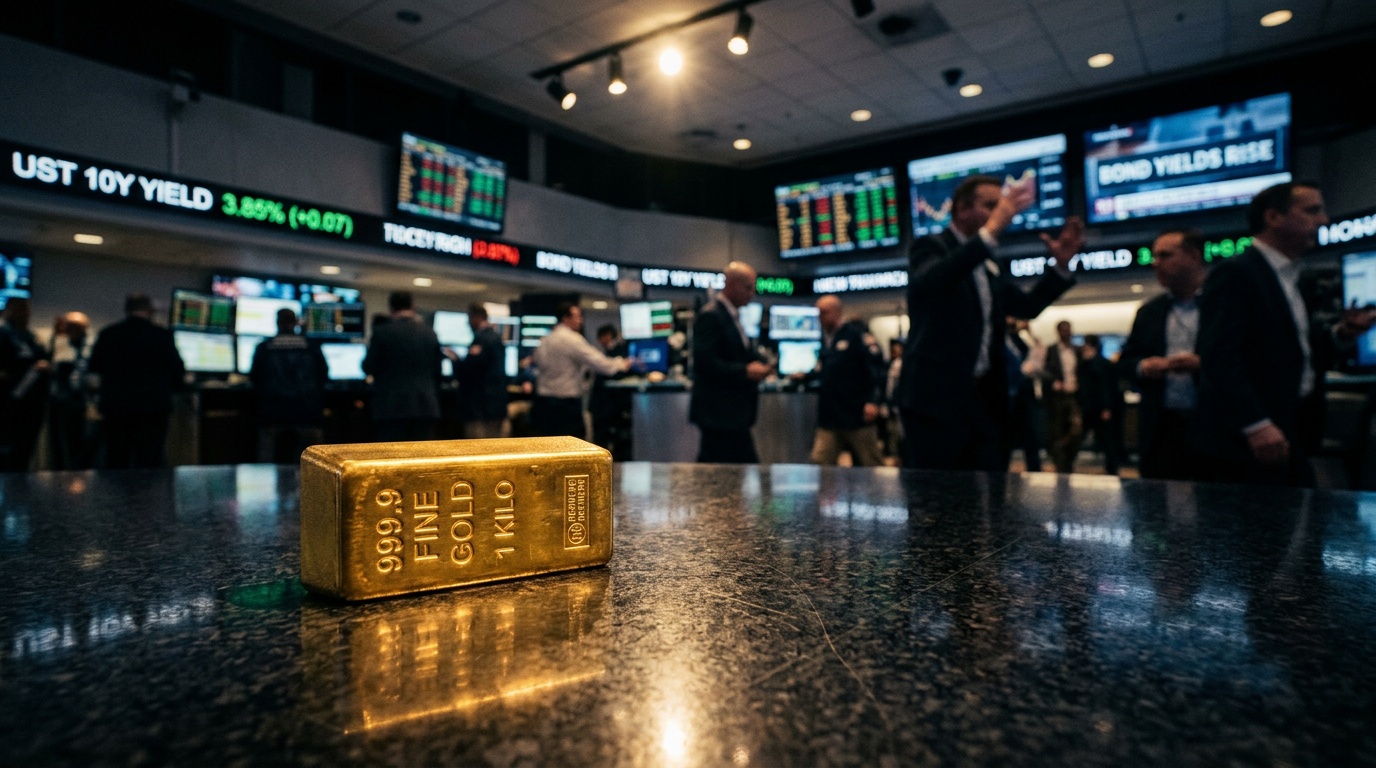
South Korea's stock market had a day for the history books on Tuesday, June 23. The KOSPI index dropped nearly 10% — its steepest fall since March and one of the five worst single-day declines ever. It was bad enough to trigger a market-wide circuit breaker, freezing trading for 20 minutes. For U.S. investors, the pain showed up in the iShares MSCI South Korea ETF (EWY), which fell 12.25% in a single session — a move it's only made a handful of times in 25 years.
But by Wednesday morning, the panic had flipped to relief. The KOSPI opened more than 2% higher, led by the very stocks that had caused the crash. So what happened, and why does it matter for the AI trade?
A Market Held Hostage by Two Stocks
The immediate trigger was weakness on Wall Street, where AI and semiconductor stocks sold off ahead of Micron Technology (MU)'s earnings report this week. But Seoul fell harder than other markets for a structural reason: Samsung Electronics and SK Hynix together account for roughly half the KOSPI's entire market value. When both memory giants dropped more than 12% — Samsung down 12.31%, SK Hynix down 12.47% — the index had nowhere to hide.
Several forces converged. Foreign investors dumped close to 5 trillion won of Korean shares in a single session, while domestic retail buyers stepped in with record purchases. South Korea's financial regulator had recently warned retail traders about heavy use of leverage, with margin debt at an all-time high.
Samsung Announces Buybacks, SK Hynix Plans Nasdaq Debut
After the panic came a violent relief. Samsung shares jumped more than 9%, reclaiming its title as South Korea's most valuable company, after the Yonhap News Agency reported a share buyback program worth about 90 trillion won ($58.61 billion). That's a massive vote of confidence from the company itself.
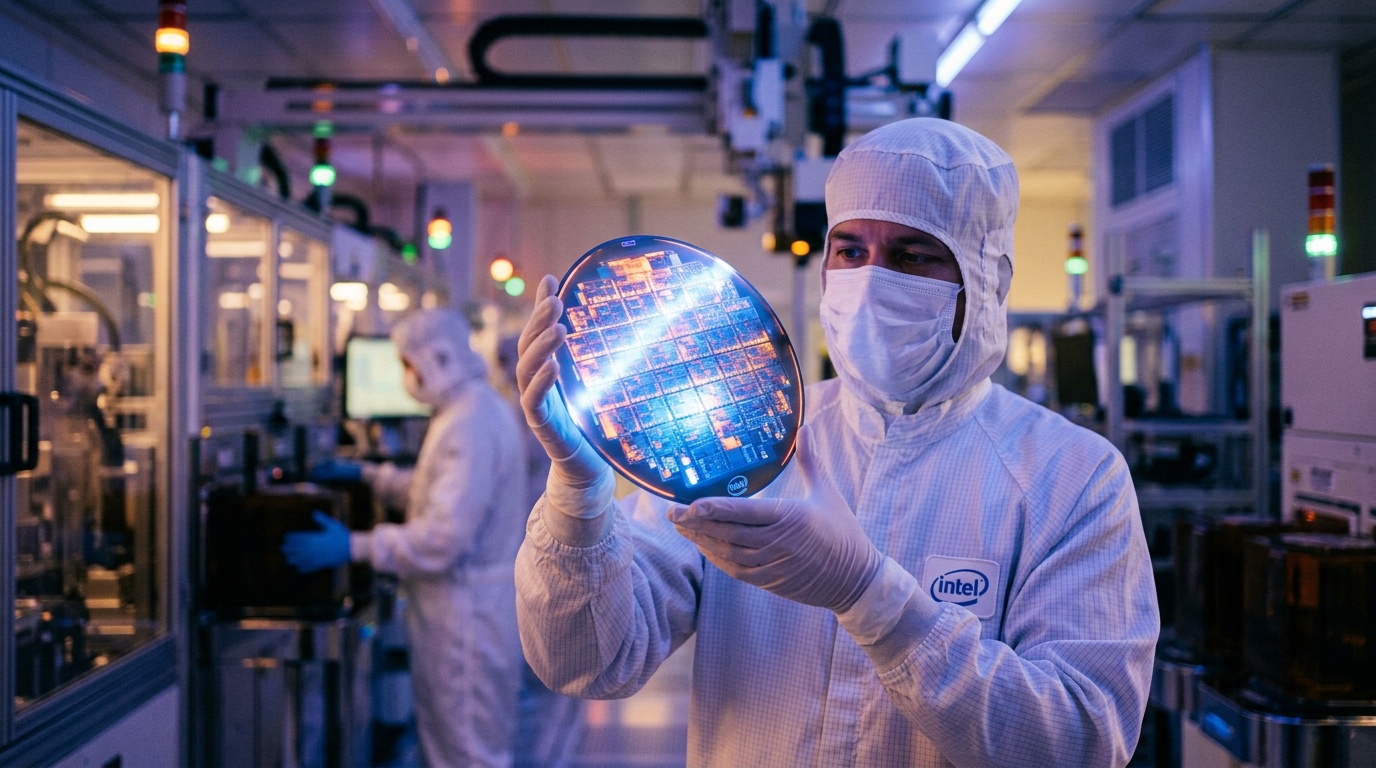
The other half of Korea's memory duopoly is making its own headlines. SK Hynix is seeking to raise roughly $29 billion by selling depositary receipts on the Nasdaq, with trading expected to begin July 10, according to Bloomberg. The move is aimed at funding its expansion in AI memory, putting one of the world's key suppliers of high-bandwidth memory for AI accelerators directly in front of U.S. public-market investors.
Both companies now sit in the trillion-dollar club, with Samsung at roughly $1.45 trillion and SK Hynix at about $1.19 trillion in market capitalization.
What's Next
The bull case on South Korea rests on a memory supercycle. The AI buildout has created a shortage of the chips used to train and run large models, lifting prices and pointing Samsung and SK Hynix toward record profits this year and next, with long-term orders reportedly booked well into 2027.
The bear case is just as clean: memory is the most cyclical corner of technology. Demand and pricing that look bulletproof today can reverse sharply when fresh capacity arrives or AI-infrastructure spending cools. A market that draws nearly half its value from two highly correlated names carries concentration risk that cuts both ways.
The next catalyst is immediate. Micron Technology — the U.S. memory maker and a direct read-through for its Korean rivals — is due to report quarterly results this week. Investors will be watching for confirmation that AI-driven demand remains intact. A strong print could reinforce the supercycle thesis; a cautious outlook could reignite the valuation jitters that sparked Tuesday's rout.
For now, June 23's Black Tuesday looks less like the end of South Korea's AI run and more like a violent reminder that, in the market's most crowded trade, volatility is part of the deal.